
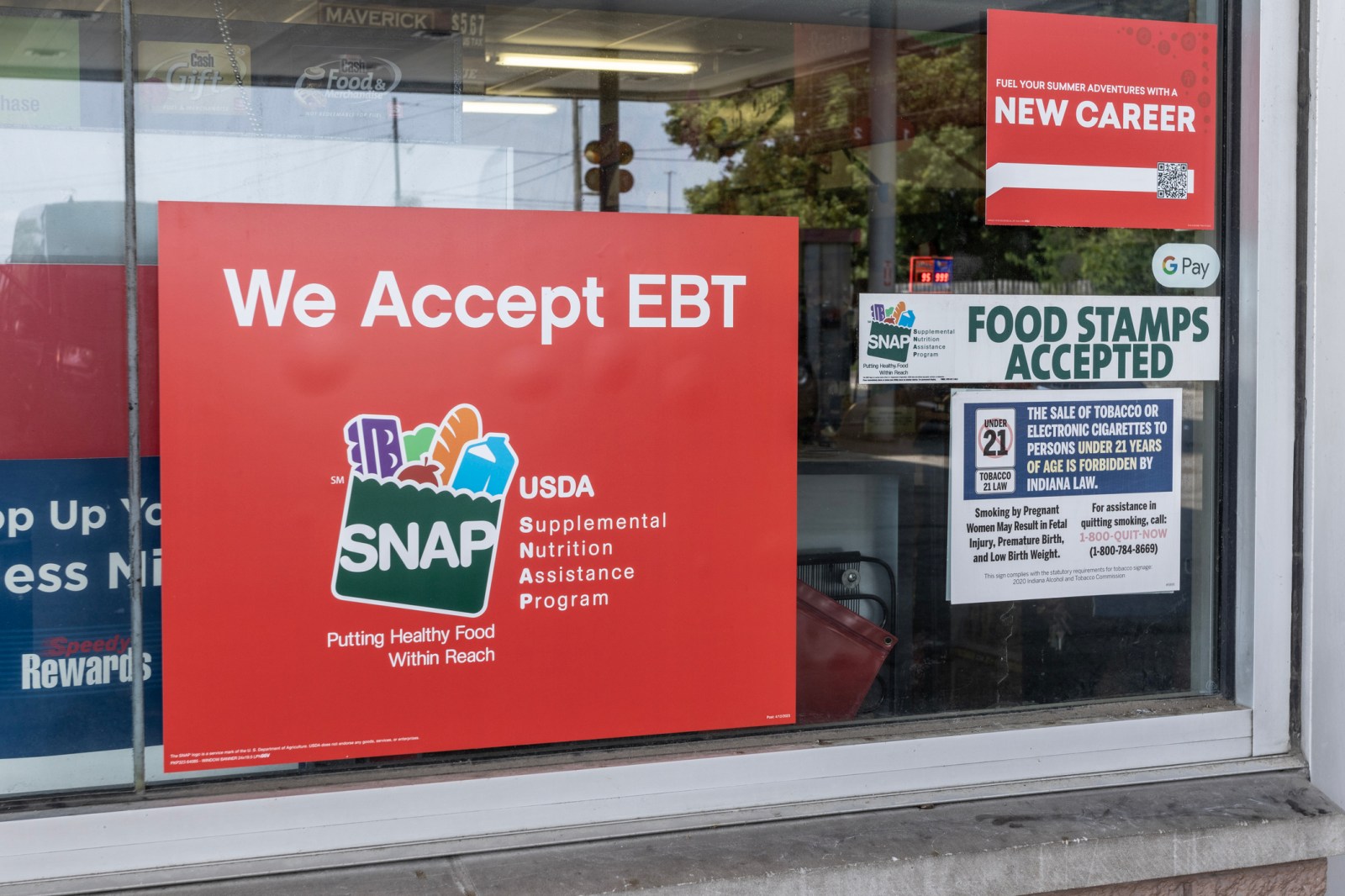
Planned restrictions on what Supplemental Nutrition Assistance Program (SNAP) recipients can buy have been delayed in South Carolina and North Dakota. This follows a federal court ruling striking down similar policies in other states.
South Carolina and North Dakota had planned to implement the new restrictions at the start of September. However, the U.S. Department of Agriculture (USDA) directed both states to postpone these changes to November 1. This pause allows the USDA to respond to the court’s decision and undertake a public notice process.
SNAP benefits assist millions of low- and no-income households across the U.S. with grocery costs. Since January 2025, several states sought USDA waivers to ban unhealthy food and drink purchases using these benefits.
South Carolina’s Healthy Food SC initiative was set for August 31, while North Dakota’s Healthy Choice Waiver aimed for September 1. The USDA had approved these proposals in December 2025.
In a letter dated August 25 to the South Carolina Department of Social Services, the USDA’s Food and Nutrition Administration mentioned that its Office of General Counsel and the Department of Justice were reviewing a court order vacating food-restriction approvals in five other states: Colorado, Iowa, Nebraska, Tennessee, and West Virginia.
A USDA spokesperson stated it wouldn’t comment on pending litigation. The agency plans to publish a notice in the Federal Register regarding South Carolina’s waiver a minimum of 30 days before implementation, asking the state to delay the initiative to accommodate public comments.
North Dakota officials received a similar letter, urging them to postpone restrictions as the USDA considers public input.
What Would Change
Under current federal rules, SNAP benefits are usable for items such as fruits, vegetables, meat, dairy, breads, cereals, snack foods, and non-alcoholic drinks. Prohibited purchases include alcohol, tobacco, hot meals intended for immediate consumption, and non-food items. Food-restriction waivers let states implement stricter regulations by excluding additional items.
North Dakota’s waiver would block SNAP benefits for sweetened drinks, specific energy drinks, and candy. This includes beverages with five grams or more of added sugar or artificial sweeteners, less than 50% fruit or vegetable juice, and certain energy drinks with high caffeine or other stimulants.
Examples from North Dakota include soda, sweetened tea, lemonade, sports and electrolyte drinks, and select bottled coffee drinks. Milk, unsweetened beverages, and 100% juice remain eligible.
South Carolina’s waiver similarly excludes candy, energy drinks, soft drinks, and sweetened beverages, though its definitions vary. Diet and zero-sugar soft drinks stay eligible, while milk-based drinks and those with at least 50% natural fruit or vegetable juice without added caloric sweeteners are exempt.
These changes only affect SNAP benefit usage. Recipients can still buy restricted items using different payment forms.
Court Battle
The delays stem from the June 22 decision in Aragon v. Rollins, a lawsuit brought by SNAP recipients in Colorado, Iowa, Nebraska, Tennessee, and West Virginia challenging USDA-approved food-restriction projects.
U.S. District Judge Amy Berman Jackson ruled for the plaintiffs on two counts. The court determined the USDA used incorrect legal authority, as the provision relied upon pertains to improving SNAP administration, not altering participant diets or health results. The court also identified USDA’s failure to comply with its requirement to announce such projects in the Federal Register at least 30 days prior.
Therefore, the judge vacated USDA approvals for five states. The North Dakota and South Carolina waivers were not part of this case.
In other states, unhealthy food waivers are already active, including Arkansas, Florida, Idaho, Indiana, Kansas, Louisiana, Oklahoma, Texas, and Utah.
Federal Push to Restrict SNAP Purchases
The waivers form part of the Trump administration’s broader effort to modify SNAP nutritional rules through its Make America Healthy Again initiative.
Currently, 23 states have obtained approvals, though five of these have been vacated following the court decision. Restrictions vary by state, including bans on soft drinks alone to broader exclusions covering candy, energy drinks, and prepared desserts.
Agriculture Secretary Brooke Rollins has encouraged governors to adopt restrictions. Upon Montana joining as the 23rd state in May, Rollins expressed hope for all 50 states to sign waivers soon.
After USDA approved North Dakota and South Carolina waivers in December, Rollins stated the administration sought to shift SNAP focus back to nutrition, urging families toward healthier choices over so-called junk foods.
What Happens Next
For now, recipients in North Dakota and South Carolina continue under existing SNAP purchasing rules. Federal authorities are completing further review processes ahead of the proposed start date.