
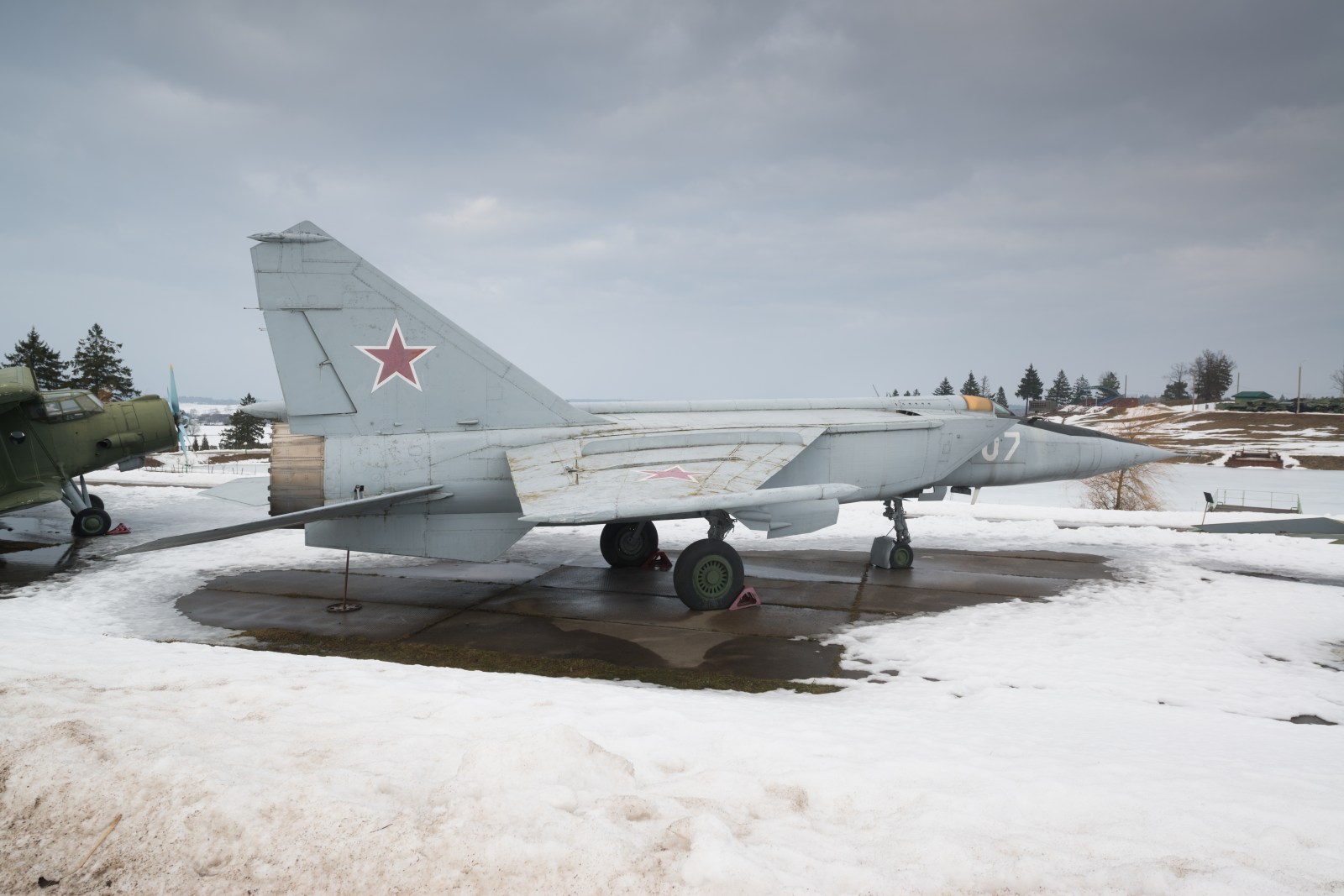
Fifty years ago, Soviet pilot Viktor Belenko executed one of the Cold War’s most astonishing defections. On September 6, 1976, he flew his MiG-25 from Chuguyevka Airbase to Japan, evading Russian radar with a daring maneuver. Landing dangerously low on fuel in Hokkaido, his arrival shocked onlookers as he declared his desire to defect to the United States.
Belenko’s defection provided immense intelligence value, as recognized by then-CIA Director George H.W. Bush. Granted asylum, Belenko went on to become a U.S. citizen and worked in various military and aerospace roles until his death in 2023.
Russian Defectors Under Putin’s Rule
Today, Russian President Vladimir Putin faces a different challenge with recent defections. Since the Ukrainian invasion, prominent figures have left Russia, including Anatoly Chubais, once integral to Russia’s economic strategies. After resigning from his latest role, he moved to Israel and established a Center for Russian Studies.
Another notable defector, Gleb Karakulov, once part of the secretive Federal Protective Service, fled during a Kazakhstan trip in 2022. From Turkey, he provided insights into Putin’s communication practices, highlighting a disconnect between the president and the digital world.
Drone specialist Miroslav Simonov is another key figure who left Russia. Utilizing Ukraine’s “I Want to Live” initiative, Simonov crossed into Ukrainian territory, exposing information on Russian drone capabilities.
Enticing More Defectors
Ukraine’s law encourages similar defections by promising $1 million for bringing a functioning combat aircraft. Yet, defection carries risks, as pilot Maksym Kuzminov discovered after reaching Ukraine with a Russian Mi-8. Despite providing valuable insights, Kuzminov met a violent end in Spain.
Russia’s legal deterrents remain significant. Defectors face severe penalties, including long prison sentences or even life incarceration, hindering potential defectors.
Growing Defections Pose Challenges
Defections have broader implications. Reports by The Bell and other organizations indicate a mass exodus since Putin’s partial mobilization in 2022. Many emigrating Russians are young and educated, threatening Russia’s workforce and intelligence structure.
While no one has yet provided the comprehensive value Belenko did, the potential for further impactful defections persists. Perhaps future defectors will carry crucial intelligence or advanced technology, further shifting the geopolitical balance.