
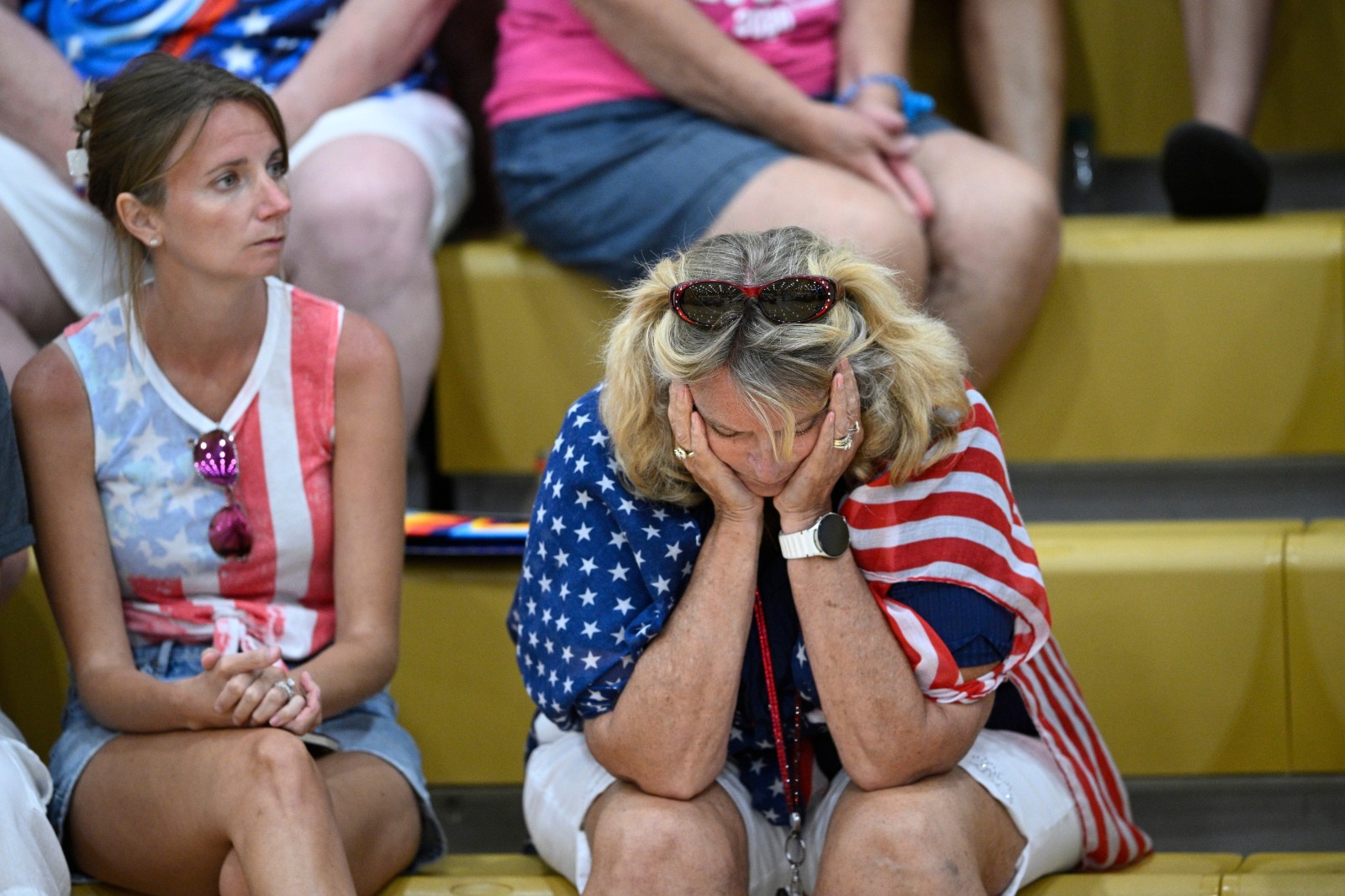
President Donald Trump’s approval rating among white voters has decreased by 7 percentage points since early summer, according to polling data from ActiVote. This trend is echoed in other surveys showing a decline in support from a group that has been crucial to his electoral base.
Recent Polling Data
ActiVote’s June polling indicated that white respondents were nearly split on Trump, with 47 percent approving and 49 percent disapproving of his performance. By July, his approval dropped to 39 percent, while disapproval rose to 54 percent. August maintained this level, with 40 percent approving and 54 percent disapproving, based on 1,000 respondents surveyed from August 1 to August 31. The survey utilized a five-star rating system, later converted into approval percentages.
This downward trend appears among a demographic consistently supportive in past elections. Pew Research Center analysis shows 55 percent of white voters supported Trump in the 2024 presidential race, constituting 71 percent of the electorate.
Wider National Trends
Trump’s national approval ratings have also weakened. An Economist/YouGov poll from August 28-31 found 36 percent of Americans approved of Trump’s job performance, with a 60 percent disapproval rate. A Quinnipiac University poll from July 23-27 recorded Trump’s approval hitting a low for his second term. Economic concerns and issues in Iran contribute to this sentiment, as 60 percent of Quinnipiac respondents opposed military actions in Iran, and 49 percent reported financial deterioration compared to the previous year.
Subsequent Polls and Demographics
The Economist/YouGov poll conducted from July 25-27 indicated a drop in Trump’s net approval among white Americans to minus 14, marking a new low. Among white Americans without a college education, 43 percent approved of Trump, with 52 percent disapproving. This group’s net approval fell from plus 27 to minus 6 early in Trump’s second term.
August saw further declines. The Economist/YouGov poll from August 7-10 showed Trump’s net approval hit minus 19, the lowest recorded for this group.
Potential Impact on Midterms
D. Stephen Voss, a political science professor at the University of Kentucky, suggests Trump’s declining approval among white voters could challenge GOP candidates’ success. Republication wins require not only a solid core base but also support from less consistent party voters and independents. Trump’s support is faltering in rural areas and among white voters without college degrees. This shift, if persistent, might hurt Republicans in previously strong districts.
Republican Support Remains Strong
Despite the decline among broader demographics, Trump retains considerable backing within the Republican Party. An Emerson College poll from August 16-17 found 86 percent of Republicans approved of Trump. Economist/YouGov polling from August 14-17 showed 80 percent Republican approval, with a higher rate of 95 percent among those identifying as MAGA supporters.
Trump’s Response to Polls
Trump has criticized polls suggesting a decrease in his standings. On August 30, he dismissed recent polling as manipulated by the media, referring to them as “FAKE POLLS” on Truth Social. A White House spokesperson referenced Trump’s posts when commenting on recent figures. On August 24, Trump criticized the polls, accusing Democrats of disseminating misleading surveys as ‘Demoralization Operations’ aimed at suppressing Republican voter turnout.