
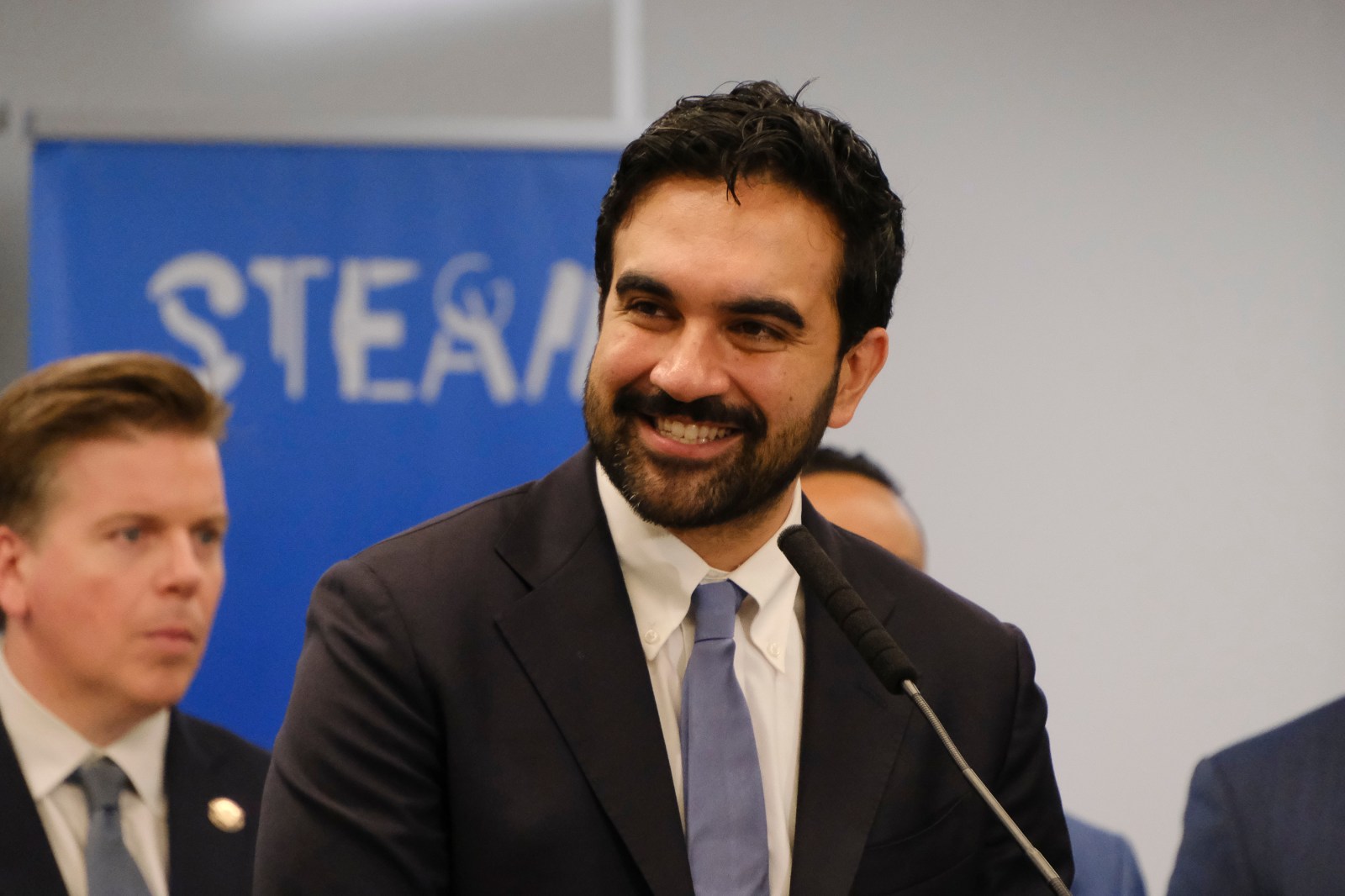
New York City Public Schools, the largest school district in the United States, is enacting a one-year ban on student-facing generative artificial intelligence (AI) for students through eighth grade. Mayor Zohran Mamdani and Schools Chancellor Kamar Samuels announced the decision, highlighting its significance as one of the strictest AI restrictions in U.S. education.
The policy affects about 600,000 students. It includes a ban on AI companion chatbots across all grades. Mamdani emphasized, “Children need teachers and human connections to learn and grow. They must develop skills with peers, build relationships with educators, and tackle problems independently.” Samuels added, “We are putting guardrails in place to protect the human connection, curiosity, and creativity that help children grow. Over the next year, we will prioritize evidence in ensuring technology serves learning.”
This move comes at a time of growing divide among educators, parents, and policymakers about AI’s role in schools. Some districts prefer expanding AI literacy and classroom usage. Others argue that unchecked use may harm critical-thinking skills, increase screen time, and raise academic integrity and privacy issues. Newsweek reached out to the mayor’s office for comment.
NYC AI Moratorium: When and Why?
The policy imposes a one-year moratorium starting with the 2026-27 school year while the city studies the effects of AI on learning and child development. The Technology in Schools coalition, comprising students, educators, parent leaders, and experts, will assess the policy’s impact and publish a report. Mamdani stated, “The tech industry promotes AI-powered early education as inevitable, but we don’t see it that way. We are implementing this moratorium and will examine its impacts thoroughly.”
Five limited AI pilot programs are in place for high school students, utilizing tools like Quill for English, Edia for math, and Brisk Teaching for text and video instruction. New York Governor Kathy Hochul supported the decision, praising Mamdani for continuing efforts towards focused learning.
Districts With Restrictive AI Policies
Meredith Coffey, a senior policy associate at the Thomas B. Fordham Institute, noted that New York’s measures are highly restrictive but not unique. Los Angeles Unified School District restricts AI for students under 13, and Fairfax County, VA, bans AI for K-5 grades. Meanwhile, Chicago integrates AI literacy into K-12 curriculums.
Other districts are adopting similar restrictions. Katy Independent School District in Texas plans to restrict AI use for younger students starting in the 2026-27 school year. Dr. Sanée Bell, assistant superintendent, emphasized the importance of developing foundational skills before using AI tools. In Fairfax County, restrictions require principal authorization for AI tool use among secondary students.
Some states are implementing broader AI guidelines in schools. Oklahoma’s Responsible Technology in Schools Act mandates written AI policies by the 2027-28 school year. Idaho lawmakers approved a statewide framework addressing issues like student privacy, academic integrity, and AI literacy.
AI Arguments
Teachers, parents, and students acknowledge AI’s growing role in education and work, emphasizing the importance of AI literacy. Proponents of classroom AI argue it helps with idea brainstorming, personalized assistance, skill improvement, and career preparation. Yet, many stress the need for restrictions, particularly for younger students, due to potential risks like cognitive offloading and privacy concerns.
Coffey pointed out that while there are risks, there may also be promising educational tools using AI. She expressed hope for further research into AI’s academic potential. For inquiries related to this story, contact Newsweek editors Jason Lemon and Gray R. Thomas.