
The recent Supreme Court decision in Mullin v Doe has stirred significant controversy among Democrats nationwide. The ruling allows the Trump administration to deport hundreds of thousands of temporary refugees from Haiti and Syria. This decision highlights the debate over the nature of ‘temporary’ status for refugees in the United States.
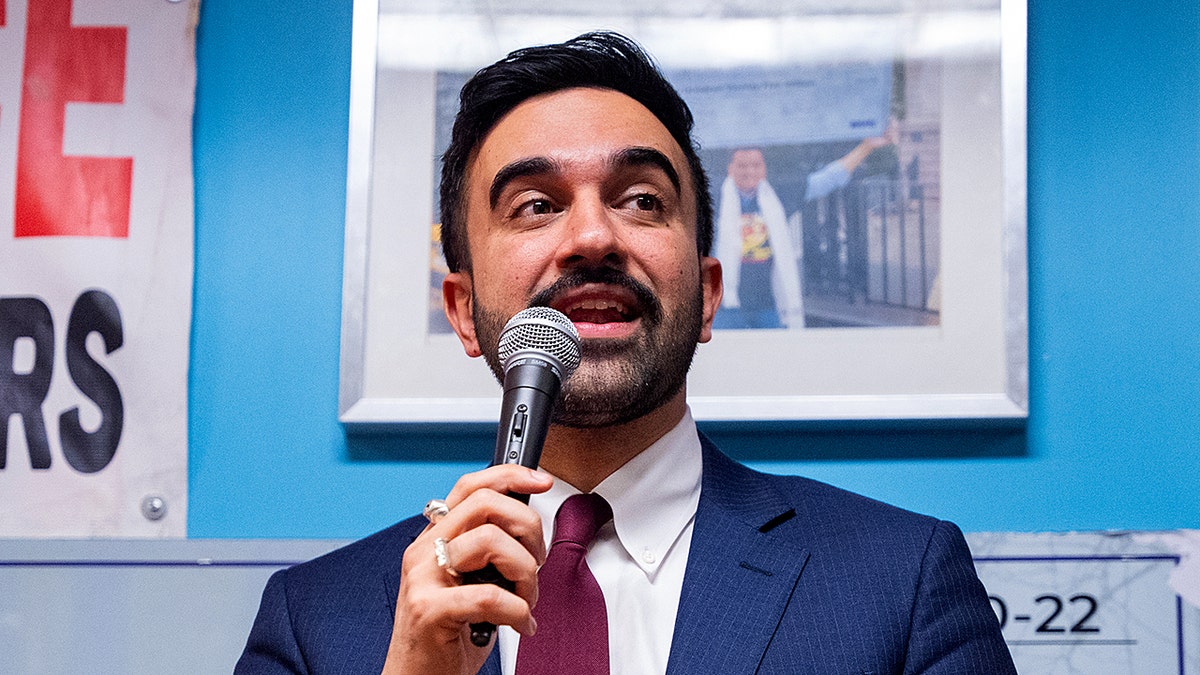
New York Mayor Zohran Mamdani criticized the ruling, stating it could lead to a significant loss of rights for Haitians and Syrians who have built lives in the U.S. He argued that the decision represents a severe attack on immigrants.
The Supreme Court just sparked one of the largest attacks on immigrants in modern American history. In one fell swoop, thousands of Haitians and Syrians now risk losing the right to live and work in the country they call home.
The core issue revolves around the distinction between refugees and immigrants. Immigrants typically aim to integrate into American society, whereas refugees often retain the possibility of returning to their home countries. This temporary nature influences how these groups interact with native populations.
In cities like Springfield, Ohio, and Minneapolis, large communities of Haitian and Somali refugees have developed, impacting local services and infrastructure. Business groups, such as the Chamber of Commerce, appreciate the influx for providing a workforce. However, local residents express concerns over overcrowded schools and housing shortages.
Republican Representative Brandon Gill has highlighted further complications, noting that many Haitians granted Temporary Protected Status (TPS) were not directly from Haiti. Instead, they came from other countries in South America, taking advantage of what he describes as ‘open border’ policies under President Biden.
Many of the Haitians who were given TPS under Joe Biden did not come from Haiti. They were living in nations like Brazil and Chile… They were sent, not to Martha’s Vineyard or Sherman Oaks, but to blue-collar, Midwestern towns like Springfield, Ohio.
In contrast, towns like Harrisonburg, Virginia, have successfully integrated smaller numbers of refugees by providing language and job training. This structured approach demonstrates an effective method of accommodating refugees without overwhelming local communities.
The Trump administration views the Supreme Court’s decision as a step towards enforcing immigration laws and curbing what they see as a misuse of temporary status. This aligns with calls from citizens in affected areas who feel their communities have been altered with little input from them.
As debates continue, the focus remains on balancing humanitarian concerns with the impact on local populations and resources. The decision represents a pivotal moment in the ongoing discussions about immigration policy in the United States.