
The proposal championed by Vice President JD Vance, which aims to subsidize stay-at-home parents with up to $9,000 per child annually, is stirring controversy. According to a group founded by former Vice President Mike Pence, Advancing American Freedom (AAF), this initiative could lead to government intrusion and contradicts its original aim of supporting work and independence.
In a document, AAF urged conservatives to reject the proposal. They argued that it would undermine family privacy, penalize employment, and introduce potential fraud risks. Vance advocates for expanding the Child Care and Development Fund (CCDF), which currently helps low-income families with childcare costs. This fund, established during the Clinton administration, allocates around $9,000 per child yearly, usually paid to childcare providers directly.
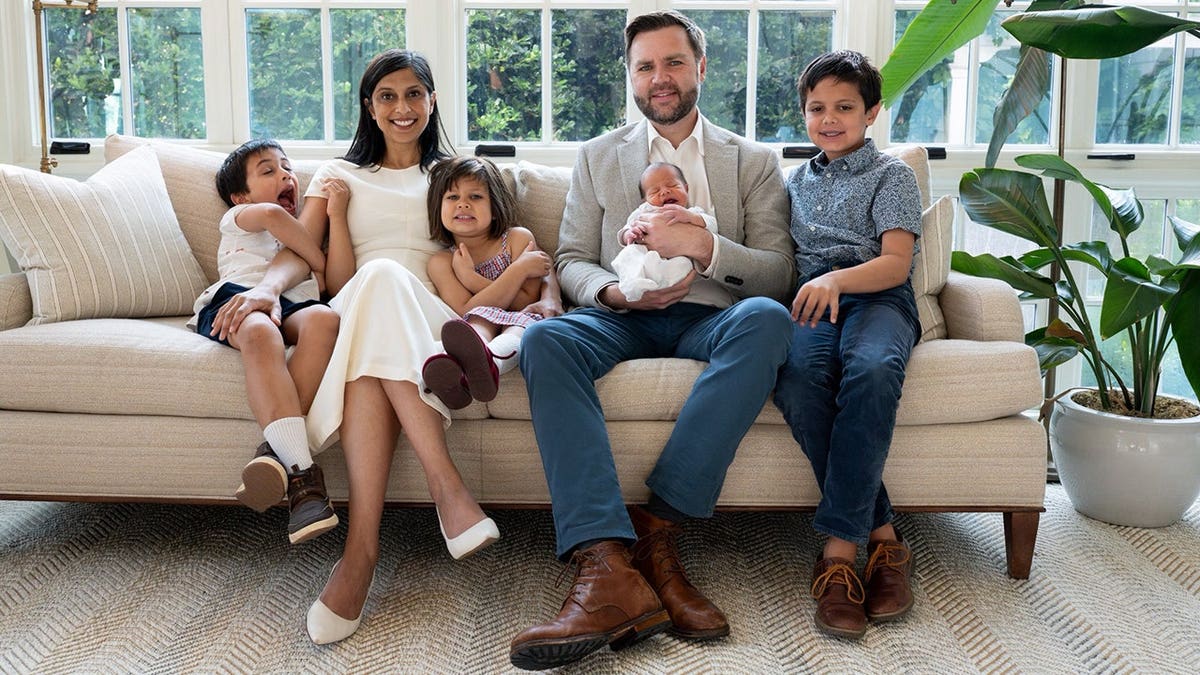
Vice President JD Vance, along with his family, pushes for subsidizing stay-at-home parents, which some conservatives believe contradicts the foundational goals of encouraging self-sufficiency.
The proposal specifies that families where one parent stays at home and the working spouse earns below state income limits can qualify for the subsidy. Single and non-working single parents do not qualify, leading to a debate about fairness and practicality. AAF President Tim Chapman emphasized that while supporting families is essential, this plan might expose families to government scrutiny, create dependency, and discourage work.
The group stressed the need for ongoing discussions on family policy and conservative values. Roughly 870,000 families, primarily single parents, currently benefit from the CCDF, according to AAF. Expanding this eligibility could place additional strain on the program, which already faces resource limitations, including waitlists in nearly one-third of states.
An auditable childcare service requirement could also increase the risk of fraud without sufficient oversight. John Shelton, AAF’s vice president of policy, acknowledged the appeal of innovative family support measures but warned of potential pitfalls.
“There’s nothing more challenging than raising children,” Shelton remarked, stressing the need for careful execution to prevent unintended consequences, such as disincentives to work and advance professionally.
AAF also pointed out potential penalties for stay-at-home spouses who engage in remote, part-time, or gig work. Families receiving a raise or promotion may face financial setbacks, clashing with welfare goals of promoting employment and self-sufficiency.
Some supporters, like Roger Severino from the Heritage Foundation, argue for equitable financial support for stay-at-home parents, comparing their efforts to those using subsidized childcare services.
Despite good intentions acknowledged by some, such as the Trump administration’s efforts, implementation challenges persist. The discourse continues as stakeholders await further comments from the White House and Vance’s office.