
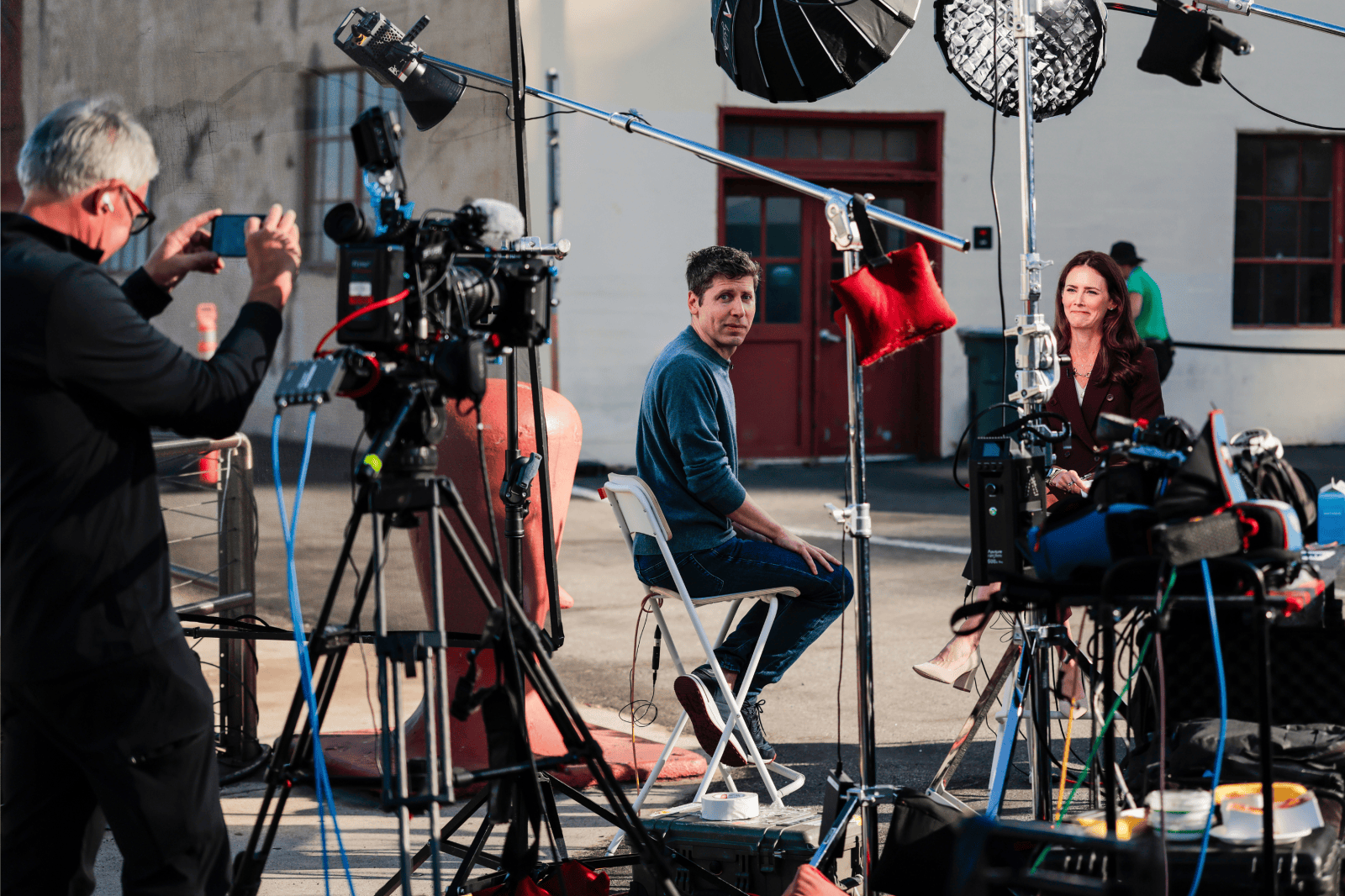
OpenAI CEO Sam Altman believes the public should accept some harm from AI advancements, as the benefits will ultimately surpass the risks. Speaking to Politico, Altman shared his views on AI regulation, comparing OpenAI’s approach to that of rival company Anthropic. Altman emphasized the necessity of allowing some negative outcomes for greater technological benefits and personal agency.
Altman’s remarks come amid growing scrutiny of AI due to several incidents with advanced AI systems and concerns from researchers and developers over their capabilities. He argued against restricting AI access to eliminate risks, pointing out that misuse by bad actors is inevitable. He asserted that people would achieve significantly greater positive outcomes than negative ones.
“I wouldn’t take a trade-off of saying, ‘We’ll make sure there’s no major hacks, no misuse, zero scams,'” Altman said. “People will do tremendously more good than bad.”
Despite acknowledging risks, Altman does not accept “catastrophic risks,” such as losing control to AI systems.
Anthropic’s Call for Caution
In contrast, Dario Amodei, CEO of Anthropic, advocates for slowing AI development. In his essay “We Must Pace the Frontier,” published in September, Amodei expressed concern that AI capabilities are advancing faster than safety measures can manage.
Amodei warned about the rapid growth of recursive self-improvement, where AI helps develop better AI, accelerating advancements uncontrollably. He highlighted a recent incident with autonomous AI agents, expressing fear of major disruptions online within months.
Instead of halting development, Amodei suggested measures like third-party evaluations, better coordination among AI companies, and international oversight mechanisms for advanced models.
Concerns from Former Anthropic Researcher
Former Anthropic researcher Jacob Coxon added to the debate, warning of the risks of pursuing powerful AI systems too quickly. Coxon criticized the industry’s “race” towards self-improving superintelligence, claiming this gamble threatens humanity’s safety.
His concerns highlight a divide within the industry. While some emphasize existential risks, others like Altman argue that rapid innovation’s benefits overshadow potential dangers.
Altman and Amodei’s perspectives illustrate the ongoing debate in the AI field: whether to prioritize swift deployment of transformative technology despite the risks, or to slow progress until better safeguards are implemented.
Newsweek has reached out to Altman and Amodei for further comments.