
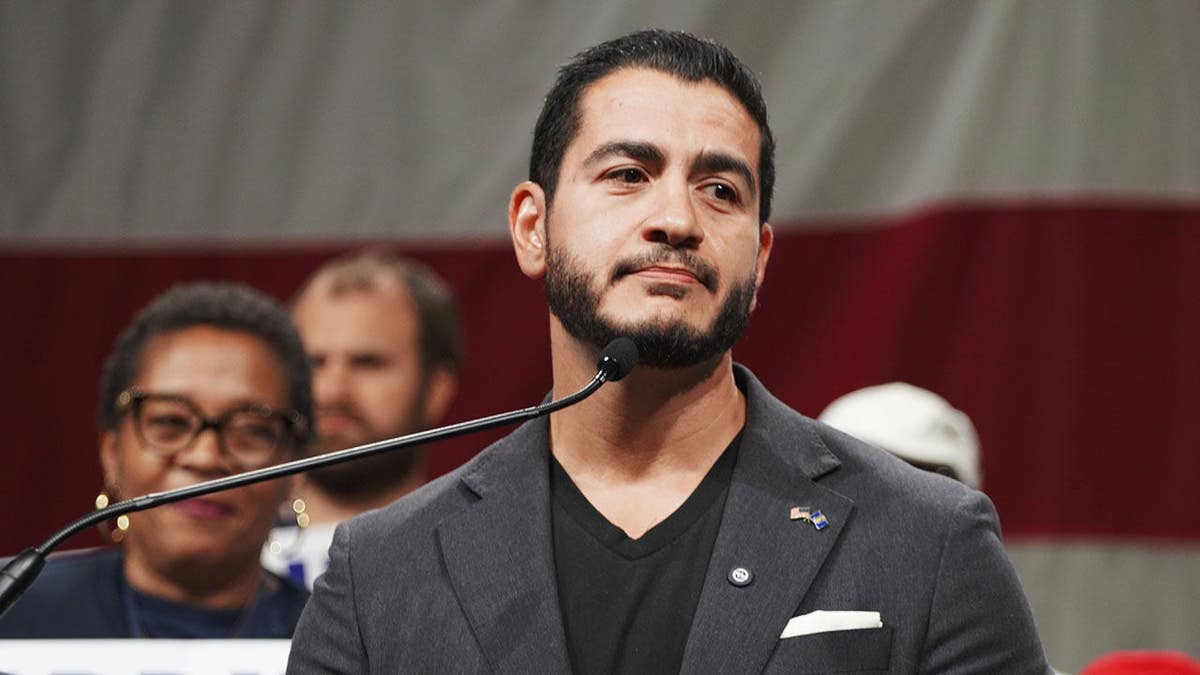
Former staff members from the Obama administration, now hosting the “Pod Save America” podcast, engaged in a discussion about Michigan Senate candidate Abdul El-Sayed’s reaction to recent inquiries regarding alleged family connections to the Muslim Brotherhood. Hosts Tommy Vietor and others expressed sympathy for El-Sayed when addressing questions they considered prejudiced. However, Jon Favreau emphasized the importance of addressing not only the questioner but also voters who might be concerned about the Muslim Brotherhood.
Allegations Revolving Around Family Ties
The concerns arose after the Washington Free Beacon highlighted social media posts where El-Sayed’s half-sister, Eman Abdelhadi, described their family’s past association with the organization, involving both El-Sayed and his mother. During an October 17 town hall event, El-Sayed reacted sharply to an audience member questioning if he would disavow the Muslim Brotherhood. He rejected the organization, then turned the question back to the audience member, challenging the implicit assumptions about his allegiance.
Responding to Political Maneuvering
Favreau criticized Republican efforts to connect El-Sayed to the Muslim Brotherhood via familial links, suggesting the GOP was leveraging the issue to influence voters. He noted Republicans might use this strategy by introducing unfamiliar, potentially intimidating information about the organization’s foreign ties to Egypt, relating it to the candidate’s background.
While acknowledging El-Sayed’s dismissal of the question, Favreau advised addressing broader voter concerns without resorting to condescension. He emphasized understanding and addressing queries that might stem from curiosity, rather than dismissing them outright.
Tommy Vietor concurred, suggesting a softer tone would have been beneficial. Another co-host, Jon Lovett, advised focusing less on debating with adversarial questioners and more on engaging with the wider audience.
Navigating Public Perception and Rhetoric
Reflecting on his time working with former President Obama, Favreau highlighted the necessity for candidates to maintain careful attention to their rhetoric and tone when communicating with the public. Although candidates may find unwarranted scrutiny frustrating, responding diplomatically remains essential.
Despite the challenge of confronting potentially prejudiced questions, candidates like El-Sayed need to prioritize understanding the voter’s perspective to succeed in elections. Favreau mentioned past figures, like Obama and Zohran Mamdani, who faced similar challenges.
Vietor, alongside his co-hosts, reiterated their view of the questions El-Sayed encountered as reflecting underlying biases. However, a political analyst, Jesse Arm, pointed out that El-Sayed’s approach might explain poorer performance compared to other Democratic candidates in Michigan, attributing it partly to his perceived confrontational style.