
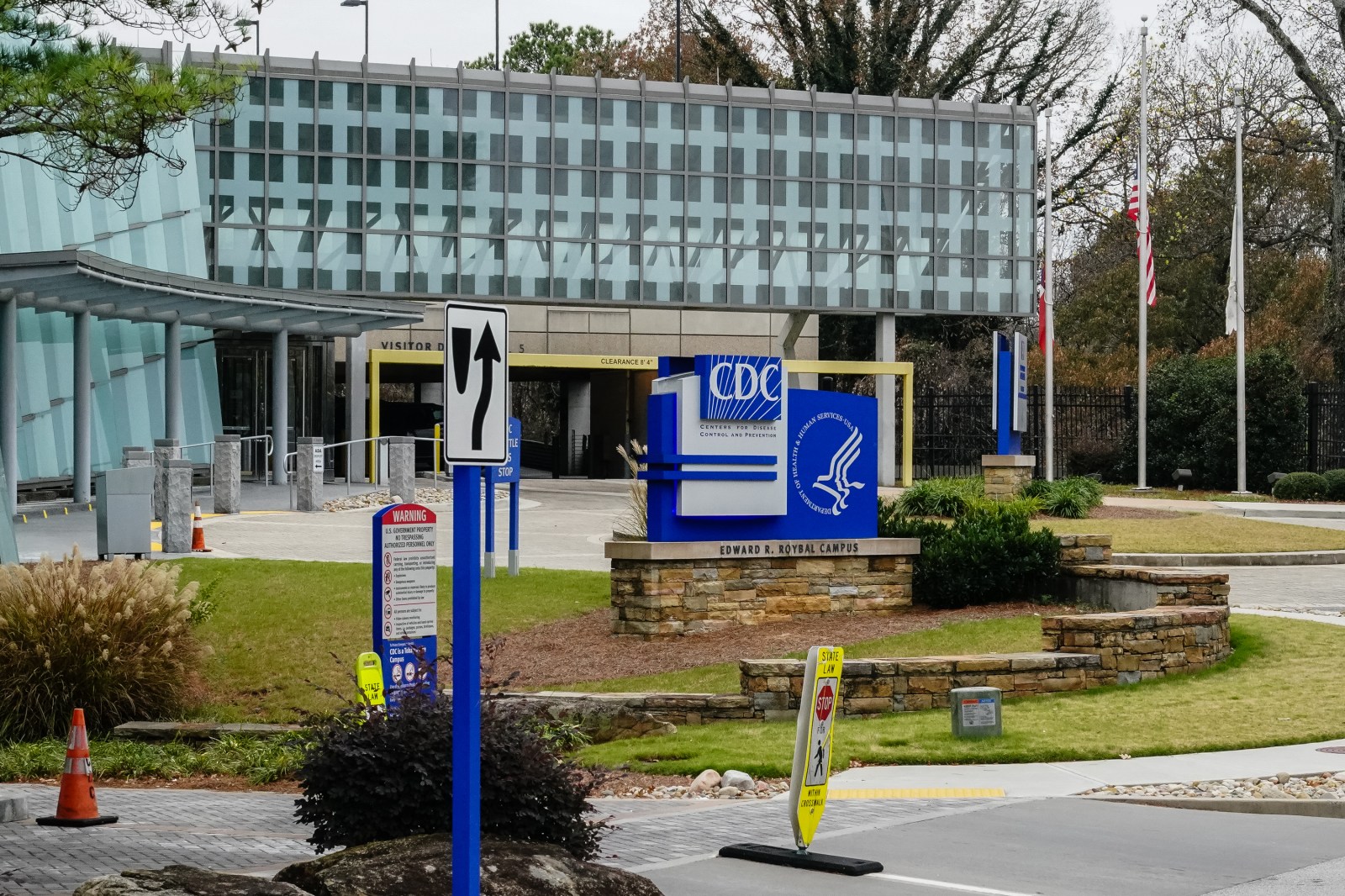
Health officials are currently examining a rise in cases of cyclospora infection, known as cyclosporiasis, across the United States. This foodborne illness, caused by the Cyclospora cayetanensis parasite, is notorious for leading to explosive diarrhea.
Reporting States
Recent data from the Centers for Disease Control and Prevention (CDC) and state health departments reveal cases in multiple states:
- Alaska
- Colorado
- Connecticut
- Florida
- Georgia
- Illinois
- Louisiana
- Massachusetts
- Michigan
- New Jersey
- New York
- North Carolina
- Ohio
- Pennsylvania
- Tennessee
- Texas
- Virginia
- Wisconsin
Michigan Reports Large Outbreak
Michigan has reported over 700 confirmed cases, an unprecedented figure prompting officials to scrutinize food histories and grocery purchases for clues. As of early July, significant counts include Ohio with 177 cases, Texas with 48, and New York with 120.
CDC Insights
According to the CDC, cyclosporiasis cases rise notably during the summer months, from May to August. Between May 1 and June 16, 145 domestically acquired cases were reported in 17 states, including 20 hospitalizations but no deaths. However, these figures do not capture the latest reports. The considerable delay in national data publication suggests real numbers are higher.
Current investigations show no indication of a single nationwide source, leading investigators to explore multiple local clusters for connections.
Challenges in Reporting
Health officials stress that many individuals with the infection do not undergo lab testing or seek medical care, resulting in underreported case numbers. Furthermore, lags in reporting from exposure and symptom onset to test results exacerbate this issue.
Foods Linked to Past Outbreaks
While no specific food has been identified for the current outbreaks, previous incidents frequently involved contaminated produce items such as:
- Basil
- Cilantro
- Mesclun lettuce
- Bagged salad mixes
- Raspberries
- Snow peas
- Green onions (scallions)
Contamination usually happens before consumer access, often through tainted water. Human-to-human transmission is rare due to environmental maturity requirements for the parasite.
Symptoms of Cyclosporiasis
Symptoms generally emerge about one week after consumption of contaminated food or water, appearing as soon as two days or as late as two weeks after exposure. They include:
- Watery diarrhea
- Frequent and severe diarrhea
- Stomach cramps
- Bloating
- Nausea
- Loss of appetite
- Fatigue
- Weight loss
Without proper treatment, these symptoms may last for several weeks and can resolve before returning.
Ongoing Investigations
The Food and Drug Administration, CDC, and state agencies are actively pursuing sources of contamination. However, no grower, supplier, or specific product has been pinpointed yet. Due to the seasonal nature of cyclospora infections and reporting delays, more cases are expected in the coming weeks as investigations continue into potential distinct events rather than a unified outbreak.