
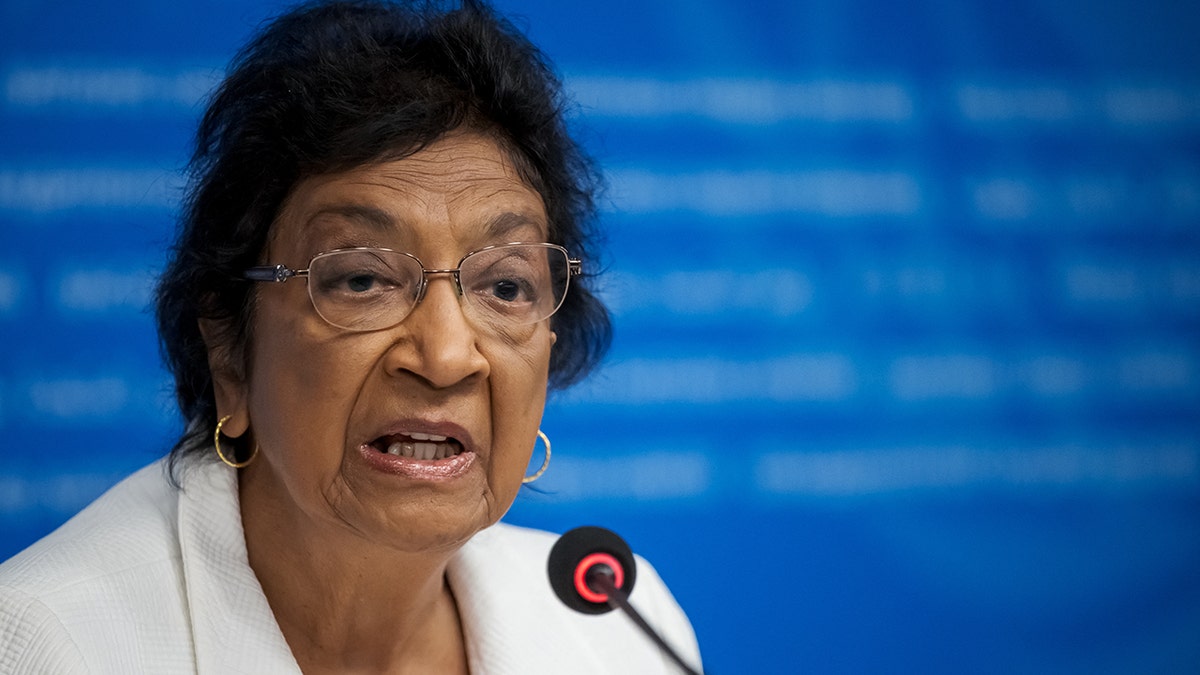
The Nobel Peace Prize was initially meant to recognize those who significantly advance peace among nations. Lately, it seems to be awarded to individuals in the international activist community, focusing on those who align with a progressive political agenda. This trend can be seen in the selection of Navi Pillay.
Navi Pillay is known for her leadership of the U.N. commission that charged Israel with genocide in Gaza. Her selection by the Nobel Committee is perceived as support for a culture at the U.N. where criticism of Israel gains moral seriousness.
The Nobel Peace Prize was awarded to a U.N. jurist accused of targeting Israel with serious accusations.
Pillay’s record includes more than the commission’s views on Israel. In response to the Danish embassy bombing in Pakistan, she reportedly suggested censorship instead of supporting free speech. After the Charlie Hebdo attack, she criticized the publication for cartoons considered provocative. Her response seemed to focus on blaming those exercising free speech rather than those resorting to violence.
Pillay also defended U.N. commissioner Miloon Kothari after he made antisemitic remarks. An event in her honor was canceled in Berlin due to these controversies. Her past includes declining an important Nobel ceremony for Chinese dissident Liu Xiaobo, and not publicly addressing rights abuses in countries like North Korea and Saudi Arabia.
The Nobel Committee’s decisions have been questioned before. Past recipients include Yasser Arafat, despite his history of violence, and Henry Kissinger, where peace was not achieved. Barack Obama received it early in his presidency, causing even him to feel it was too soon.
Successful peace efforts like the Abraham Accords, which normalized relations between Israel and several Arab states, do not align with the Nobel Committee’s preferences. This includes influential figures like Jared Kushner, whose association with Donald Trump would make him an unlikely recipient despite his contributions to peace.
The Nobel Peace Prize is decided by a committee appointed by Norway’s parliament, which has been criticized for aligning selections with their political views. The prize is meant to honor substantial achievements in global peace, yet its current criteria may undermine that intention.
The Foundation in Stockholm cannot reclaim authority over the prize due to Nobel’s will, but the committee faces scrutiny for its decisions. The Peace Prize should distinguish truly impactful contributions to peace, deserving respect and recognition for those who work towards it.
Daniel Schatz, a political scientist and author with extensive academic background, critiques the prize’s current state.