
Chef Anthony Vitolo recently visited the weekend studio to showcase some traditional Italian recipes. He joined the five hosts in demonstrating how to prepare and cook a classic mozzarella dish. Vitolo shared culinary secrets while the group gathered to taste the final product.
Rice is a staple in many kitchens but perfecting it can be challenging. Proper technique can help achieve tender rice with distinct grains. Experts suggest starting with a step often skipped by home cooks: rinsing.
“I generally rinse before cooking when I want a light, fluffy result,” said Dennis Littley, a New Jersey-trained chef.
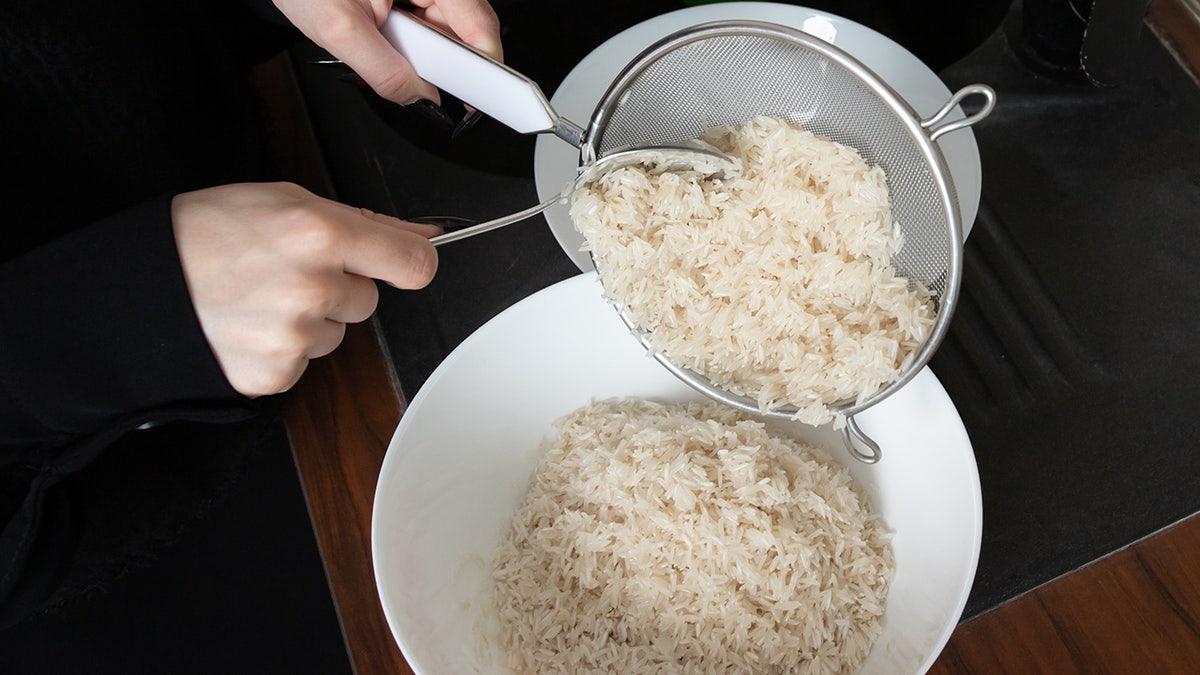
Long-grain white rice, basmati, and jasmine rice should be rinsed until the water turns from cloudy to mostly clear. This step removes surface starch that can cause gumminess. After rinsing, it’s crucial to drain the rice thoroughly to maintain the correct water-to-rice ratio.
Cooks emphasize the importance of technique based on rice type. Christine Pittman advises rinsing for short-grain rice, or when using a pressure cooker. For risotto, it’s best to skip this step as its starchiness adds to the dish’s creaminess.
Food & Wine’s side-by-side tests showed rinsed and soaked basmati and jasmine rice resulted in fluffier grains compared to unrinsed rice. Dennis Littley prefers soaking basmati rice for 20 to 30 minutes before cooking. This helps achieve longer, distinct grains with a fluffy texture.
Pittman recommends less than 2 cups of water per cup of long-grain white rice, varying by type. For Japanese-style short-grain rice, start with 1 1/4 to 1 1/2 cups of water per cup of rice. Following package directions is essential for specific rice preparation.
Brown rice, due to its bran layer, requires more water—about 2 cups per cup of rice—and a longer cooking time. Briefly toasting rice in oil or butter after rinsing can add flavor and help separate grains.
After placing rice and liquid in the pot, bring it to a boil, then simmer gently with the pot covered. Avoid lifting the lid or stirring. When done, remove it from heat, let it rest for 5 to 10 minutes, then fluff with a fork. This rest period helps evenly distribute moisture.
Pittman advises using a fork’s “gentle folding motion” to fluff rice. This method touches only the bottom grains, preventing vigorous stirring and maintaining grain integrity. If rice is undercooked, add hot water, cover, and return to low heat briefly.
Achieving perfect rice involves combining expert advice and careful technique. With these tips, home cooks can enhance their rice dishes with confidence.