
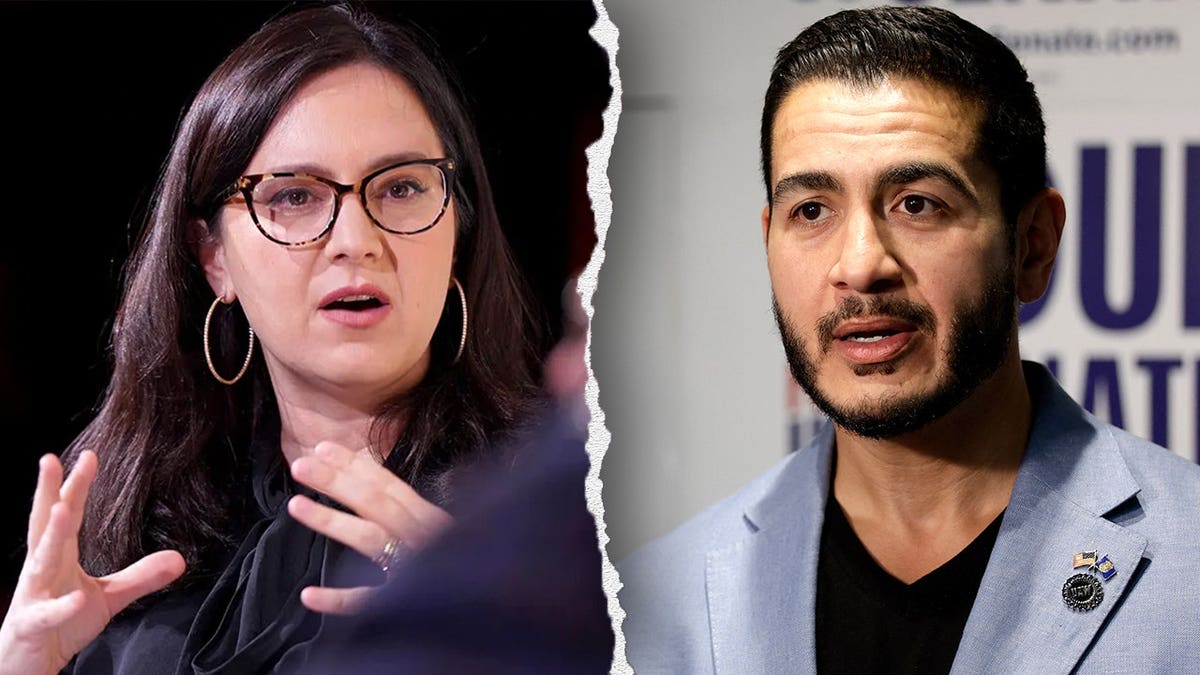
CBS News editor-in-chief Bari Weiss faces criticism from some quarters over an investigation into Democratic Michigan Senate candidate Abdul El-Sayed’s alleged connections to the Muslim Brotherhood. According to a Semafor report, Weiss personally encouraged CBS News journalists to explore various angles on El-Sayed’s supposed links to the organization.
Two anonymous CBS News staffers expressed dissatisfaction with Weiss’ directive. Anonymous complaints against media executives have become commonplace in the industry. Tim Graham, executive editor at NewsBusters, suggests that these anonymous quotes to liberal outlets reinforce perceptions of bias in the media.
“She’s making them do difficult things,” Graham noted. “How dare you do stories that might make Democrats look bad,” he continued sarcastically.
Defenders of Weiss argue that she was simply encouraging her team to uphold journalistic standards. However, some progressive voices reacted negatively to the news. Mehdi Hasan, founder of Zeteo, criticized Weiss as lacking qualifications for her role. Jeet Heer from The Nation and activist Shaun King questioned the credibility of CBS News under Weiss’ leadership.
Recently, unearthed social media posts by El-Sayed’s half-sister, Eman Abdelhadi, have stirred debate, suggesting the family’s past ties to the group. In a series of posts from 2012 and 2013, Abdelhadi mentioned family connections to the Muslim Brotherhood, though El-Sayed has denied any such links. These revelations were initially reported by the Washington Free Beacon.
El-Sayed defended himself in an NBC interview, noting his upbringing in Michigan and questioning the relevance of events from the 1970s in Egypt. Despite his denial of any connection to the Muslim Brotherhood, questions persist over his family’s past.
The current debate around El-Sayed echoes previous political moments, such as those faced by John F. Kennedy during his presidential run in the 1960s. Critics and supporters remain divided on the implications of the inquiries into El-Sayed’s background.