
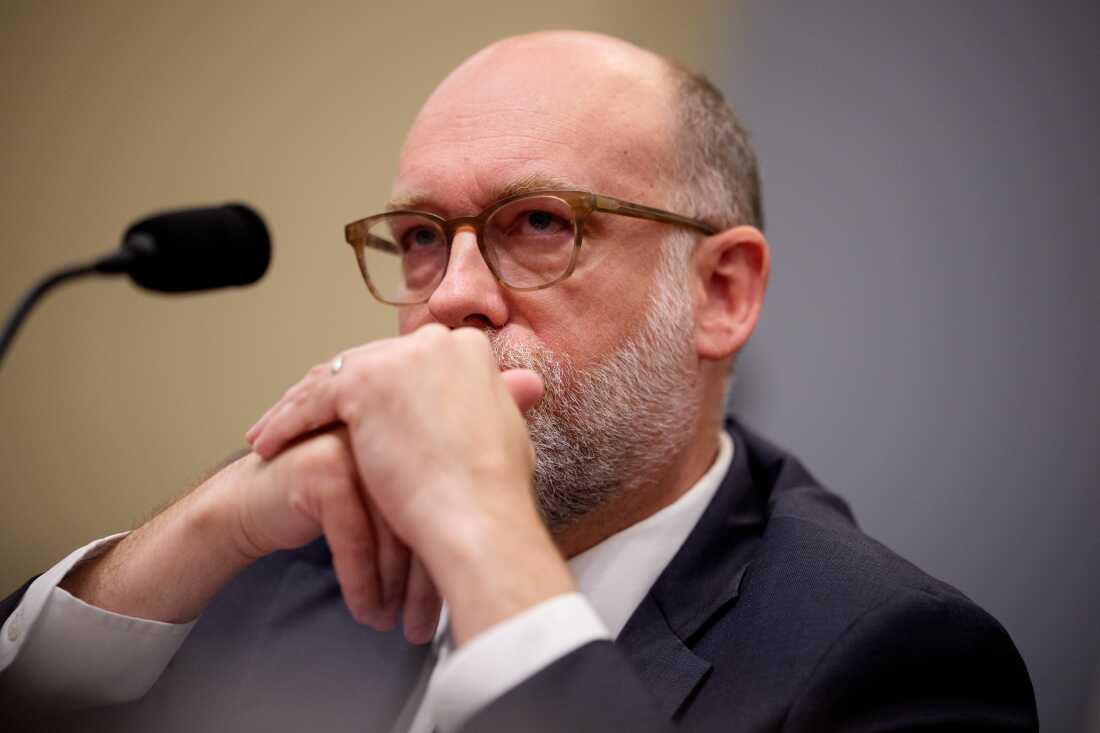
White House Office of Management and Budget Director Russell Vought appeared before the House Budget Committee on April 15 at the U.S. Capitol. The budget office recently proposed a rule change aimed at increasing political influence over federal research grants.
This proposed rule, published in the Federal Register on May 29, impacts various research fields including housing and transportation, with a significant focus on health and science funding. The change could allow political appointees, rather than scientists, to review grants before awards are finalized. Critics argue this grants political officials veto power, even if projects pass scientific peer review.
Holden Thorp, editor of Science magazine, expressed concern about this proposal in an editorial. He noted the administration’s determination to significantly alter the nation’s scientific enterprise.
Researchers and advocacy groups across the nation are raising alarms. Cole Donovan, a policy analyst from Stand up for Science, warned that the proposal could mark the end of American science standards. He emphasized the importance of preventing such changes from occurring quietly.
Historically, the U.S. scientific community has relied on peer review systems to maintain research integrity. These systems offered feedback on proposals and played a role in decision-making within federal science agencies. While not legally binding, peer reviews have become influential practice norms within the government.
Under the new rule, political appointees would be required to review grants post-peer review, leading to potential veto scenarios based on non-scientific judgments. Critics swiftly reacted against what they perceive as politicization of scientific funding decisions.
If rule-breaking becomes the norm, the functionality of government is threatened,
warned historian Tim Snyder during an online forum held by Stand Up for Science. Snyder drew parallels between the rule change and historical political interference, comparing it to late Stalinism and McCarthy era politics.
The Infectious Diseases Society of America released a statement indicating that the proposal risks replacing scientific merit with political ideology.
The rule change proposed by the White House’s Office of Management and Budget aims for efficiency. An OMB spokesperson claimed it would enhance agencies’ ability to tackle waste, fraud, and abuse. However, critics argue the existing peer-review system does not require sweeping changes. They caution against empowering political actors in scientific decision-making processes.
Elizabeth Ginexi, a former NIH staffer, voiced concerns with non-scientific judgment influencing critical decisions, such as cancer therapeutic trials.
Additionally, the proposal bans research on diversity, equity, and inclusion as grant conditions, and broadly restricts international scientific collaborations. Cole Donovan highlighted the importance of international collaboration in producing high-impact scientific work.
Democratic lawmakers have attempted to mobilize public action against the proposal. U.S. Rep. James Walkinshaw emphasized potential negative impacts on American research when political agendas dictate funding decisions. Despite public support, Congress is unlikely to intervene directly. The proposed rule is open for public comment until July 13; subsequent steps include OMB reviewing those comments before a final decision is made.
If enacted, Donovan predicted legal challenges are almost certain to arise.