
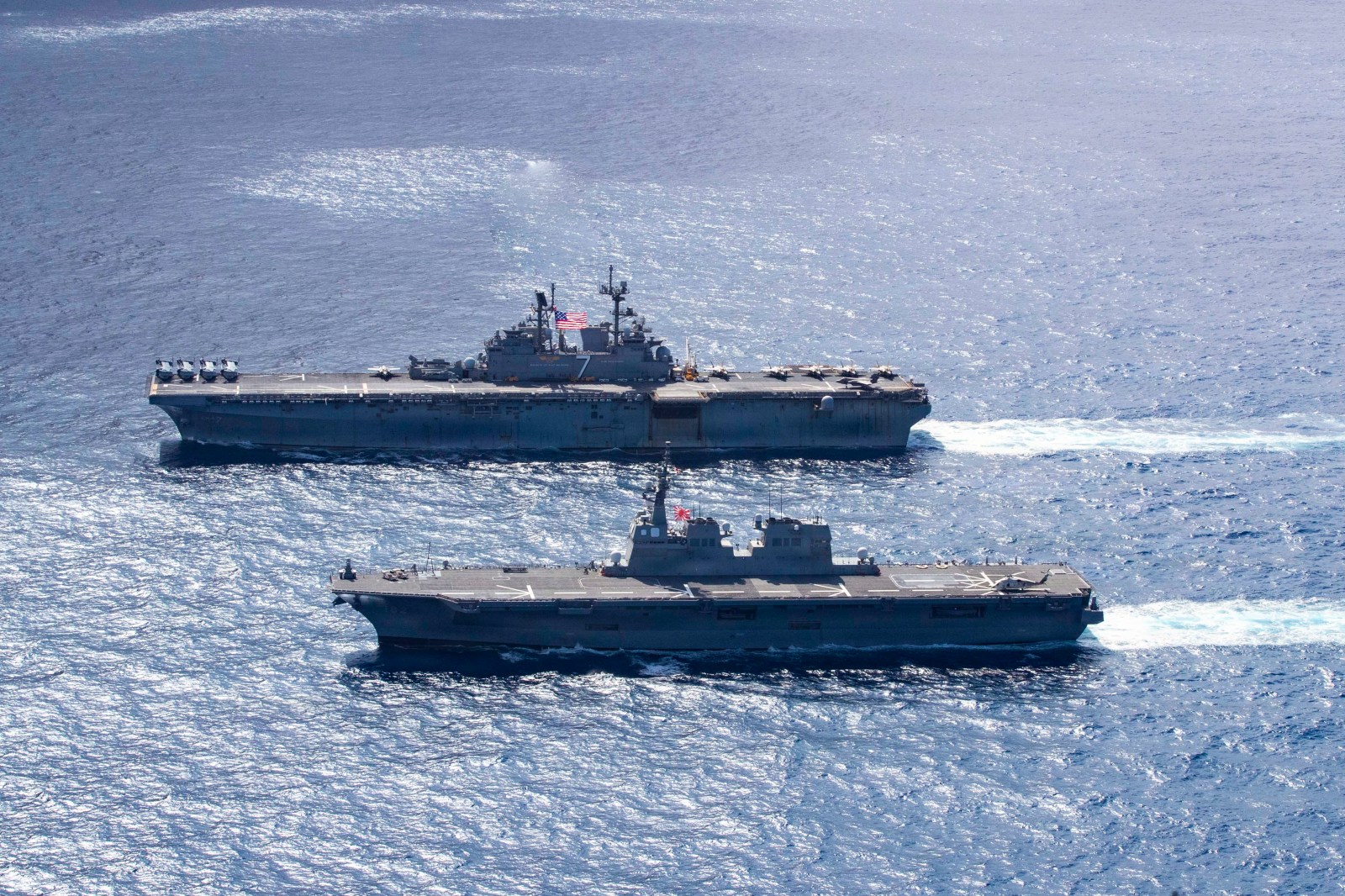
Beijing has imposed restrictions on the export of key minerals to Japan. This move aims to pressure Japan, a U.S. ally, to reconsider its defense policies. The Chinese Foreign Ministry confirmed this on Monday.
Background of Restrictions
In January, China’s commerce ministry tightened controls. They focused on items potentially usable for military applications in Japan. The goal was to stop any party from providing ‘dual-use’ goods for Japanese military purposes. This decision followed remarks by Japanese Prime Minister Sanae Takaichi. He linked Japan’s security with Taiwan, a region China claims.
China increased these restrictions twice in February. Though a complete list of affected items is unavailable, rare earth elements are included. These minerals are crucial for advanced technology production.
‘China, under laws and regulations, bans dual-use item exports for Japanese military use. This aims to halt Japan’s remilitarization and nuclear aims,’ said Foreign Ministry spokesperson Mao Ning at a regular press conference.
Tensions in the Region
Sanae Takaichi stated in November that a Chinese blockade of Taiwan would threaten Japan’s survival. It might allow Japan to assist U.S. forces. China’s stance on Taiwan sees it as a province that must reunify with the mainland, potentially using force.
Beijing’s actions focus on economic statecraft. This impacts allied behavior and crisis dynamics before a potential military move against Taiwan. It suggests the U.S. should not rely solely on military means. Economic pressure influences allied decisions in crises.
Remilitarization Concerns
The Japan Self-Defense Forces have significant air and maritime capabilities. Yet, Japan’s postwar constitution limits them to homeland defense. However, recent years have seen efforts to broaden their military role. Former Prime Minister Shinzo Abe sought a more globally relevant force. Concerns centered on China’s rapid military buildup and Taiwan threats.
Since October, Takaichi has followed a similar line, with strong support in the House of Representatives. Japan’s defense spending is set to reach 2% of GDP. This aligns with NATO expectations. In April, Takaichi’s cabinet eased restrictions on defense exports, allowing lethal weapon sales under case-by-case approval.
Response from Global Leaders
Chinese President Xi Jinping expressed concerns over Japan’s defense expansion to U.S. President Donald Trump. This topic had not been seen as a summit priority before. After Trump’s visit to China, he confirmed the U.S.-Japan alliance to reporters.
Japan remains a strong U.S. ally in Asia. It hosts about 54,000 U.S. troops. Japan is vital in the ‘First Island Chain,’ a strategic area crucial for potential China conflicts.
Chief Cabinet Secretary Minoru Kihara emphasized Japan’s unchanged defensive approach. ‘Japan maintains a minimum defense to protect itself, not as China claims. Japan has pursued peace postwar, and this will continue,’ he stated.
Upcoming Diplomatic Engagements
Japan expects a visit from Philippine President Ferdinand Marcos Jr. This will be the first visit by a Philippine leader in more than a decade. Discussions with Takaichi will likely focus on defense and energy security. Current tensions involving both countries and China, plus the global oil shock linked to the Iran conflict, will be core topics.
China’s Edge in Mineral Supplies
China controls most of the rare earth supply chain, producing over 90% of rare earth magnets. These materials are critical for electronics, such as electric vehicles and military hardware. Although Japan makes 5-10% of these magnets, it relies on China for specific heavy rare earth elements.
Recent customs data showed no February exports of certain key materials to Japan. These include gallium, terbium, dysprosium, and only minimal yttrium oxide shipments.
China has used rare earth dominance strategically before. Last year’s export restrictions responded to U.S. tariffs and semiconductor access limitations. In 2010, it allegedly imposed an embargo on rare earth exports to Japan after a maritime incident near disputed islands.
Last week, Japanese commerce chief Ryosei Akazawa attended an APEC trade ministers’ meeting in China. His visit marked the highest-level Japanese presence since current tensions. Interaction with Chinese Commerce Minister Wang Wentao was brief. Details of their conversation remain undisclosed.