
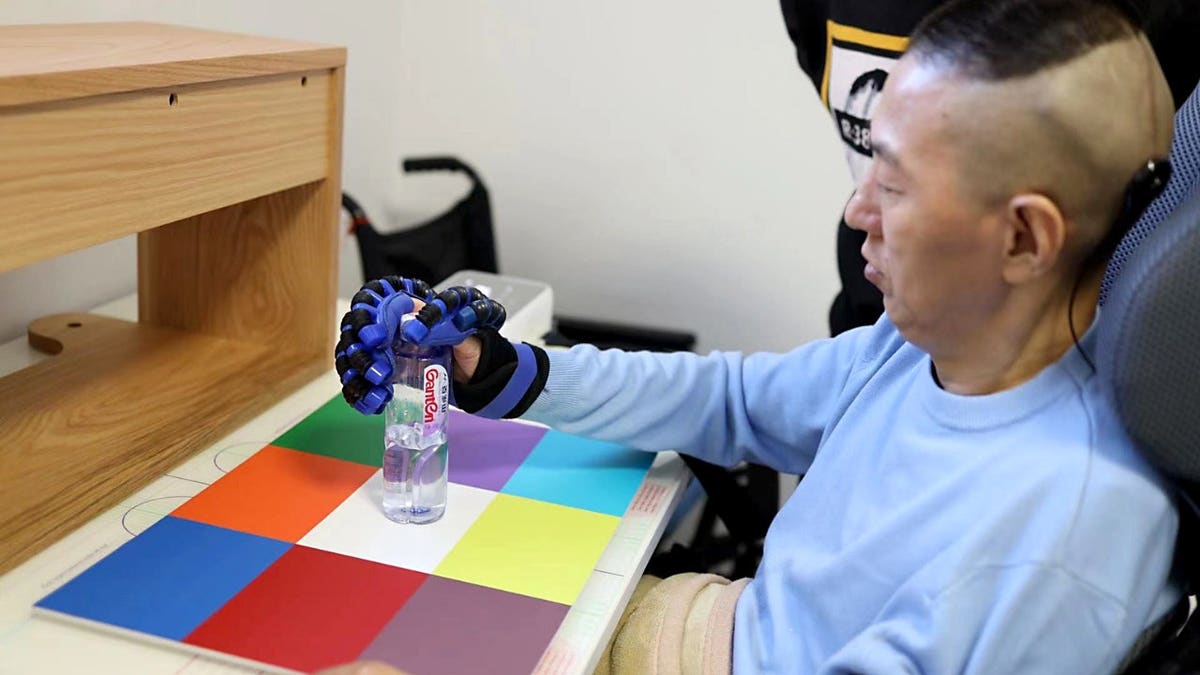
China has approved the world’s first commercial brain chip for medical use. The device, known as NEO, is designed for patients with paralysis. Developed by Tsinghua University and Neuracle Technology, NEO allows users to control devices through brain signals.
NEO Brain Chip: An Overview
The NEO brain chip serves as a brain-computer interface (BCI). It processes brain activity and converts it into commands for external devices. This development targets individuals with paralysis due to spinal cord injuries.
Unlike other implants that penetrate brain tissue, NEO is placed on the brain’s outer layer—the dura mater. This reduces invasiveness and potential surgical complications such as bleeding or infection.
“This technology offers promising benefits to patients, restoring independence and control over their environment.”
Privacy Concerns and Implications
Although the technology has significant medical value, data privacy concerns exist. BCIs collect neural data that could become sensitive as the technology advances.
Questions arise about the ownership and use of this data. Can it be sold or used for AI development? What if companies change privacy policies in the future?
Security is critical, particularly if the data assists critical tasks like movement or communication. Ensuring robust cybersecurity is essential to avoid compromising user safety and privacy.
Comparison with Neuralink
Elon Musk’s Neuralink is another prominent BCI developer, aiming to restore movement and communication. Although Neuralink is conducting human trials, it lacks broad FDA approval.
China’s NEO approval demonstrates the country’s commitment to advancing BCI technology and creating a competitive industry by 2030.
The Future of Brain Chips
As of now, brain chips focus on severe medical cases. However, the potential for broader applications captures global attention.
Protecting patient rights by providing clear data access and privacy information is crucial before expanding the technology’s reach.
Strong privacy and cybersecurity measures must accompany any promising medical advancements to ensure ethical implementation.
“The promise of BCIs is immense, but the ethical considerations are equally critical.”