
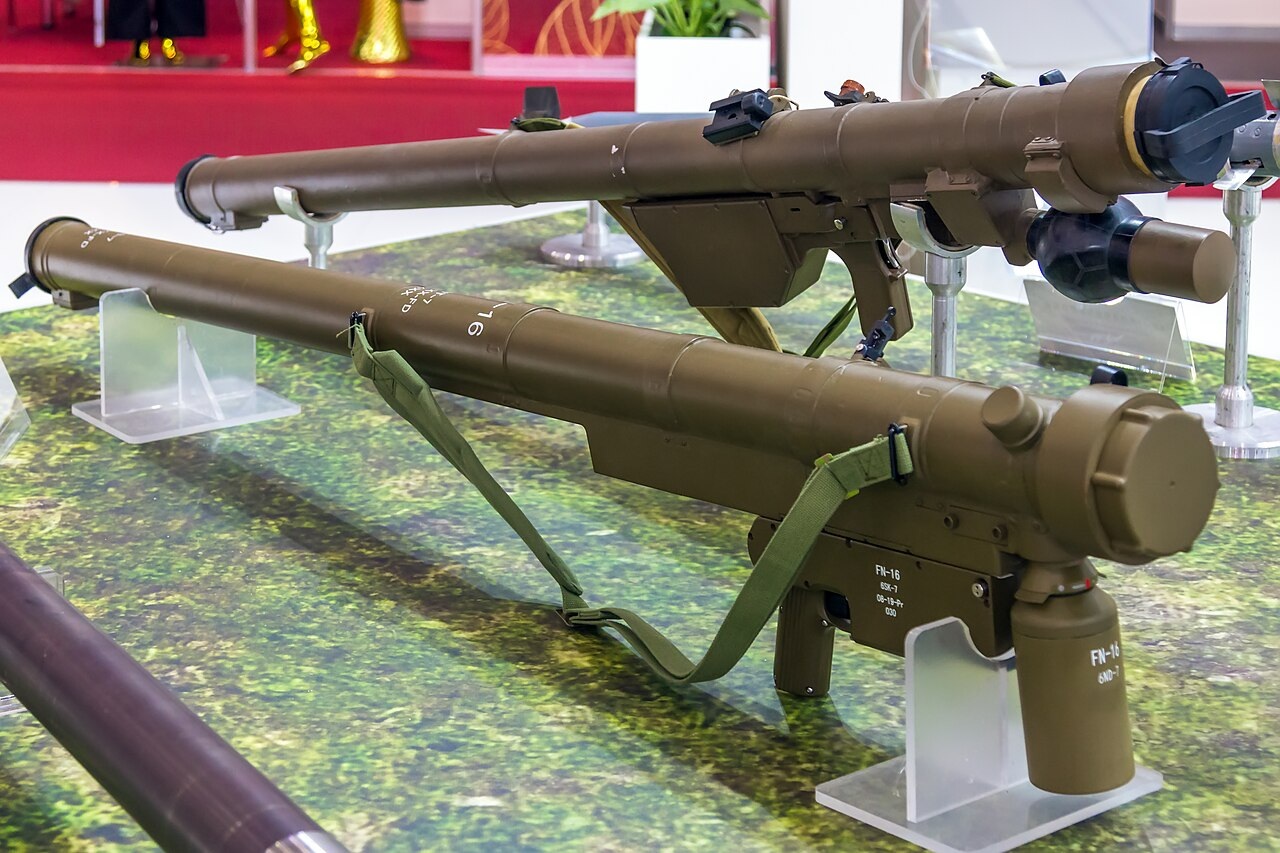
According to Reuters, a Chinese company is preparing to supply Iran with hundreds of portable anti-air missile systems. This move is part of Iran’s efforts to rebuild air defenses that were significantly damaged by strikes from the United States and Israel.
Despite Chinese President Xi Jinping’s assurance to U.S. President Donald Trump that Chinese firms would not arm Tehran, the report indicates otherwise. While China has been a political ally to Iran, it has historically limited its direct involvement in the conflict, opting instead for diplomatic measures. Reuters, along with other media outlets, suggests China may be providing Iran with satellite imagery of U.S. military sites in the Gulf.
Details of the Arms Deal
The deal between Iran and Zhongqing Baoshang International Investment reportedly involves a transaction worth $60-70 million for 300-400 shoulder-fired man-portable air defense systems, according to anonymous sources familiar with the situation. The Hong Kong-based firm is said to act as an intermediary for the Chinese supplier, with the shipment including FN-16 and QW-12 missile systems.
Despite Newsweek’s attempts to reach out for comment, both Zhongqing Group and the Chinese and Iranian foreign ministries have yet to respond. The transportation plan entails flying the weapons from Urumqi in China’s Xinjiang region to Pakistan, subsequently transporting them to Iran. The precise specifics of the delivery, including the route’s second segment by air or road, remain uncertain.
Responses to the Allegations
China’s Foreign Ministry has firmly denied the reports, labeling them as “completely groundless,” according to Reuters. Likewise, Pakistan’s military public relations division dismissed the claims as “absolutely concocted and false.” Concurrently, a White House official emphasized that external attempts to bolster Iran don’t enhance their capacity to target Americans.
Diplomacy Amid Tensions
During Trump’s visit to Beijing in May, Xi Jinping pledged not to deliver or sell weapons to Iran “under any circumstances,” including via Chinese companies. Trump reiterated this commitment through a social media post, noting that Russian President Vladimir Putin similarly assured him Moscow wasn’t providing arms to Tehran.
Following a series of strikes, the U.S. paused its aerial attacks against Iran to foster a diplomatic dialogue, leading to a ceasefire on April 8. A memorandum of understanding, facilitated by Pakistan in June, set the stage for a push toward a lasting peace agreement over a 60-day period. In the interim, Chinese-made systems such as the C-802 anti-ship missile and Iranian derivatives have been utilized by Iranian proxies against regional targets, intensifying tensions.