
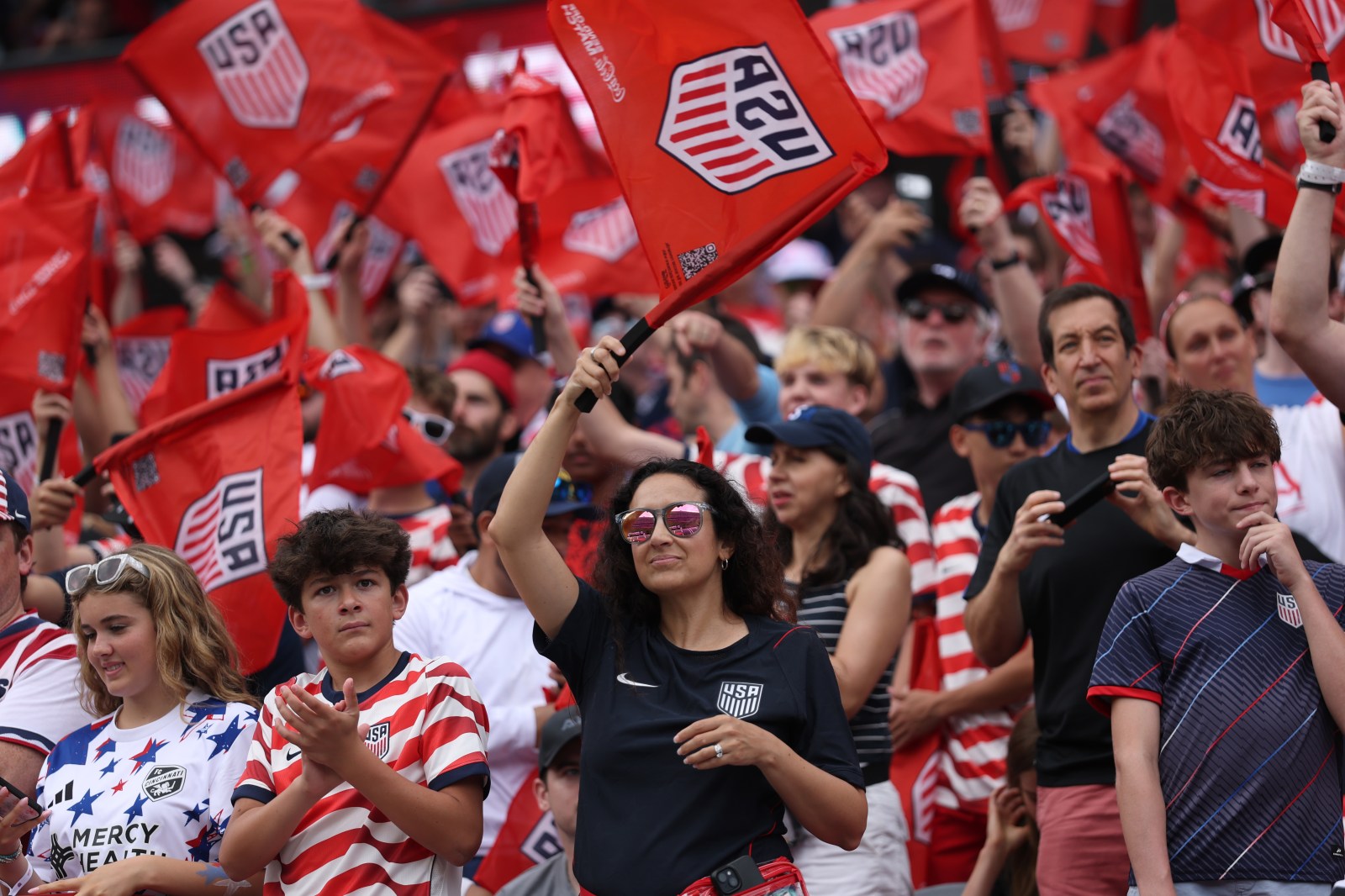
The 2026 FIFA World Cup has commenced with an unprecedented scale, featuring 48 national teams competing across the United States, Canada, and Mexico. This event will include 104 matches in 16 different stadiums. For comparison, the 2022 World Cup in Qatar had 64 games in eight venues. The first match between Mexico and South Africa is scheduled at Estadio Azteca in Mexico City on June 11. The final will be held on July 19 at New York New Jersey Stadium in New Jersey.
Despite the wide array of host cities, Chicago will not be one of them. Known for its rich sports culture, Chicago will not host any World Cup games. Former mayor Rahm Emanuel explained his reasoning to The Athletic. He stated, “We were on the front end of the bad side and the back end of the good side. I don’t know what any other mayor or governor is doing, but do you expect me to treat the Chicago taxpayers as the dumb money at the table? You’ve got to be kidding me.”
A significant point of contention was a FIFA contract clause allowing the organization to request a dome over Soldier Field, potentially costing $50 to $100 million. Emanuel opposed this. He recounted FIFA’s assurance they had never exercised this clause but refused to remove it. Emanuel said, “Not a chance am I going to have you tell me on a $50 to $100 million expense, and you’re the one directing me to come up with that money, which means the taxpayers. That was the straw that broke the camel’s back.”
“You can’t have something in there that leaves the city and the taxpayers exposed, and you get to decide it, and I have no vote in it,” Emanuel emphasized.
To qualify as a host city, candidates needed to fulfill various requirements set by FIFA. These included stadium enhancements, security agreements, and infrastructure improvements, as well as tax exemptions on ticket sales. Additionally, large fan festival areas and commercial exclusion zones around venues had to be established, sometimes lasting two months. Chicago found one clause troubling: FIFA’s right to demand a dome on Soldier Field.
Chicago’s official statement highlighted FIFA’s inability to provide certainty on crucial matters, risking city and taxpayer funds. The statement pointed out FIFA’s “inflexibility and unwillingness to negotiate” as reasons why hosting World Cup matches would not benefit Chicago.
Following Chicago’s withdrawal, FIFA selected other U.S. cities like Atlanta, Boston, Dallas, Houston, Kansas City, Los Angeles, Miami, New York/New Jersey, Philadelphia, and San Francisco as hosts for the World Cup matches.