
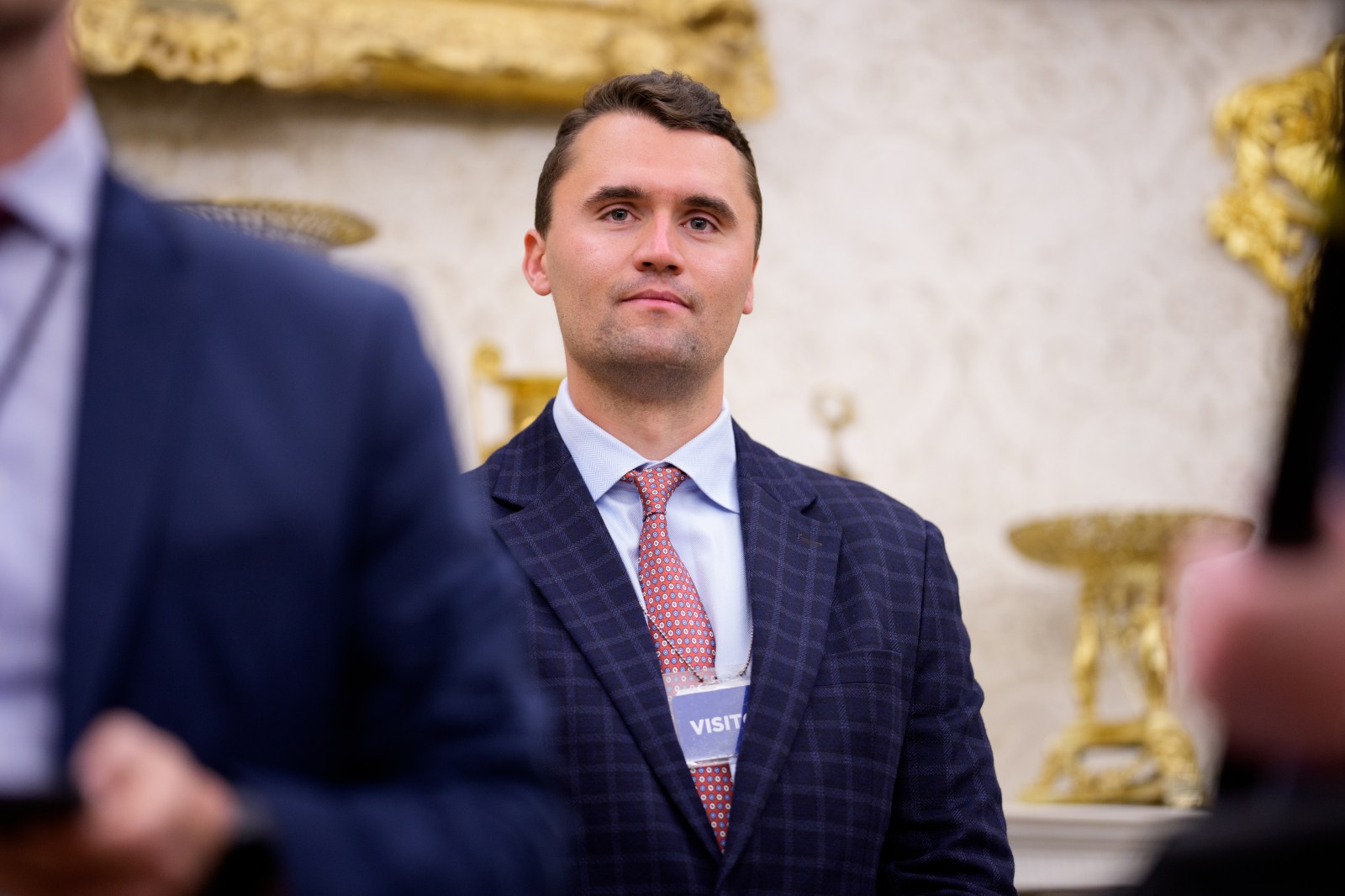
Charlie Kirk’s death marked the end of a polarizing career in American politics, but the debates around him continue. On the first anniversary of his death, thousands honored the conservative activist while others celebrated online. These reactions sparked backlash across campuses, workplaces, and social media. The focus shifted from Kirk himself to discussions about the boundaries of political expression and personal consequences.
A Controversial Commemoration
The anniversary involved both commemoration and controversy. At the Republican National Committee’s convention in Dallas on September 10, speakers honored Kirk’s impact on the conservative movement. Shortly after, a statue of the Turning Point USA founder at the organization’s Arizona headquarters was vandalized, showing his divisive legacy.
Carnegie Mellon Professor in the Spotlight
Uju Anya, an associate professor at Carnegie Mellon University, faced scrutiny for participating in online posts on Kirk’s death anniversary. She referred to Kirk in derogatory terms and expressed hopes for his posthumous suffering. As criticism rose, users unearthed older posts, including a 2021 comment directed at another user.
Screenshots circulated widely, leading Carnegie Mellon to announce Anya was on a voluntary professional leave. The university expressed concern over what it called “hostile and threatening social media posts” and began a review. Prominent figures like Elon Musk amplified the spotlight on Anya’s posts.
Students and Social Media Repercussions
Anya’s situation is not isolated. At the University of Utah, student Sara Larsen apologized after a photo showed her with a cake that bore the words “Happy Kirkiversary.” The image spread on social media, drawing accusations of celebrating Kirk’s assassination.
As the controversy grew, Larsen issued a public apology, acknowledging her poor judgment and expressing regret. She emphasized she did not mean to glorify violence. The University of Utah’s College Democrats criticized the exposure of Larsen’s identity and the targeting beyond her initial post.
In Washington state, the Port Angeles School District responded to a photo of a student in a T-shirt mimicking Kirk’s with “Freedom” and fake blood. The district denounced clothing promoting violence and stated it was taking appropriate action.
Job Losses and Immigration Issues
The aftermath crossed educational boundaries. Canadian citizen Sabrina Messa, living in Los Angeles, reported job loss and notice to leave the U.S. after sharing memes about Kirk’s death. Criticism of her posts grew, leading to her firing and visa revocation.
Deputy Secretary of State Christopher Landau emphasized that U.S. visas are a privilege, not a right. The State Department’s stance aligns with prioritizing national security and public safety. Messa acknowledged her posts were insensitive and accepted responsibility.
A Lingering Debate
The consequences of public expressions regarding Kirk’s death remain contentious. Supporters of repercussions argue that celebrating a political figure’s assassination should lead to professional and social consequences. Critics suggest some responses aim to harm educational and career prospects.
One year after Kirk’s death, the debate continues. The incident highlights how social media posts can influence reputations and controversies long after posting.