
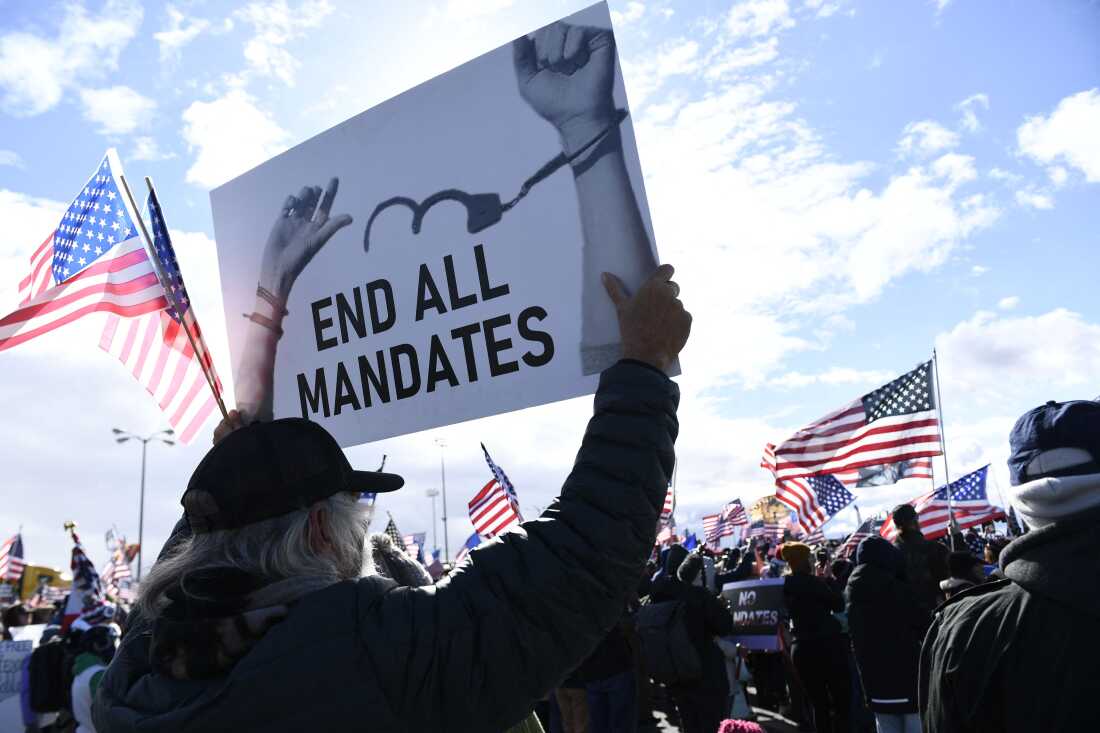
In February 2022, demonstrators in Adelanto, California, including truckers, protested against COVID-19 vaccine and mask mandates. This event highlighted a broader trend where many state and local health officials in the U.S. have experienced reduced power to manage diseases compared to the COVID-19 pandemic period.
A backlash against COVID-era restrictions prompted some regions to weaken public health authorities. Lawrence Gostin, a professor of public health law at Georgetown University, noted the widespread reaction, particularly in conservative states. These changes are attributed to perceptions of governmental overreach.
The Trump administration’s policies have also impacted the Centers for Disease Control and Prevention (CDC) through budget cuts and staff reductions. Despite the influence of federal policies, primary public health power lies with states. Over half of them have adjusted their health authority, which affects their readiness for emergencies, according to the Network for Public Health Law.
Fifteen laws in 11 states, such as Alabama and Virginia, now impose new limitations on declaring public health emergencies. Declarations crucial for mobilizing disease-fighting resources and reducing bureaucracy are now constrained.
Shift in Legislative Control
Dr. Georges Benjamin of the American Public Health Association highlighted that in some states, legislative bodies now have more significant influence over public health actions. Legislative approval might be necessary for measures that previously were under public health officials’ discretion.
States like Kansas and Utah have restricted traditional public health measures, including quarantine and isolation. Elizabeth Platt from Temple University mentioned that these developments could lead to confusion, as understanding governmental authority needs time, a critical factor during emergencies.
Resistance to COVID Mandates
States such as Florida and Texas have retracted authority related to mask mandates and other restrictions. This scaling back of authority has drawn parallels to limiting police powers during emergencies, according to Benjamin.
Additionally, some state and local health departments face reduced staff and resources. Public health officials are also more cautious due to past harassment and intimidation. In some cases, officials opposing the pandemic measures now occupy positions of influence.
Gostin observed that non-traditional public health figures, with differing political affiliations, lead some public health institutions, leading to diminished authority and support.
Nonetheless, there’s backing for these changes to enhance accountability and respond to critiques of previous COVID measures. James Hodge of Arizona State University emphasized the importance of accountability in using restrictive health measures.