
Strong Demand Amid Rising Beef Prices
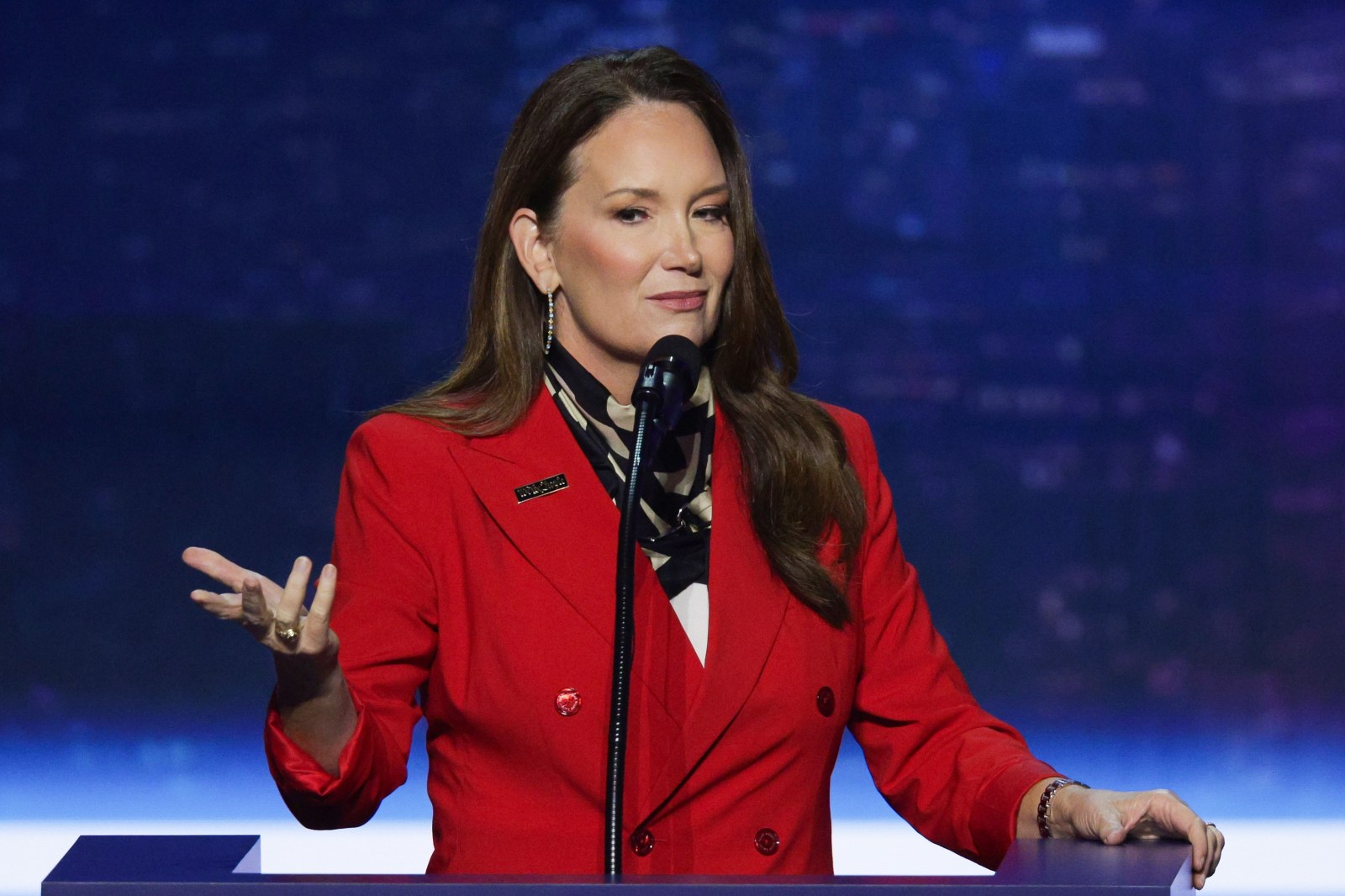
Agriculture Secretary Brooke Rollins stated that demand for beef is strong despite increasing prices. Many Americans remain willing to pay higher costs to secure meat for their families. Affordability continues to be a crucial issue for the Trump administration, especially with the 2026 midterm elections approaching. In his 2024 election campaign, President Donald Trump focused on battling price hikes, though Americans still encounter high costs, notably for beef.
In August 2026, the U.S. Bureau of Labor Statistics reported the price of uncooked ground beef had reached $7.16 per pound. During an interview on The Benny Show, Rollins attributed sustained beef prices to various factors. She criticized Democrats for allegedly dismantling cattle herds and restricting grazing lands, along with the fallout from the New World screwworm.
High demand driven by the MAHA movement also affects prices. Rollins pointed out the shift in dietary guidelines by Bobby Kennedy and MAHA, elevating beef’s priority. Consequently, Americans are keen on beef, which they consume more than any other country. Despite rising prices, Americans continue to purchase beef, preferring this protein source for their families.
Rising Beef Prices: Causes and Effects
Beef prices have steadily grown over recent years. The Bureau of Labor Statistics reported an increase from $7.116 in July 2026 to $7.158 in August 2026, a record high compared to $6.631 a year prior. Increasing prices have been linked to a declining domestic cattle population in the United States.
A June 2026 report by the Coalition for a Prosperous America highlighted reasons for price increases, including a drop in U.S. cattle numbers to 86.2 million—the lowest in 75 years. Additionally, there are over 450,000 fewer cattle ranchers than in 1997. Drought further exacerbates the crisis, with 75% of the beef cow herd affected, according to the report.
Farmers face other challenges, particularly rising diesel prices vital for agricultural operations. As of Monday, AAA reported a national average diesel price of $6.5107. Rollins linked increased costs to climate change policies from former President Joe Biden’s administration, suggesting they discouraged cattle herd expansion.
Trump Administration’s Measures
The Trump administration has enacted measures to tackle beef cost issues. In August, Trump signed two executive orders to aid ranchers. One prompted the Secretary of the Interior to assess whether gray or Mexican wolves should be considered for delisting or downlisting under the Endangered Species Act, as indicated by the USDA. The other directed updates on rancher compensation standards due to predator losses.
The executive orders also included a review of beef product country-of-origin labeling. The second order instructed USDA to prioritize investigations into potential violations of the Packers and Stockyards Act and enhance Cooperative Interstate Shipment and Talmadge-Aiken programs to permit state-inspected meat distribution across state borders.
White House spokesperson Anna Kelly stated that Trump’s actions, such as negotiating trade deals and enhancing market access, have greatly benefited the agricultural sector.
Controversial Beef Import Plan
One Trump policy facing industry scrutiny entails waiving import tariffs on beef. In August, Trump revealed a plan allowing up to 300,000 metric tons of ground beef imports without out-of-quota tariffs for 90 days. However, this plan has faced criticism from ranchers and Republicans worried about domestic impacts.
The National Cattlemen’s Beef Association expressed disappointment, citing potential harm to American cattle markets caused by surplus below-market beef. Senate Republican Tim Sheehy voiced concerns about the plan’s negative effects on American ranchers’ herd rebuilding efforts and its impact on ranching families.
Newsweek editors Gabe Whisnant and Sam Wilson were contacted regarding this story.