
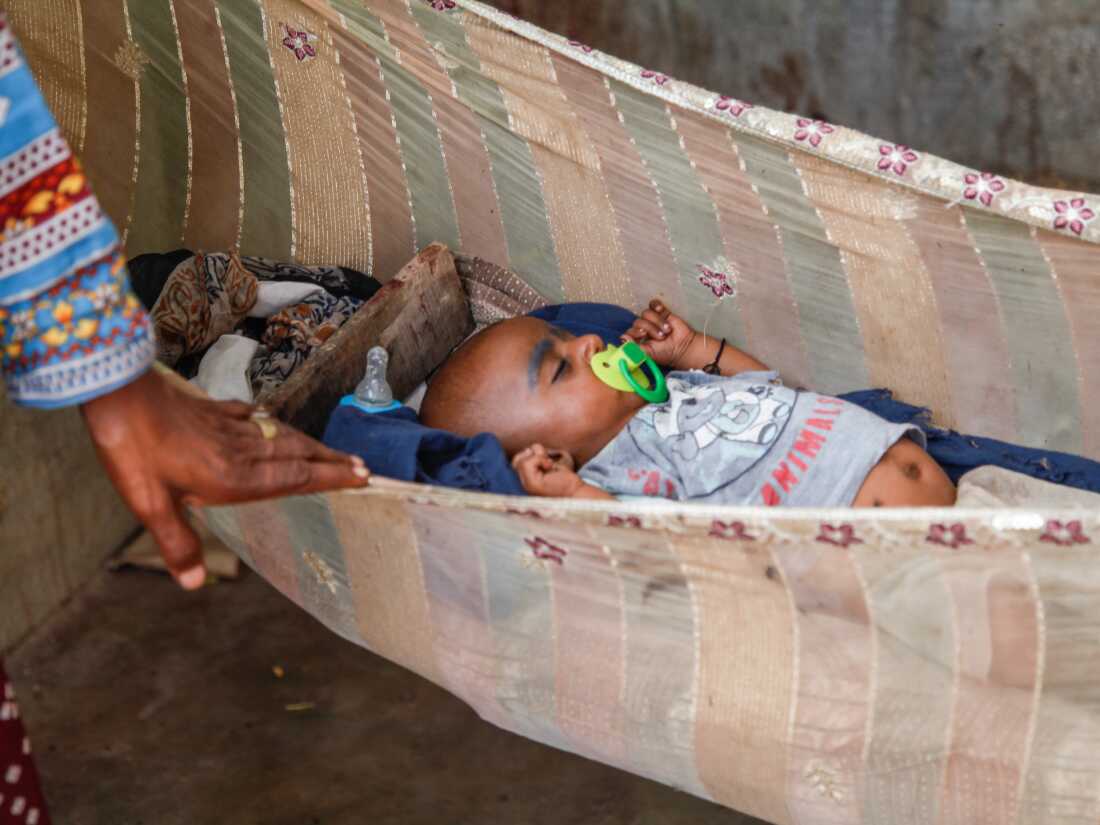
The small fishing community of Rehri Goth, near Karachi, Pakistan, faces a troubling reality. About one in four babies here are born prematurely, a rate nearly double the national average. This area exemplifies the struggles faced by many communities in low-income countries where access to healthcare is limited and survival rates for preterm babies are low.
Premature Birth: A Community’s Struggle
Mariam, a young mother in Rehri Goth, hopes for the best for her prematurely born son, Ladoo. Many families, like hers, cannot afford medical care and rely on home remedies. Her story is not unique in this settlement. Sughran, another resident, lost two preterm children because of the lack of timely medical intervention.
Premature birth rates here are concerning, with environmental factors like malnutrition, heat, and poor sanitation contributing to the problem. While these issues are present in other countries, Pakistan’s rate remains exceptionally high.
The Role of the Microbiome
Researchers at Agha Khan University are exploring the connection between the microbiome and premature births. Their studies indicate that the presence of the bacterium Prevotella copri may be linked to full-term births. Women lacking this bacterium are more likely to deliver preterm.
Although the research is promising, Dr. Fyezah Jehan emphasizes that more studies are needed. This is particularly true in a region where data on the gut microbiome is limited. Their ongoing research aims to determine if introducing Prevotella copri to at-risk women could improve outcomes.
“A lack of Prevotella copri is associated with premature birth. This can be used to identify at-risk women,” says Dr. Vincent B. Young.
However, Dr. Young warns that association does not imply causation. Simply providing more of the bacterium may not address the underlying issues causing its deficiency.
Possible Interventions
Improving basic infrastructure like sanitation and education is suggested as long-term solutions to tackle premature birth. Yet, these are challenging to implement due to resource constraints and perceived corruption in local governance.
Jehan points out that major donors prefer funding scientific research in controlled settings rather than investing in societal infrastructure.
The Daily Fight for Survival
Mariam’s struggle to care for her son, Ladoo, illustrates the day-to-day challenges faced by new parents in Rehri Goth. Medical advice here can be inappropriate and dangerous. For instance, when Ladoo had diarrhea, she was incorrectly advised against breastfeeding, which could have harmed him further due to unsafe local water sources.
The reliance on alternatives like Cerelac, which is not nutritious enough as a sole diet for infants, is prevalent. Without adequate knowledge or resources, families make do with what is available, often at the risk of their children’s health.
Efforts to support premature babies in Rehri Goth are ongoing, with families doing all they can to ensure survival. The issue highlights the urgent need for better healthcare, education, and infrastructure in the community.