
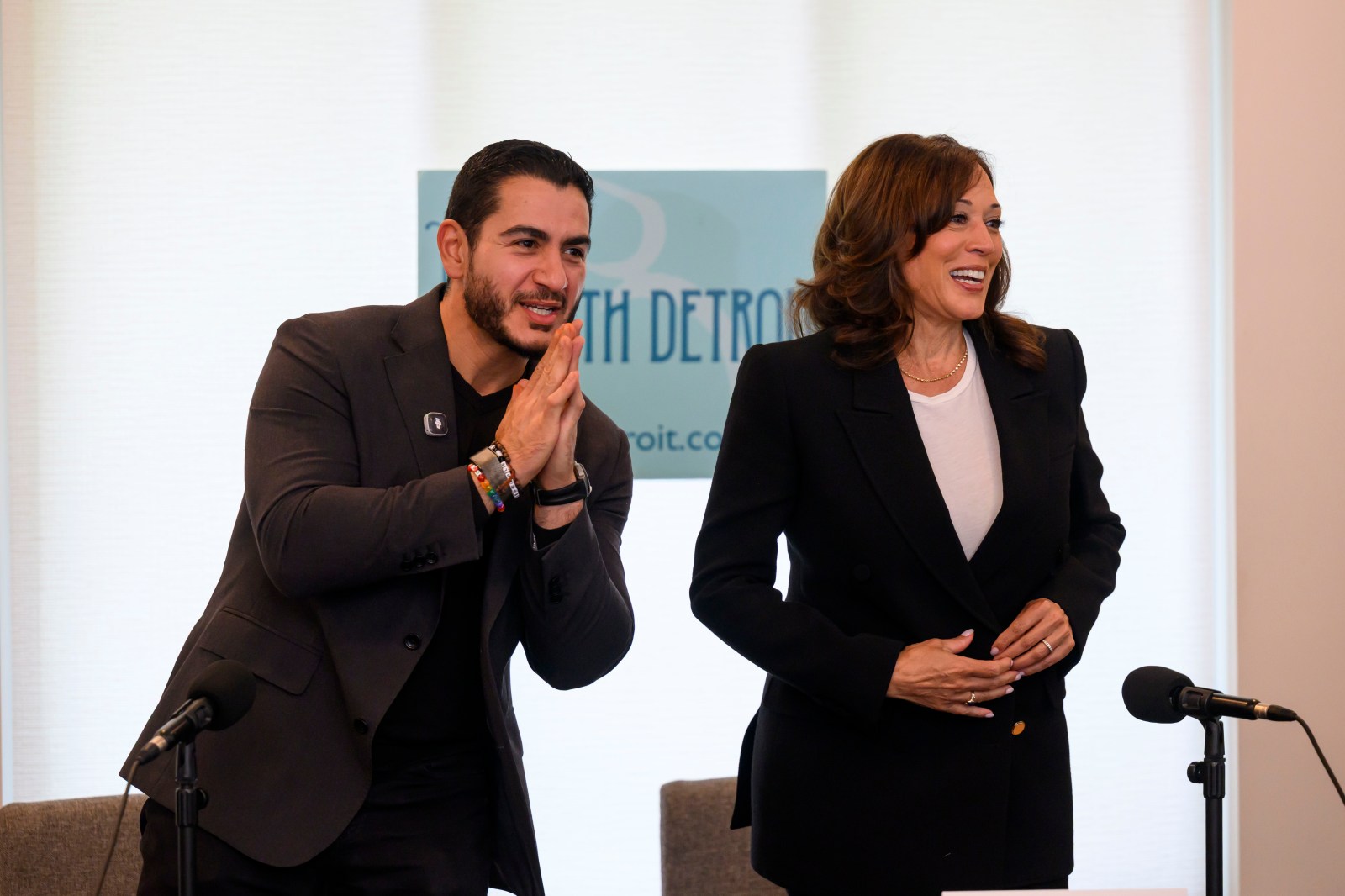
Abdul El-Sayed, a Democratic Senate candidate from Michigan, faces scrutiny regarding his appeal to Black voters as the midterm elections approach. This scrutiny raises questions about his ability to secure a crucial segment of the Democratic coalition, which is vital in a pivotal Senate race. Democrats must gain four seats to reclaim Senate control, making the race in Michigan, where retiring Senator Gary Peters’ seat is at stake, particularly significant. Black voters have historically played a key role in Democratic successes in Michigan, and even a small decline in their turnout or support may be decisive.
Polling Insights on Black Voter Support
Recent polls show El-Sayed enjoys substantial support from Black voters, though his numbers do not reach the heights achieved by previous Democratic candidates in Michigan. A Data for Progress poll from October 23–25 indicates that 82% of Black likely voters support El-Sayed, as opposed to 15% for Republican Mike Rogers. For comparison, Kamala Harris received 87% of the Black vote in Michigan during the 2024 presidential election. Democratic Senator Elissa Slotkin gained 85% in her campaign against Rogers in 2024. While Harris lost, Slotkin narrowly won despite lower Black support.
Historical data reveals that Joe Biden secured 92% of Black votes in Michigan during his 2020 presidential campaign, while Senator Peters gained 90% during his reelection. These comparisons suggest El-Sayed may capture fewer Black votes than recent Democratic candidates. However, the poll shows El-Sayed slightly outperforming Jocelyn Benson, the Democratic gubernatorial nominee with 79% support among Black voters.
The Importance of Black Voters
Michigan’s population of around 10.1 million includes approximately 1.4 million Black residents, making up 13.9% of the state’s population. Black voters have historically been integral to the Democratic coalition, especially in areas like Detroit, Flint, Pontiac, and Saginaw. Their turnout is crucial in a state known for tight elections. Trump won Michigan by about 10,700 votes in 2016, but Biden flipped the state by around 154,000 votes in 2020. Trump defeated Harris by approximately 80,000 votes in 2024. Black voters comprised roughly 11% of Michigan’s electorate in 2024, meaning minor changes in their turnout or preferences could sway a close race.
Democratic Divisions
El-Sayed’s relationship with Black voters has been scrutinized since narrowly defeating Haley Stevens in Michigan’s August Democratic Senate primary. Stevens performed well among Black voters and won Wayne County, including Detroit, by 51% to El-Sayed’s 45%. She advised El-Sayed to address Black voter concerns, which remains unfulfilled. Despite tensions over Israel and campaign messaging, Stevens supports El-Sayed, though some Democratic leaders worry her voters may be less motivated for the general election.
El-Sayed, supported by Bernie Sanders, emphasizes affordable healthcare, economic inequality, and opposition to Trump’s policies. He has garnered backing from prominent Black Democrats, including Barack Obama and Kamala Harris. Georgia Senator Raphael Warnock and others have also supported his efforts. El-Sayed has focused on Detroit and other Black communities, stressing healthcare access and economic opportunities. Rogers targets Black voters, proposing initiatives for housing, employment, and food access in Detroit. El-Sayed dismisses Rogers’ potential gains, noting Rogers would support Trump’s agenda.
Polling Data
Three major polls show El-Sayed leading Rogers statewide despite concerns over Black voter enthusiasm. A CNN/SSRS survey from October 20–27 reports El-Sayed ahead by seven points, 49% to 42% among likely voters. Data for Progress shows El-Sayed leading 50% to 46% in its October 23–25 survey. A Marist poll from October 15–18 indicates a tighter race, with El-Sayed holding a 50% to 48% advantage over Rogers. Though these polls present different margins, El-Sayed consistently leads.
Implications for Senate Control
Democrats need a net gain of four Senate seats in November to regain the majority. Michigan, presently represented by Peters, is crucial. Losing Peters’ seat necessitates gaining an additional Republican-held seat, complicating the path to a majority. Democratic opportunities in states like Maine, Texas, Ohio, Iowa, and Kansas have become more competitive amid dissatisfaction with Trump, though these races remain uncertain. El-Sayed must ensure strong voter turnout among traditional Democratic supporters. His polling indicates overwhelming Black voter support, the realization of which may not only decide his political future but also determine Senate control.