
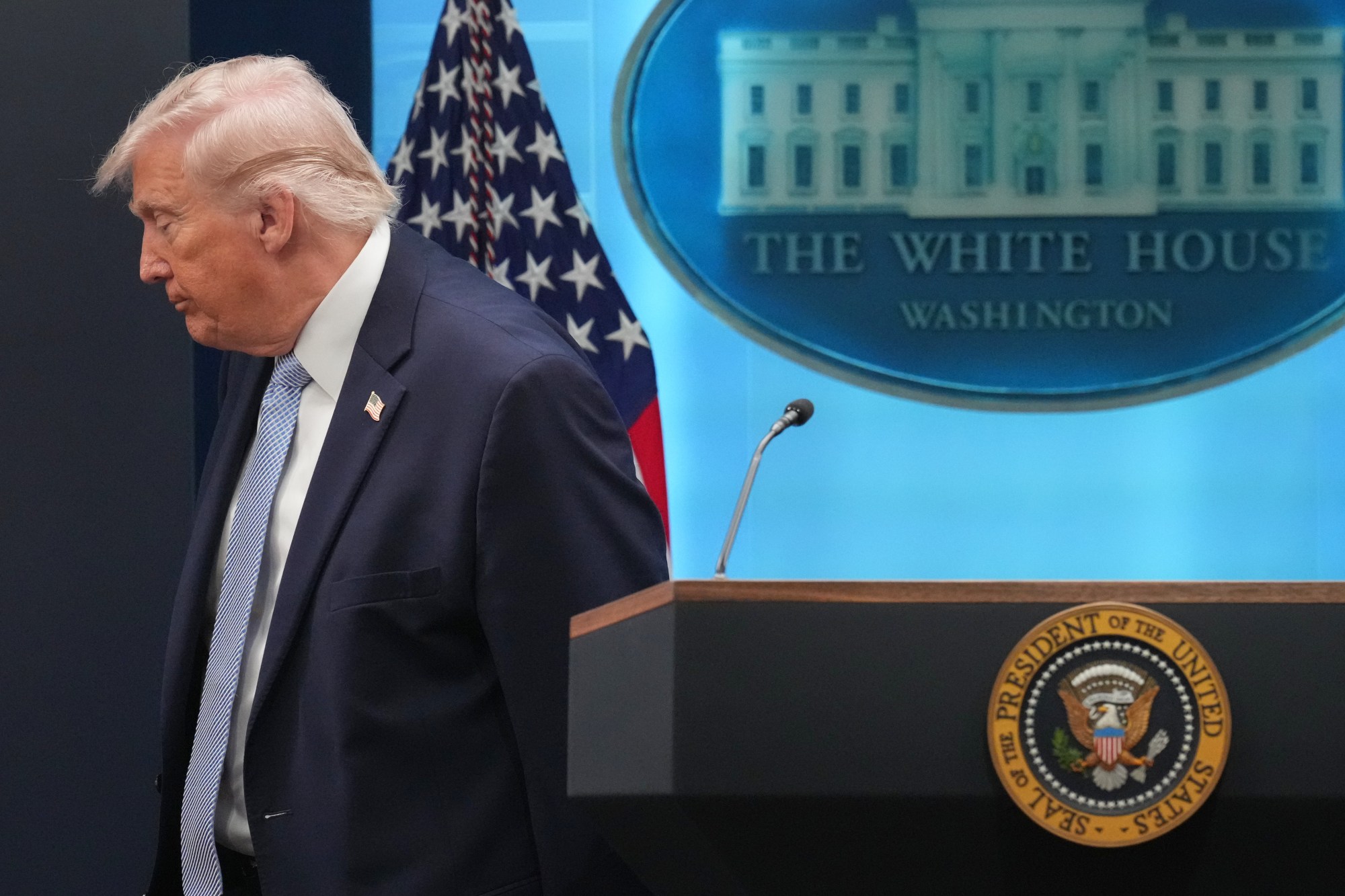
Iran’s recent non-compliance with a U.S.-negotiated ceasefire highlights the challenges of trusting the Islamic Republic’s commitments. President Donald Trump’s agreement with Iran has been criticized for worsening U.S. and Western interests compared to previous deals like President Obama’s Joint Comprehensive Plan of Action. The JCPOA was criticized for inadequate control over Iran’s nuclear activities and for providing $300 billion to Iran. In contrast, Trump’s deal reportedly offers even more concessions to Iran and its allies.
Despite setbacks to Iran’s military programs, Trump reportedly committed significant financial resources to Iran, labeled as reparations for U.S. bombings. This commitment, involving Gulf States and private investors, does not include compensation for American military and civilian losses caused by Iran. Additionally, Iran’s recent actions have inflicted damage without offsetting reparations to affected nations like Israel or accounting for Iran’s profits from sanctions-defying oil sales.
The impact of the conflict on U.S. credibility, especially against nations like China, Russia, and North Korea, is significant. These adversaries have observed Trump’s reluctance to maintain prolonged confrontations without strong U.S. allies. Although Trump has shown willingness for decisive military actions that achieve quick results, his record in places like Ukraine and Venezuela indicates a lack of sustained commitment.
The Iran conflict also reveals vulnerabilities in the economic infrastructure, particularly concerning maritime straits vital for global trade. The Taiwan Strait is as essential for shipping as the Strait of Hormuz is for oil transport. Defending these narrow waterways requires strategic planning and defensive measures to mitigate threats from basic conventional weapons.
For the U.S., coalition defense planning with allies is critical to counter threats before they escalate. Defending key interests and building credible deterrence through diplomatic efforts are paramount. Trump’s diplomatic skills are crucial for rallying allies like NATO Secretary-General Mark Rutte in collective defense strategies.
Joseph Bosco, formerly with the Department of Defense, advocates for regime change in Iran to remove a major adversary from the geopolitical equation. Such actions would need to be part of a broader strategy for ensuring stability and protecting international trade routes.