
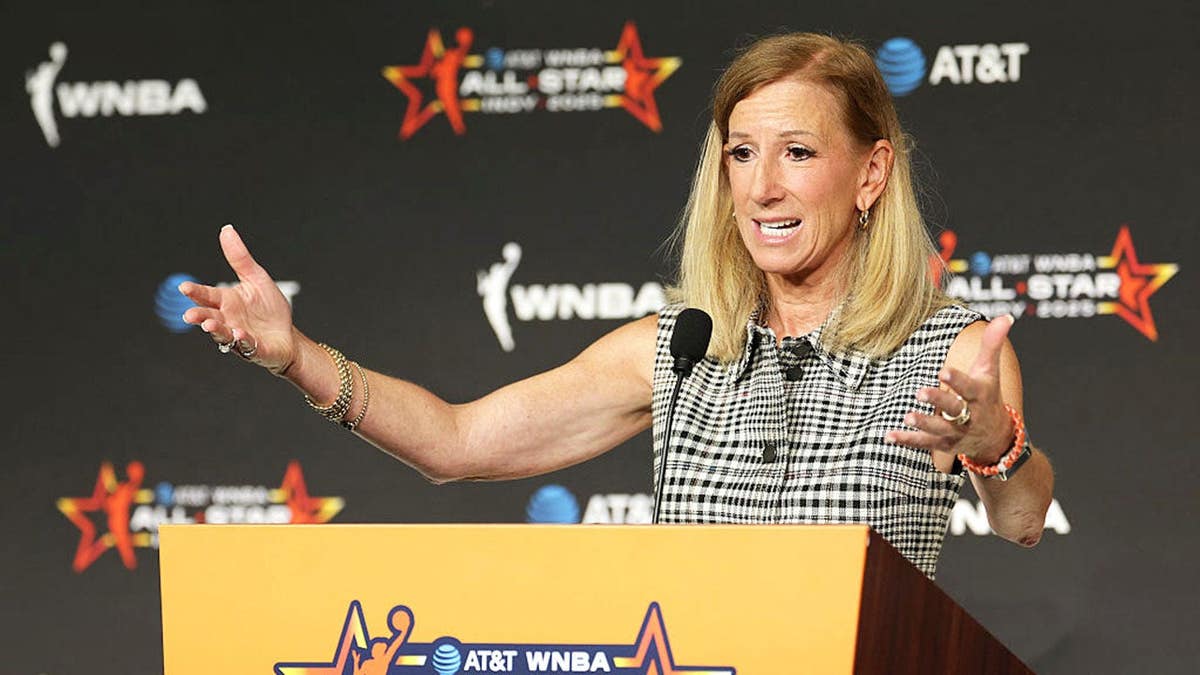
WNBA Commissioner Cathy Engelbert announced her retirement following the 2026 season, marking the end of her seven-year tenure. Taking charge in 2019, Engelbert became the WNBA’s first commissioner. Under her leadership, the league expanded its reach and value significantly.
League Expansion and Media Rights
The WNBA grew in size and visibility through major media-rights agreements and the introduction of charter travel for teams. Additionally, player compensation saw significant increases as a result of a new collective bargaining agreement. Adam Silver, NBA Commissioner, praised Engelbert’s tenure as a period of unprecedented growth for the WNBA.
Engelbert’s Complex Role
Despite these successes, Engelbert’s time as commissioner was not without challenges. Maintaining player relationships proved difficult. The league’s reputation faced scrutiny amid various controversies, and managing these issues was a critical aspect of her role. While the on-court quality improved, controversies overshadowed her term.
Political Transformation During the ‘Wubble’ Season
The COVID-19 pandemic led to the 2020 season being held in a controlled environment known as the ‘Wubble’ in Florida. This period marked the WNBA’s increased engagement in social-justice issues, as players displayed social-justice messages and supported racial-justice initiatives. This shift aligned the league with divisive political views, which alienated some fans.
Dearica Hamby Pregancy Controversy
One significant controversy involved former Las Vegas Aces player Dearica Hamby, who reported mistreatment after announcing her pregnancy. The league’s investigation led to sanctions against the Aces. This incident highlighted the need for better protection of pregnant athletes in professional sports.
Introduction of Charter Flights
Travel logistics for WNBA teams, who traveled commercially due to economic constraints, became a major issue. Player safety and fatigue concerns prompted the introduction of a league-wide charter program in 2024. This move came as a result of growing attention and revenue, spurred by figures like Caitlin Clark.
Officiating Challenges and Caitlin Clark
With rising star Caitlin Clark’s popularity, the league faced challenges in managing gameplay and officiating. Issues of physicality and inconsistent officiating raised concerns among fans. Engelbert’s response involved forming a committee to address these issues, though results were lacking.
Revenue Sharing and Player Compensation
Despite rising popularity, the WNBA struggled with profitability under Engelbert’s leadership. Players’ demand for better compensation came to a head during the 2025 All-Star Game, linking revenue-sharing disputes with increasing league revenues.
Napheesa Collier’s Criticism
In 2025, Lynx star Napheesa Collier criticized league leadership harshly, including Engelbert’s management regarding player concerns and inadequate accountability. This public accusation severely affected Engelbert’s standing with players.
Transgender Athlete Debate
Engelbert faced challenges regarding the inclusion of transgender athletes and eligibility rules. Efforts to address these questions through a task force achieved little resolution, reflecting the league’s struggle to balance inclusivity with deeply divisive issues.
Engelbert’s Legacy
Under Engelbert, the WNBA became known as a politically active league, adopting stances on various social issues. While aiming to broaden its appeal, these positions alienated some fans. The need for a commissioner focused on unifying fans around the sport remains vital.