
A recent court decision has allowed cameras in the courtroom for the trial of Tyler Robinson, accused of murdering Charlie Kirk. Donna Rotunno, a criminal defense attorney, elaborated on this significant ruling. She highlighted the defense’s unsuccessful attempts to argue potential prejudice and the shift of preliminary hearings to July 6-10. Rotunno discussed the nationwide interest in this case and the role of media access in ensuring transparency.
The legal team for Robinson had urged a Utah judge to exclude the public from sections of a crucial hearing and to seal potentially sensitive evidence. This plea followed their failure to have media cameras removed from the courtroom. Court documents disclose that the prosecution intends to present various pieces of evidence. This includes records from the Discord app, text messages, videos of the incident, and a note.
The defense wishes to prevent public access to evidence and testimony, arguing that some may later be deemed inadmissible at trial. Prosecutors, however, have opposed this, citing the defense’s late filing and the lack of specific details on which materials should remain confidential.
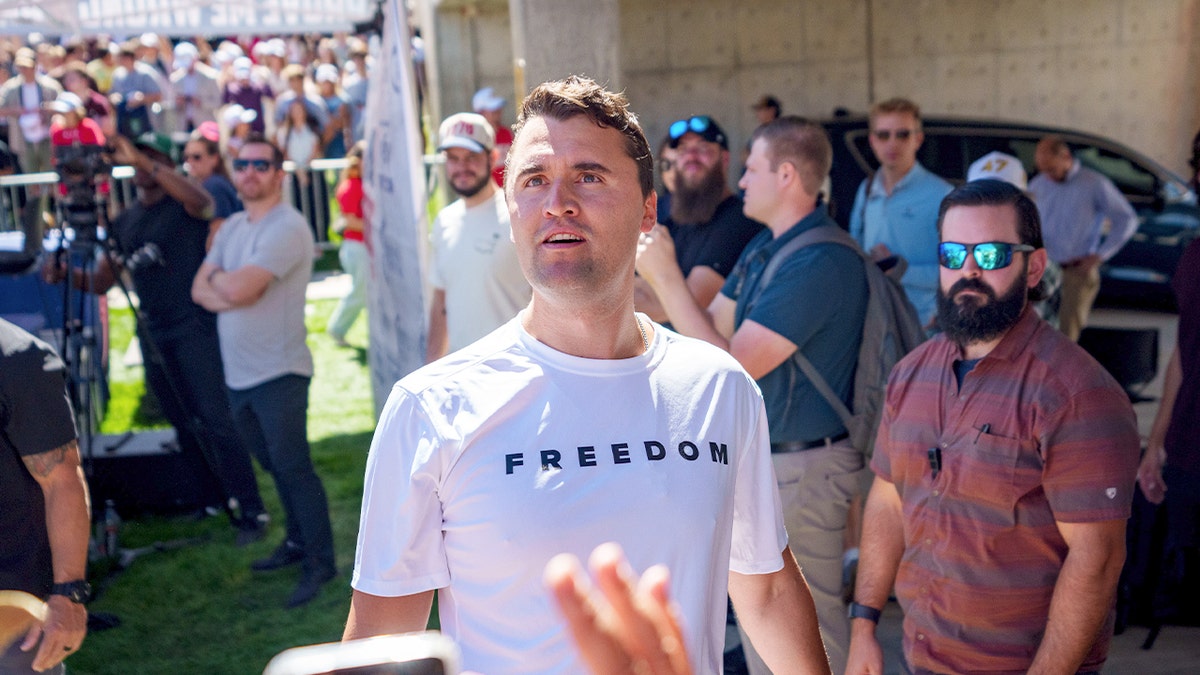
Robinson, 22, allegedly fatally shot Kirk, 31, on September 10, 2025, during a public event at Utah Valley University. Kirk, speaking before an audience of around 3,000 during a Turning Point USA event, was hit by a bullet as he answered a question.
Led by attorney Kathy Nester, Robinson’s defense team requested a hearing from Judge Tony Graf Jr. The objective is to determine whether testimony and exhibits at the forthcoming preliminary hearing can be sealed. This hearing will present evidence to establish probable cause against Robinson.
Legal analyst Randolph Rice commented on this strategic move by the defense. He noted that sealing parts of the hearing aims to protect the jury pool from potential bias. Preliminary hearings differ from trials in the permissibility of certain evidence. Prosecutors may present evidence and hearsay that might never reach a trial jury. The defense seeks to suppress public dissemination to maintain jury impartiality.
If found guilty, Robinson might face the death penalty. Defense attorneys often raise multiple issues to safeguard the defendant’s rights under such grave circumstances. By requesting limits on cameras and public access, they aim to ensure a fair trial and mitigate future appellate issues.
Prosecutors have countered the defense’s requests by offering to exclude DNA evidence from the hearing. They assert having sufficient probable cause without it. Despite ongoing disputes, Judge Graf agreed to postpone the hearing until early July, expected to last four days.
A coalition of media outlets, including Fox News Digital, has opposed restricting the hearing to the public. They argue that such proceedings are normally public unless specific circumstances justify closure.
Robinson surrendered shortly after the incident to the local sheriff’s office in southern Utah. Prosecutors claim he later admitted guilt to friends and family. Robinson remains in custody without bail, and no plea has been entered yet.