
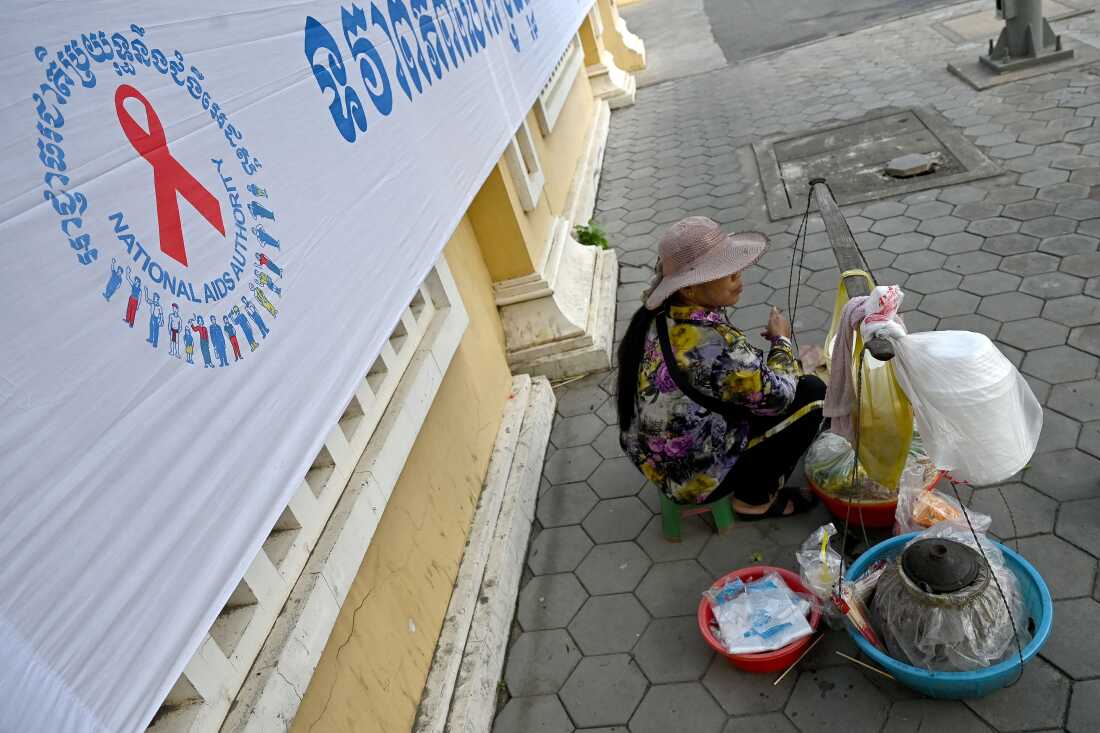
Cambodia stands out as the first country in Asia to meet United Nations targets for managing HIV. Among only 11 countries globally, Cambodia achieved a significant milestone: 95% of people with HIV know their status, 95% receive treatment that reduces viral levels, and 95% have such low viral loads they are considered suppressed, minimizing transmission risks.
In June, Cambodia reached this achievement, a goal set by the U.N. for countries to strive for by 2030. The targets appeared challenging when introduced by UNAIDS in 2020, but now 11 nations, mostly African, have met these aims, along with Denmark in Europe. Dr. Annette Sohn, from amfAR’s TREAT Asia program, highlights the ongoing stigma as a primary obstacle in many Asian countries, affecting testing and healthcare seeking.
“Sometimes people will think — why are we not able to manage HIV control?” explains Sohn, stressing stigma’s role.
Sophal Seum, an HIV advocate, illustrates how Cambodia’s focus on acceptance in healthcare saved lives. In the early 2000s, Seum lost his job due to mandatory HIV testing. Today, thanks to medication and a supportive program, he advocates for people with HIV, encouraging communities to meet their needs and offering support.
In the 1990s and 2000s, Cambodia’s HIV epidemic was severe, with about 180,000 people affected. Today, thanks to effective strategies, the national rate is below 0.5%. The majority of the estimated 76,000 citizens living with HIV are receiving treatment. Chamreun Chob Sok, from KHANA, attributes success to political will, a campaign promoting consistent condom use, and eventual free HIV medication supported by global funding — notably from the United States.
Early initiatives targeted high-risk groups, such as military personnel and garment workers. As the general HIV rate declined, focus shifted to harder-to-reach groups. KHANA implemented creative outreach programs. For example, SmartGirl, organized by former nightclub workers, conducted HIV testing and provided counseling. Other projects engaged men who have sex with men and transgender individuals, designing support networks like community hubs offering services.
Despite funding cuts and delays internationally affecting similar programs, Cambodia’s strategies remain effective. The key to their success lies in involving people directly affected by HIV in designing solutions, resulting in more accessible services.
Dalish Prum, from CPN+, underscores the importance of personal stories. Infected with HIV as a teenager, Prum now plays a pivotal role in assisting others. Her achievements — finishing her studies, working in HIV prevention, and having a family — demonstrate that living with HIV is manageable. She continues to inspire clients by affirming life with dignity and hope.
“Honestly, please love yourself,” says Prum. “You have dignity.”