
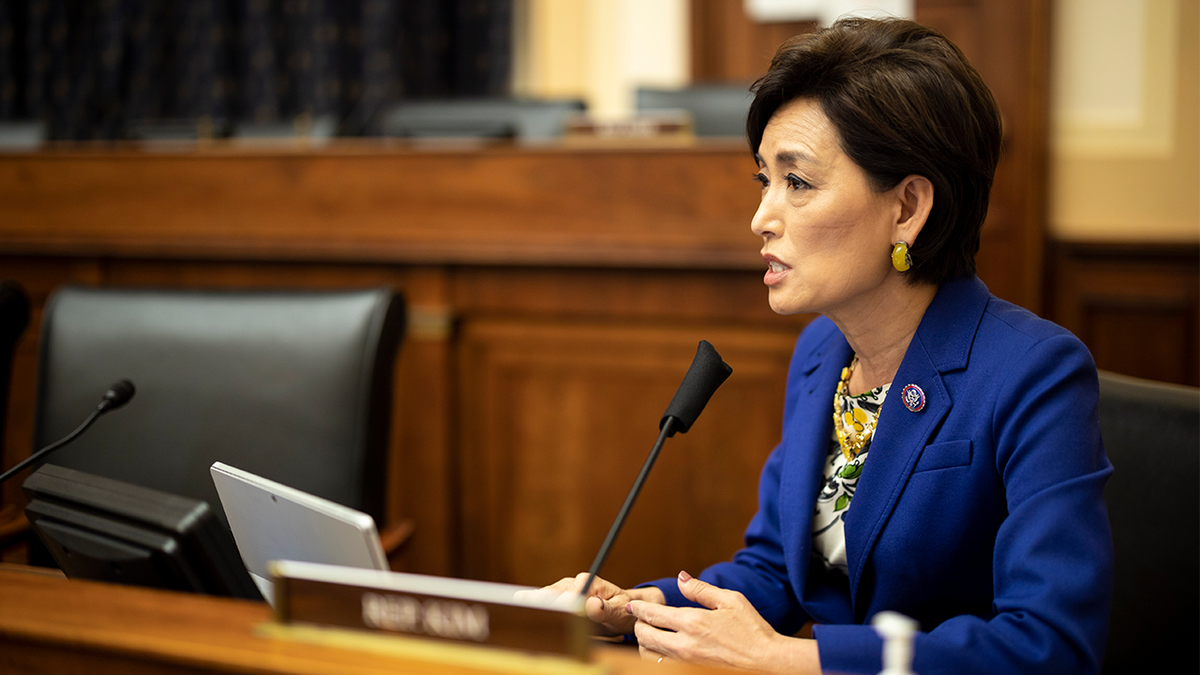
Representative Young Kim, a California Republican, aims to address what she views as unfair financial advantages for members of Congress. Her proposed legislation, the Stop Congressional Self-Enrichment Resolution, seeks to address these concerns. This follows a successful GOP effort to limit lawmakers’ stock trading in July, mandating restrictions and advance notice for stock transactions.
Kim highlights situations where lawmakers may indirectly benefit financially, citing examples like earmarking funds for projects near properties owned by them or their families. She notes that this indirectly raises property values, benefiting the lawmakers financially.
The resolution extends existing regulations, requiring members requesting earmarks to disclose financial interests of immediate family members. Current rules cover only the members and their spouses, but Kim wants to broaden this to include extended family and indirect benefits.
Kim mentioned that politicians should work for their districts without enriching themselves. She referenced the decade-long moratorium following the ‘Bridge to Nowhere’ controversy in the early 2000s as a cautionary tale on earmark abuse.
While some lawmakers, like then-House Speaker Dennis Hastert, faced allegations over benefiting personally from earmarked projects, other notable cases involve figures like Senator Tim Kaine. Kaine secured significant funds for George Mason University, where his wife had been involved, raising questions about conflicts of interest.
Kim assures that her resolution doesn’t discourage members from advocating for their districts. It aims to ensure transparency and prevent enrichment at constituents’ expense. She stresses that the initiative is not targeting individuals but aims to promote ethics in government activities.
Her efforts align with bipartisan support to bring greater accountability to congressional financial activities. This move suits a broader, ongoing conversation about the ethical obligations of public servants in relation to personal wealth growth during their tenure.