
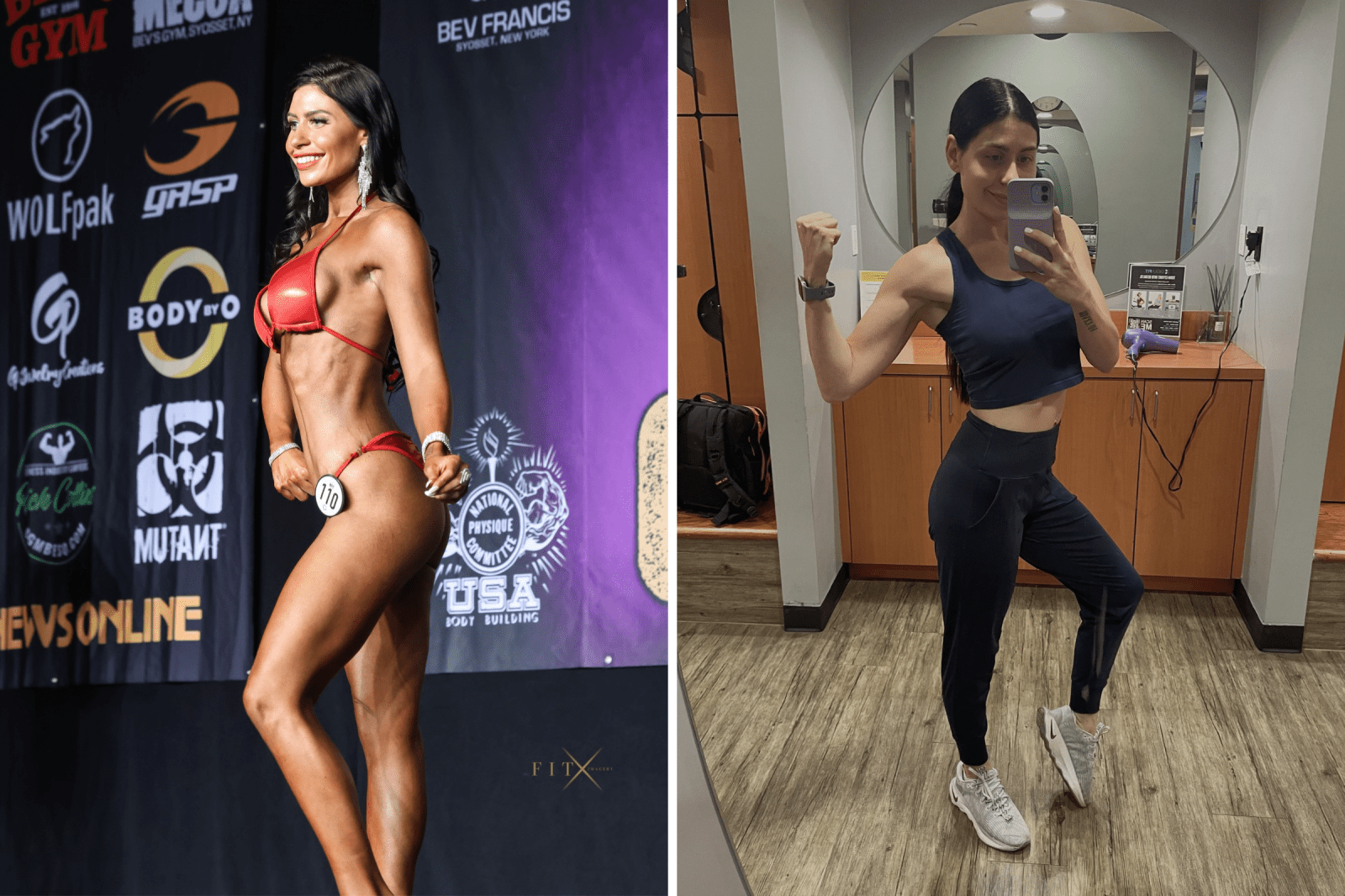
Kelsie Cohen, a 31-year-old bodybuilder from Long Island, New York, noticed unusual numbness in her hands and feet during workouts. Initially, she attributed these symptoms to low electrolytes, but an MRI scan revealed a different story. Cohen, who leads an active lifestyle as a bodybuilder, personal trainer, and single mother, described her routine as ‘incredibly regimented’.
Her symptoms began in early May 2026 with a noticeable loss of strength during workouts. Cohen dismissed this as a normal part of bodybuilding preparation, due to calorie restriction and increased cardio. However, as weakness and cramping on the left side of her body emerged, concerns grew.
The symptoms came fast, starting with episodes of numbness in my left hand and foot that lasted a week before hospitalization.
Cohen explained that exhaustion is common with intense dieting and cardio, and raising a toddler added to this stress. Despite concerning numbness episodes, she believed it could be an electrolyte imbalance.
As the symptoms intensified, occurring multiple times a day, Cohen felt unsafe driving. Losing sensation on her left side upon standing often resulted in falls. Urgent care advised immediate hospital attention.
Despite suspecting electrolyte imbalance, Cohen was unaware of potential brain issues. She felt invincible given her active lifestyle. Bloodwork at the hospital showed normal results, but a CT scan revealed a mass on the right side of her brain, initially considered cancer.
Transferred to a larger hospital, Cohen faced a possible brain cancer diagnosis. An MRI scan identified numerous brain lesions, indicating a demyelinating disease rather than cancer, leading to multiple sclerosis (MS) diagnosis in late May.
Cohen’s initial response was devastation at having an incurable disease despite relief from avoiding cancer. She experienced dizziness, leg spasms, and required medication. Improvement followed, though flare-ups persist. She manages MS with Kesimpta, a disease-modifying injection.
Although physically capable as before, Cohen modified workouts to suit her body’s needs. She adopted a more nervous system-friendly approach, reducing workout volume and allowing more rest.
Before diagnosis, I pushed my body regardless. Now, I consider its readiness to train or rest.
Cohen’s transition to using social media platforms aims to raise MS awareness instead of solely focusing on her fitness regime. She wants to show others how people with MS can lead fulfilling lives.
Through sharing her story, Cohen hopes to inspire individuals to listen to their bodies and seek medical attention when necessary. She wants to convey that listening to one’s body is not a sign of weakness.
Cohen expressed gratitude for her progress and hoped her experience would support others, encouraging them to trust their instincts and realize that life continues post-MS diagnosis.