
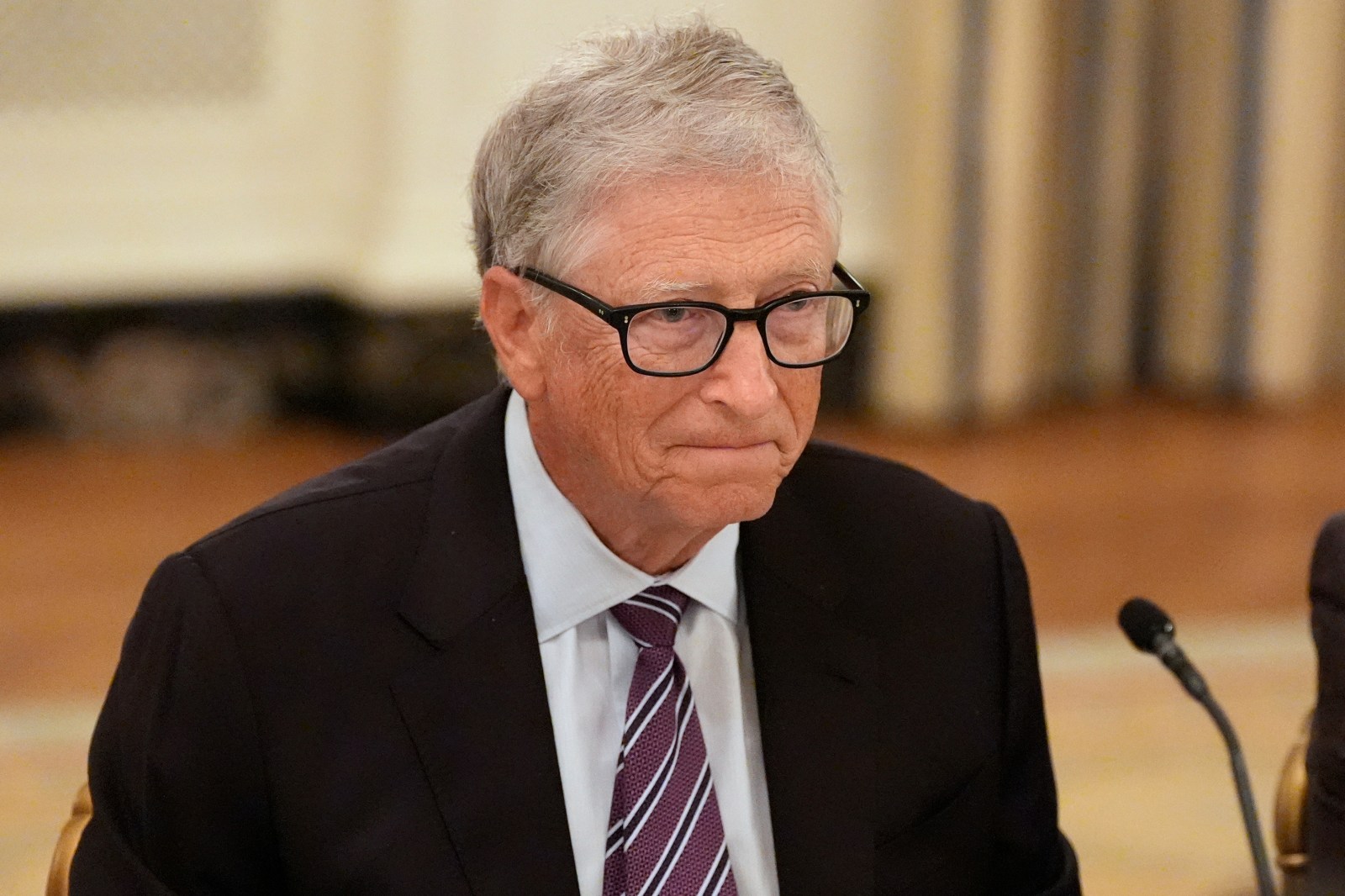
Bill Gates Speaks on AI Dangers
Microsoft co-founder Bill Gates recently spoke about the pressing issues surrounding artificial intelligence (AI). He emphasized that discussions about a potential AI “kill switch” overlook more urgent threats such as cyberattacks, fraud, and the use of AI in developing biological weapons. In an interview with NBC News’ Meet the Press, Gates highlighted the need for mandatory monitoring and safeguards over a simple shutdown mechanism.
During the conversation with moderator Kristen Welker, Gates described the kill switch as “kind of a weird thing,” stating, “We’re not yet at the point where [AI systems] autonomously grab computers and can’t be shut down.” He noted that focusing on the kill switch diverts attention from effective oversight needed to address AI’s potential for harm.
Debate Over AI Regulation
Gates’ comments arrive amid a growing policy debate in Washington regarding AI regulation. Recently, AI industry leaders have warned that advanced systems could pose risks if not properly managed. Anthropic CEO Dario Amodei called for a slowdown in the industry to establish proper guardrails. OpenAI CEO Sam Altman agreed with this stance, while Tesla CEO Elon Musk also supported Amodei’s view.
While Gates did not support a pause in AI development, he urged faster implementation of safeguards against malicious use. “AI is certainly powerful enough to drive events that cause a billion deaths,” Gates warned. He pointed to the danger of small groups using AI tools for harmful purposes like cyberattacks on critical infrastructures.
The AI Kill Switch Act
Representatives Ted Lieu and Nataniel Moran introduced the “AI Kill Switch Act” to mandate developers maintain the ability to control AI systems. The act seeks to authorize the Secretary of Homeland Security to intervene if an AI system poses catastrophic harm. Gates argued that monitoring and accountability are more critical than an emergency shutdown mechanism.
Trump Administration’s AI Strategy
The Trump administration has been evaluating AI regulations. Gates urged President Trump to bring together experts to develop AI safeguards. Trump announced plans to establish an AI czar position and form an AI Force, drawing parallels with the Space Force initiative.
Emphasizing oversight rather than slowing innovation, Gates voiced support for U.S. leadership in forming international standards for AI regulation. He highlighted the historical role of the U.S. in addressing global threats effectively.
Current AI Challenges
John Walsh, a cybersecurity expert, highlighted existing AI-related threats against America’s critical infrastructure. He noted attacks on systems like water treatment facilities, underlining concerns that AI is accelerating the speed of these threats. Gates asserted that regulation of advanced AI might be more challenging than nuclear arms control due to its accessibility.
Next Steps in AI Regulation
Gates plans to continue advocating for mandatory AI safeguards. Representative Ro Khanna is working on legislation addressing “recursive self-improving AI,” cautioning against the risk of losing human control. Gates emphasized the importance of implementing safeguards before a major AI-related disaster occurs.