
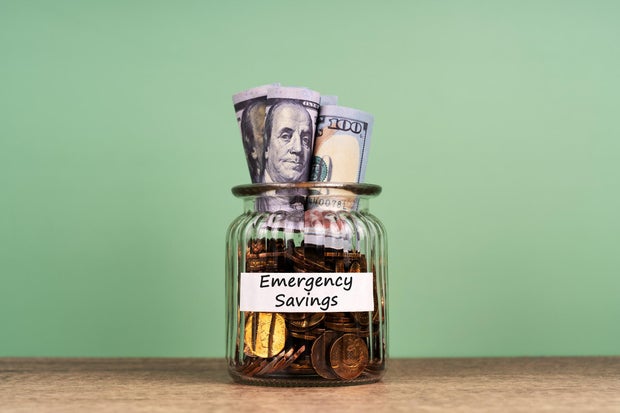
In today’s economic environment, balancing debt repayment with building an emergency fund is crucial. Inflation continues to rise, increasing the cost of essentials and putting financial pressure on many Americans. As a result, more people use credit cards to cover financial gaps, exacerbating stress due to high interest rates.
Impact of Growing Debt
A recent study by Achieve highlights the financial and emotional strain debt places on borrowers. Many feel stressed about their debts and monthly expenses. While aggressively paying off debt is wise, ignoring an emergency fund can lead to financial risk. Without savings, unexpected expenses often force reliance on credit cards, perpetuating a cycle of debt.
Building an Emergency Fund
The traditional recommendation is to save three to six months of living expenses. However, for those with high-interest debt, starting with a $1,000 to $2,500 fund is more practical. This cushion helps handle common financial disruptions without detracting too much from debt repayment efforts.
Your personal situation affects the exact amount needed. For variable income earners or self-employed individuals, a higher savings range is advisable. Homeowners may also need more due to potential costly repairs. Renters with stable incomes and fewer obligations can often manage with less.
When to Focus on Debt Relief Options
For some, debt loads are too substantial to tackle with traditional repayment methods. In these cases, exploring debt relief options can be beneficial. Debt consolidation or balance transfers can lower interest rates and simplify repayments, freeing funds for savings. Credit counseling services offer plans to reduce rates and create structured repayment schedules.
Debt relief approaches, like negotiating settlements or considering bankruptcy, may provide more manageable paths to financial stability. Consulting a debt relief expert or credit counselor helps in assessing the right approach based on your financial situation.
Conclusion
There’s no definitive answer for how much emergency savings is enough during debt repayment. For many, a $1,000 to $2,500 starter fund balances the need to prepare for setbacks without hindering debt reduction. When debt feels insurmountable, consider debt relief options as a potential pathway to financial resilience.