
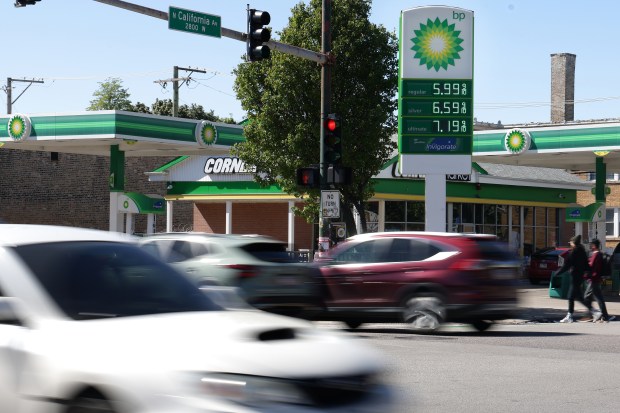
The latest consumer price report from the Bureau of Labor Statistics highlights a worrying trend for consumers. Most grocery staples are becoming more expensive, electric costs have hit record highs, and gas prices have surged past $4 per gallon nationally for the first time since 2022. Inflation accelerated in April with overall costs rising by 0.6%. Although steep, this increase is slightly less than the 0.9% reported in March. Year-over-year, prices are up 3.8%, nearly double the Federal Reserve’s target of 2%.
Energy costs are the main driver, accounting for over 40% of the month-over-month increase. These elevated energy costs stem from the Iran war, which has severely impacted oil and gas supply through the Strait of Hormuz. In response, the U.S. Navy has enforced a blockade of Iranian ports, halting fuel flow from the region and causing global crude oil prices to stay above $100 a barrel.
This situation has translated to higher fuel costs domestically. Retail gas prices have spiked by over 50% nationwide, and diesel prices have increased by 48%, according to the U.S. Energy Information Administration (EIA). Higher transportation costs mean rising prices for various goods, from groceries to airline tickets.
Tracking Essential Costs Amid Inflation
The Tribune monitors 11 everyday costs for Americans, including eggs, milk, bread, bananas, oranges, tomatoes, chicken, ground beef, gasoline, electricity, and natural gas. This tracker updates monthly using data from the U.S. Bureau of Labor Statistics.
Eggs
Egg prices dropped in April, with the nationwide average falling by 10 cents to $2.25 per dozen. This decrease follows a previous outbreak of bird flu, which disrupted supply and initially caused prices to soar. Since the outbreak, prices have declined by 56% or nearly $3 per dozen.
Milk
Milk prices rose to $4.14 per gallon, increasing by 7 cents since March. Prices are higher than last year and about 3% more expensive than when President Donald Trump took office in 2025.
Bread
The price of white bread increased by 3% month-over-month to $1.87 per pound. While prices have risen since the year’s start, they remain slightly cheaper than 12 months ago.
Bananas
Banana prices remained stable, falling by only a quarter cent to $0.65 per pound. Prices are still up by more than 5% since Trump’s second term commenced.
Oranges
Oranges saw a price increase, rising 2 cents per pound. Prices usually climb in the coming months, peaking in early fall. Currently, a pound costs $1.50.
Tomatoes
Tomato prices surged, increasing by 19% to reach historic highs. This volatility is unusual, with tariffs contributing to higher retail prices on Mexican-grown tomatoes. Costs are compounded by elevated oil and gas prices, making distribution pricier. A pound of field-grown tomatoes is now priced at $2.69, marking a 50% increase year-over-year.
Chicken
Chicken prices remained unchanged last month at $2.03 per pound of fresh, whole chicken. This stability contrasts with other meat products, and recent fluctuations have been minimal.
Ground Beef
Ground beef prices climbed in April, reaching nearly $7 per pound, up 24 cents from March. Historically high prices result from reduced beef production, with U.S. cattle inventory at a 75-year low. Imports from Mexico have been suspended due to a screwworm outbreak, further squeezing supply. Currently, 100% ground beef chuck costs $6.92 per pound, marking a 26% increase since January 2025.
Electricity
Electric costs have hit new highs, costing over 19 cents per kilowatt-hour. With average household usage at 899 kWh monthly, the typical bill amounts to $175 before additional charges. Prices have risen by more than 8% since 2025, translating to a $13.50 monthly surcharge. While Chicago may see reduced delivery charges next year, central and southern Illinois face potential price hikes.
Gasoline
Gas prices continue rising, with regular unleaded reaching $4.26 per gallon. Local prices are even higher at $4.45, influenced by Middle Eastern oil disruptions. As of Thursday, national averages hit $4.53 per gallon, with Chicago exceeding $5. The president has proposed suspending the federal gas tax, though such action requires Congressional approval. Prices are now 33% higher than when President Joe Biden left office.
Natural Gas
Despite other energy costs rising, natural gas prices in the U.S. are decreasing. They fell by 1 cent per therm due to low demand and high domestic production. EIA forecasts record production this year, expected to stabilize prices. Nonetheless, U.S. citizens are paying 8% more for natural gas utilities since Trump’s second term began, currently priced at $1.68 per therm.