
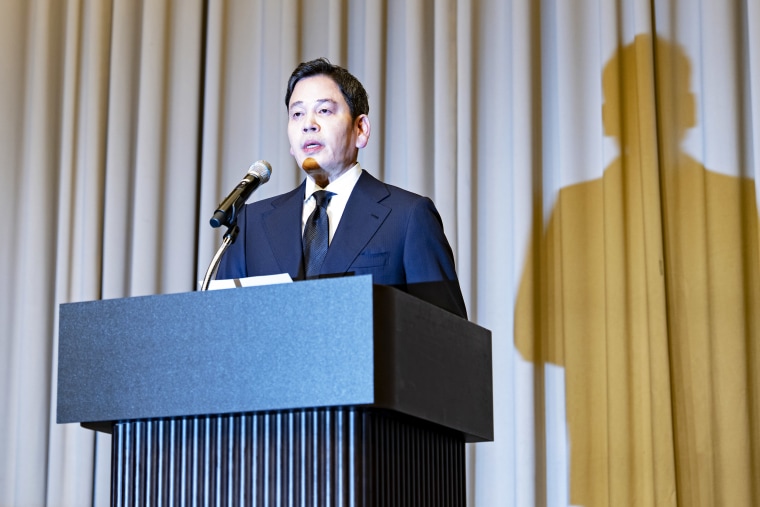
On May 26, 2026, the head of Starbucks in South Korea issued another public apology in response to widespread backlash over a controversial marketing campaign. The campaign was criticized for unintentionally mocking a significant event in South Korea’s pro-democracy history.
Controversial Campaign
Starbucks South Korea planned to introduce a large drink tumbler named “tank” on May 18, called “Tank Day.” This date also marks the anniversary of the 1980 government crackdown in Gwangju, where hundreds of activists were harmed by military forces. The campaign’s slogan, “Thwack it on the table,” drew further criticism due to its resemblance to a 1987 police claim regarding a student activist’s death.
Public Reaction and Apology
Chung Yong-jin, chairman of Shinsegae Group, the majority shareholder in Starbucks Korea, deeply apologized on camera, pledging respect for historical events. He urged people not to blame Starbucks employees for the campaign. Despite previous apologies, public anger continued, leading to public demonstrations and calls for boycotts endorsed by governmental figures.
A protest in Gwangju involved people smashing Starbucks cups, illustrating the extent of public frustration.
Political Context
The backlash coincides with politically sensitive times, as South Korea approaches local elections. The controversy has sparked varied political opinions, with the Democratic Party calling for more transparency and the People Power Party labeling the backlash as “consumer censorship.”
Investigations and Consequences
Shinsegae Group claims there is no proof that employees intentionally mocked historical events. However, all involved have been removed from their positions, and a police investigation is underway. The company promised severe actions if intentionality is discovered.
Public and Consumer Sentiment
Kim You Kyung, a media professor, emphasized the need for global brands to recognize cultural sensitivities. Yet, some consumers, like university student Kim Young Jin, view the reaction as excessive and not deterring their Starbucks patronage.
The incident highlights the importance of cultural awareness for international brands and serves as a learning example for future campaigns.