
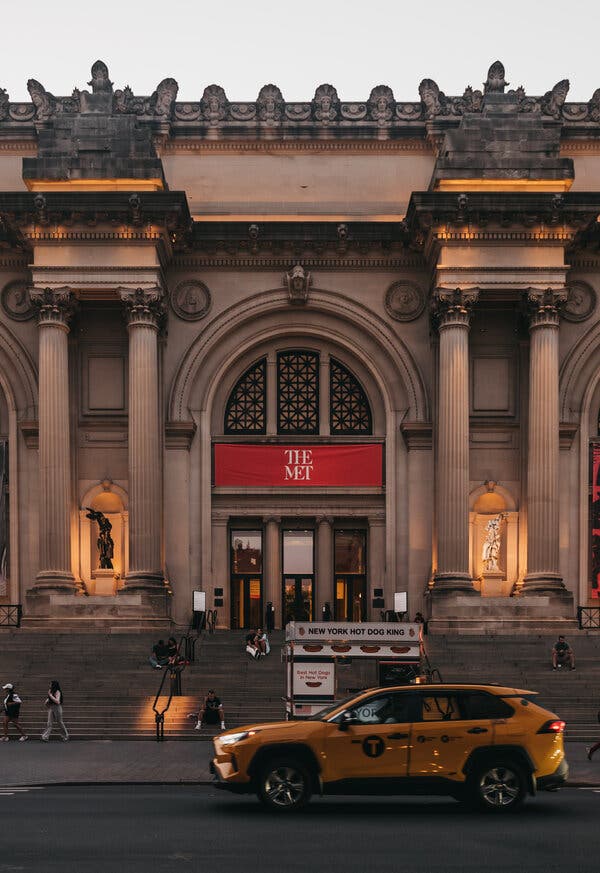
Early last month, Anna Wintour, the global editorial director of Vogue and an influential trustee at the Metropolitan Museum of Art, engaged Julie Menin, a Holocaust survivor’s daughter and the first Jewish speaker of the New York City Council, in a conversation. Wintour aimed to persuade Menin that honoring John Galliano with a solo exhibition at the Met’s Costume Institute was warranted, despite Galliano’s past antisemitic hate crime conviction.
Wintour described Galliano as a ‘creative genius’ and asserted his contrition for previous offensive remarks, which infamously included a declaration of love for Hitler and taunting comments at a bar suggesting patrons’ forebears were ‘gassed.’ During their 30-minute video call, Wintour appeared to downplay concerns raised by Menin and other notable New Yorkers about the plan. She offered a private meeting between Menin and Galliano and expressed assurance that the exhibition would thrive.
On Monday, Wintour’s assurance faltered when the Met abruptly canceled the planned show. This cancellation marked a significant setback for Wintour, a figure whose influence towers over the fashion realm and the Met gala. Her support for Galliano, reflected in the proposed exhibit honoring him — a privilege only granted to two other living designers before — ignited a drama among New York’s elite as they dispersed for August holidays.
The exhibition was billed as a pivotal event on the museum’s calendar, drawing star-studded gatherings from entertainment, art, and industry and generating substantial revenue yearly. Wintour’s advocacy for Galliano, despite widespread dissent, highlights the complex interplay of power and prestige within influential New York circles.