
Anesthesiologist’s Insights on Botched Execution
Dr. Joel Zivot, an anesthesiologist who offered advice to Christa Pike’s defense team, recently discussed the complications surrounding lethal injection practices. The discourse follows a judicial directive for Tennessee to retain evidence of a failed execution attempt related to Pike’s case. While Pike remains on death row, the attempt to execute her raised concerns about the drugs utilized.
Florida’s Accelerated Execution Rate
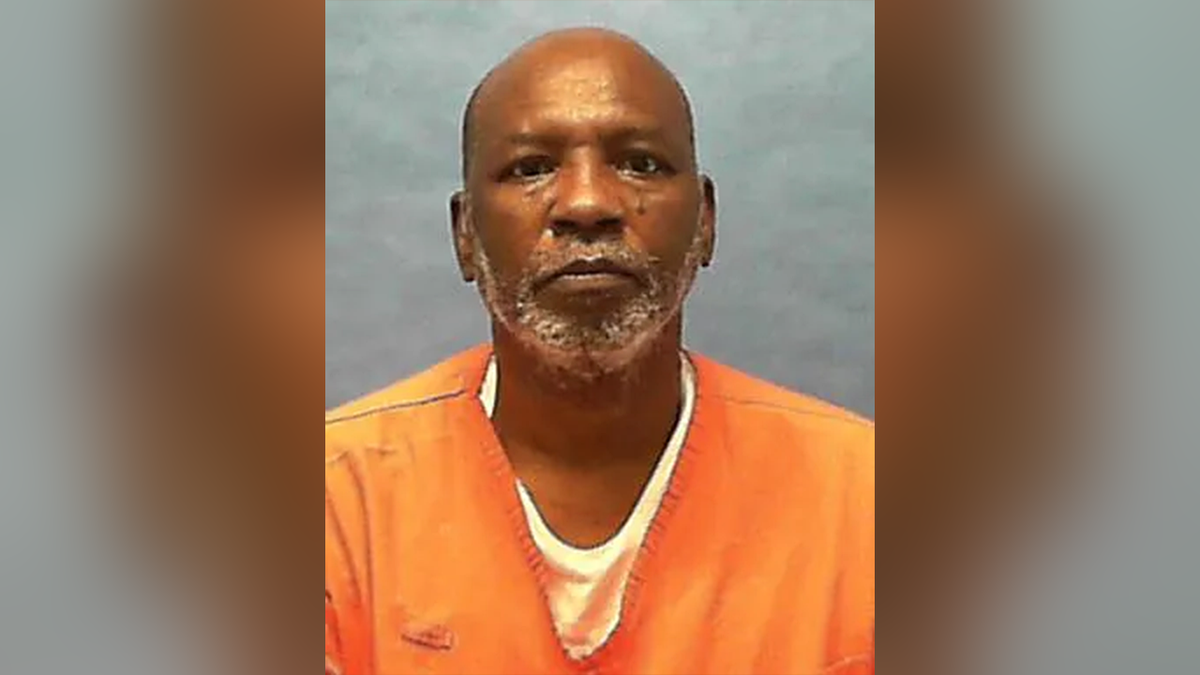
On a parallel note, the state of Florida executed a 77-year-old man, marking its 18th execution of the year. William Reaves, who had been convicted for the 1986 murder of Indian River County sheriff’s deputy Richard Raczkoski, was executed at Florida State Prison. He received a three-drug injection, and was declared dead shortly after. The procedure involved a sedative, a paralytic, and a drug to stop the heart.
Indian River County Sheriff Eric Flowers shared his perspective post-execution, expressing that the process felt like closure rather than justice.
Execution Protocols and Legal Appeals
The three-drug method used in Florida contrasts with the single-drug procedure in Tennessee. Christa Pike, a death row inmate in Tennessee, survived the administration of pentobarbital and was subsequently hospitalized before being returned to prison.
Reaves’ lawyers challenged the protocols, emphasizing that jurors were not informed of his 100% disability rating due to PTSD from his Vietnam War service. A letter from over 100 military veterans urged Governor Ron DeSantis to halt the execution, highlighting these mental health considerations.
State and National Execution Statistics
Governor DeSantis signed a significant number of death warrants, with Florida leading in executions this year. If scheduled executions proceed, the state will match last year’s record. DeSantis advocates for expediting justice for victims’ families who have waited years for executions.
The Associated Press contributed additional insight to this report.