
Artificial intelligence is central to debates ranging from employment and healthcare to national security. Yet, the question remains: Are AI models committed to truth, or do they conceal biases within their responses?
On the surface, AI tools appear neutral, providing information and analysis with citations and unbiased feedback. But the reality can differ. While obvious biases may be dismissed, subtle biases are harder to identify. Many users do not fact-check AI responses, which can lead to engineered or politically biased outcomes.
Recent research highlights these biases. The Washington Post found major AI models leaned towards leftist arguments, presenting them as neutral. The AI chatbots faced criticism for losing neutrality. MIT’s Center for Constructive Communication also reported left-leaning biases in topics like climate and labor unions.
State lawmakers, like those in New York and California, are targeting these hidden biases. They are pushing bills similar to Colorado’s Artificial Intelligence Act. These laws demand impact assessments and anti-discrimination mandates. Such regulations might force companies to modify AI output to avoid legal risks. The FTC noted that Colorado’s law could press companies to adjust AI models to meet ideological goals.
These biases are significant. AI adoption is faster than any prior technology. Americans use it for information, work, and political understanding. The New York Times noted voters increasingly rely on AI tools as neutral researchers, influencing political engagement.
AI biases can shape opinions on candidates and policies. At scale, these biases impact personal, professional, and civic life decisions.
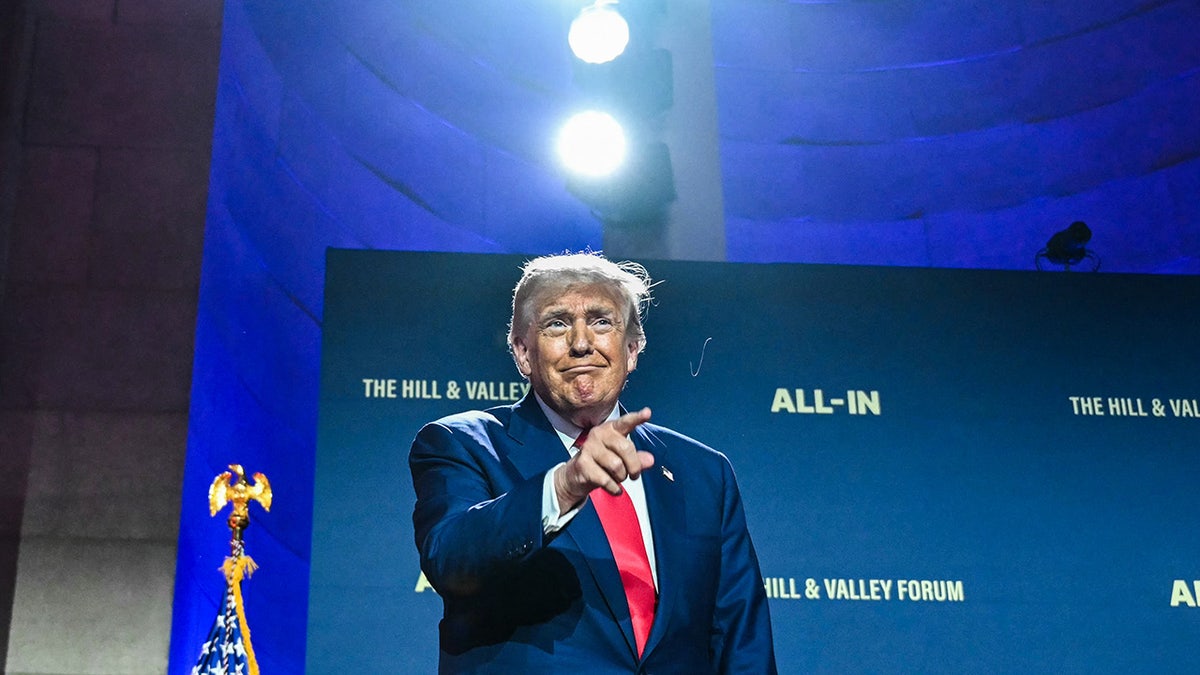
Under President Trump, the AI Action Plan aimed to ensure AI models pursue truth. His administration’s orders blocked federal use of biased AI and established a federal accuracy framework. These measures stress the importance of trustworthy AI.
FTC Chairman Andrew Ferguson proposed applying consumer protection laws to undisclosed model bias. Deceptive AI models could mislead consumers if they present biases as facts. The proposal suggests a federal standard for AI, similar to regulations for automobiles and pharmaceuticals.
This approach argues for transparency. If a model contains bias, disclosures are necessary to prevent violations of consumer protection laws. Americans deserve transparency about potential deception.
The FTC’s proposed policies align with the AI Action Plan, targeting deceptive AI practices. This represents a step towards leading AI development and safeguarding users.