
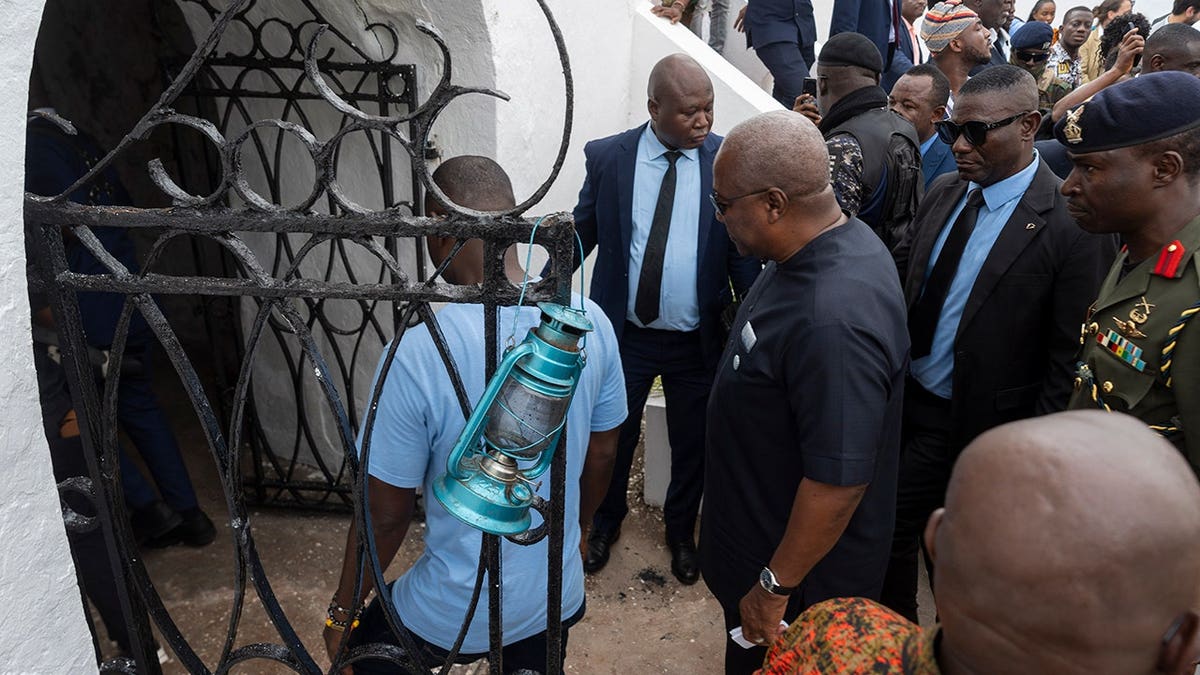
African and Caribbean leaders are demanding financial compensation, debt cancellation, and formal apologies from countries benefiting from the transatlantic slave trade. This call follows the adoption of a comprehensive reparations plan during a conference in Ghana.
The framework, consisting of 19 points, seeks financial compensation, debt relief, a Global Reparations Fund, and the return of looted cultural artifacts and ancestral remains. Advocates also propose reforms to international financial institutions, claiming they disadvantage Third World countries.
The plan will be introduced at the next UN General Assembly as African and Caribbean nations intensify their collective efforts for slavery reparations. The African Union and the Caribbean Community (CARICOM) Commission on Reparatory Justice adopted this plan after a three-day conference.
None of us gathered in this hall today can be held personally responsible for the atrocities of the transatlantic slave trade.– Ghanaian President John Dramani Mahama
Mahama emphasized the importance of taking responsibility rather than inheriting guilt. The proposal refrains from naming specific countries for compensation or apologies but calls for debt cancellation and climate justice finance. It also seeks expanded citizenship options for Africans in the diaspora and a “right of return” for descendants of enslaved Africans.
Advocates urge the preservation of former slave forts and castles in Africa as memorial sites. They note that over 12.5 million Africans were forcibly taken and transported on European ships between the 15th and 19th centuries. Reparations supporters believe slavery’s impacts persist throughout generations in Africa and the Caribbean.
The conference followed a UN vote in March, recognizing transatlantic slavery as the “gravest crime against humanity.” Although 123 countries voted in favor, the U.S., Israel, and 52 others opposed or abstained. Concerns arose that the resolution might create a hierarchy of atrocities, treating some crimes against humanity as more serious.
French President Emmanuel Macron addressed the conference virtually, acknowledging the severe suffering caused by slavery and suggesting reparations should not simply close the chapter on this issue.
The gathering unified various reparations pursuits previously undertaken by African and Caribbean nations into one document set for United Nations consideration.