
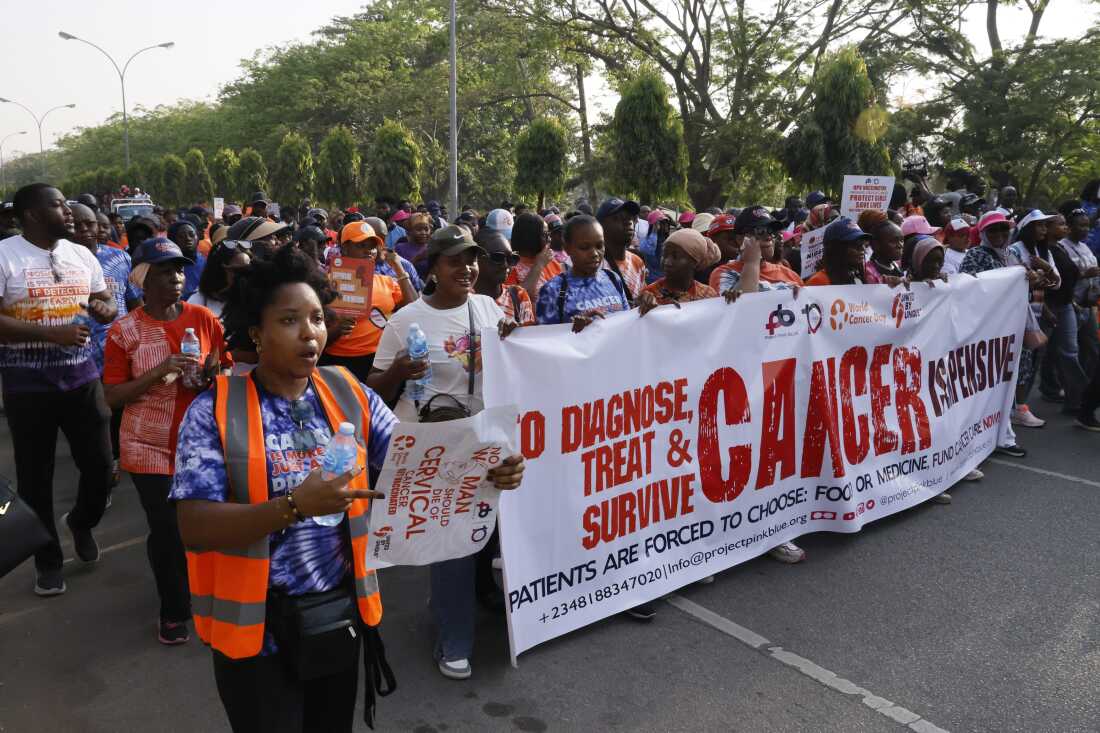
In Nigeria’s capital, Abuja, many gathered on February 7 to raise awareness about cancer during World Cancer Day. This day highlighted the pressing issue of cancer in Nigeria, where the World Health Organization (WHO) has noted a significant rise in cases.
Personal Struggles and Determination
Titilayo, a resident of southern Nigeria, discovered a lump in her breast, sparking a long and difficult journey for diagnosis and treatment. With limited resources, she faced challenges in obtaining necessary chemotherapy. However, her determination to care for her young daughters drove her pursuit of treatment, despite the hurdles.
Rising Cancer Trends
The WHO projects a steep increase in cancer cases in sub-Saharan Africa by 2050. Dr. Basira Hanafi Lawal, a radiation oncologist in Abuja, sees these trends firsthand. She observes an increase in cancer awareness and early-stage diagnoses due to preventive screening and public awareness efforts.
“Sometimes it’s heartbreaking,” says Lawal, regarding late diagnoses.
Challenges include limited oncologists and radiation facilities in Nigeria. Patients often travel long distances for treatment and bear high costs, with over 80% of expenses out-of-pocket.
The Financial and Social Burden
Cancer survivors like Abigail Simon-Hart and Regina Fisayo Akinola emphasize the financial pressure on families. Many sell assets or seek loans to cover treatment costs. Unfortunately, lack of comprehensive insurance exacerbates the issue.
Akinola stresses the importance of early detection, crediting her survival to regular mammograms and family support. However, not everyone is as fortunate, with some patients facing abandonment due to stigma.
Community Support and Initiatives
Social isolation is common for survivors, who face rejection from their communities. Ethel Olomu, who battled stage 4 breast cancer, felt motivated to educate others and formed the Engraced Life Foundation to support patients and advocates.
Government and International Efforts
The Nigerian government aims to reduce cancer cases by 30% by 2030. It has established the Nigerian Cancer Health Fund and collaborates with international organizations to enhance access to treatment. Initiatives include expanding immunization programs to include the HPV vaccine, helping prevent cervical cancer.
Awareness campaigns on various platforms, like those for prostate cancer, are also making strides. These efforts aim to alter the future trajectory of cancer prevalence in Nigeria.
Hope and Advocacy
Titilayo, now showing no signs of disease, advocates for vigilance and treatment. Her personal journey and growth inspire others facing similar battles. She emphasizes the importance of self-worth and support for those impacted by cancer.