
Many Americans feel the current healthcare system is problematic. There are persistent issues with rising premiums, increasing deductibles, and unexplained charges on medical bills. A significant factor contributing to these frustrations is the secrecy surrounding healthcare pricing.
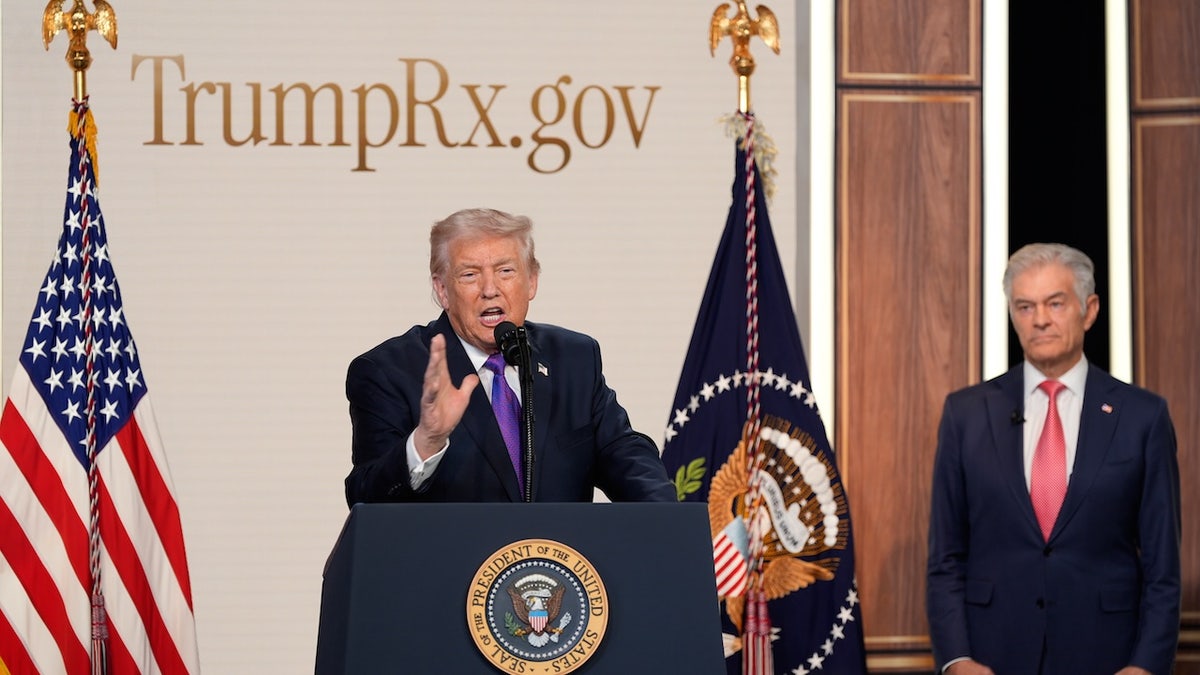
In May 2018, President Donald Trump introduced TrumpRX. This platform aims to allow Americans to find cheaper drug options, operating similarly to services like Airbnb or Priceline.com. However, hospitals and insurance companies also need reform.
Healthcare remains one of the costliest and least transparent sectors in the American economy. Hidden pricing, complex billing, and unnecessary intermediaries lead to substantial costs for taxpayers and working families through fraud, waste, and abuse.
The Trump administration has the necessary authority to provide immediate relief. What lacks is enforcement.
Steps Toward Lowering Healthcare Costs
There are three actionable steps that could help reduce costs, uncover fraud, and restore public trust in the healthcare system.
1. Provide Patients with Pricing Information Before Treatment
Patients currently only learn about healthcare costs after receiving treatment, when it is too late to question or compare prices. The No Surprises Act introduced the Advanced Explanation of Benefits (AEOB) to combat this, requiring itemized charges to be disclosed prior to scheduled care. However, this measure has not been fully implemented yet.
If implemented, this would allow patients to compare prices and identify unreasonable charges before receiving treatment. This is a level of transparency expected with any large purchase, and healthcare should be no different.
2. Improve Oversight of the Federal Employees Health Benefits Program
This program is a major purchaser of healthcare, yet visibility into its expenditures is lacking. The Office of Personnel Management can already demand standardized claims data, conduct audits, and verify dependent eligibility.
Audits can reveal duplicate billing, inflated charges, and improper payments, while eligibility verification can stop fraudulent enrollments from persisting. Strengthening oversight could save billions without reducing benefits or requiring new legislation.
3. Increase Transparency in Employer Health Plans
Most Americans receive health coverage through employer or union plans, but many employers lack access to the necessary data for detecting fraud or controlling costs. The Department of Labor is moving towards requiring greater transparency from Pharmacy Benefit Managers. This requirement should extend to all entities involved in handling plan assets.
Employers should have direct access to claims data and payment records. Transparency would allow employers to negotiate better terms, moving from passive payers to informed purchasers.
Enforcement is Key
The tools for transparency exist, but their lack of use points to an enforcement problem. Federal rules require transparency from hospitals and insurers, yet many provide incomplete pricing data with minimal repercussions.
Americans are frustrated with hidden and unexpected healthcare costs. They want accountability, not an ideological debate. The authority and laws needed are already established. Enforcing maximum transparency is the most efficient way to empower Americans and make healthcare more affordable.
Amb. Andrew Bremberg served as assistant to the president and director of the Domestic Policy Council for President Donald Trump.