
Bundibugyo Virus: A Rare Ebola-Causing Virus
The Bundibugyo virus, responsible for an outbreak in the Congo, has raised significant concerns. Unlike other Ebola-causing viruses, this is less common, complicating response efforts. Currently, there are no specific treatments or vaccines available, posing challenges for healthcare workers and aid teams.
“There’s nothing even close to ready for clinical trials,” explained Dr. Celine Gounder, an infectious disease expert, highlighting the reliance on basic care strategies. A promising vaccine candidate for Bundibugyo may take six to nine months, as noted by Dr. Vasee Moorthy from the WHO.
Past Outbreaks and Transmission
The Bundibugyo virus has been behind two previous outbreaks within the same Congo River basin region, according to virologist Dr. Tom Ksiazek. Apart from Bundibugyo, other Ebola viruses include the more commonly known Ebola virus, Sudan virus, and the less impactful Taï Forest virus.
The virus primarily spreads through direct contact with bodily fluids of infected individuals. Healthcare workers and family members of patients are at the highest risk. Dr. Gounder emphasized that medical personnel often face infection due to their close proximity to patients.
Mortality and Public Health Response
The mortality rate of Bundibugyo virus, although slightly lower than other Ebola variants, remains high at over 30%. Limited data from few outbreaks hinder precise assessments, but appropriate medical interventions can significantly reduce fatalities.
In previous outbreaks, early detection and intervention were crucial. Providing healthcare workers with protective equipment, isolating contacts, and offering supportive care were effective responses. Dr. Ksiazek noted that administering fluids to patients was a critical part of care to lower mortality rates.
Containment Efforts
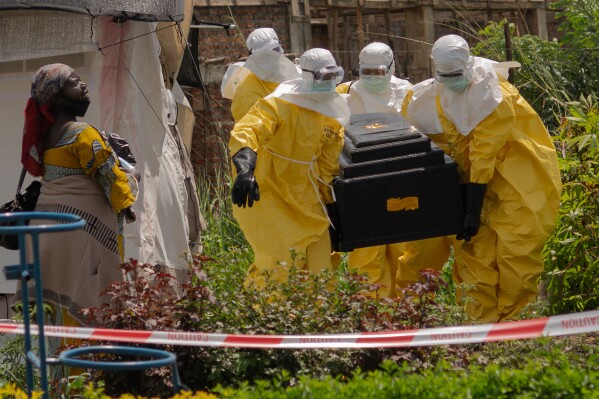
Current efforts focus on identifying and isolating cases, contact tracing, and public education. Ensuring safe burial practices is vital, as seen in past Ebola outbreaks in West Africa. Dr. Gounder pointed out that preventing transmission during burials was key in halting the spread.
While the absence of vaccines presents challenges, other public health measures like education and testing remain effective. Dr. Lina Moses from Tulane University stressed their importance, noting that the Democratic Republic of the Congo has successfully stopped 17 Ebola outbreaks to date.
Contributions to this report were made by journalists Mogomotsi Magome in Johannesburg and Jamey Keaten in Geneva.
The Associated Press Health and Science Department is funded by institutions such as the Howard Hughes Medical Institute and the Robert Wood Johnson Foundation, but is solely responsible for its content.