
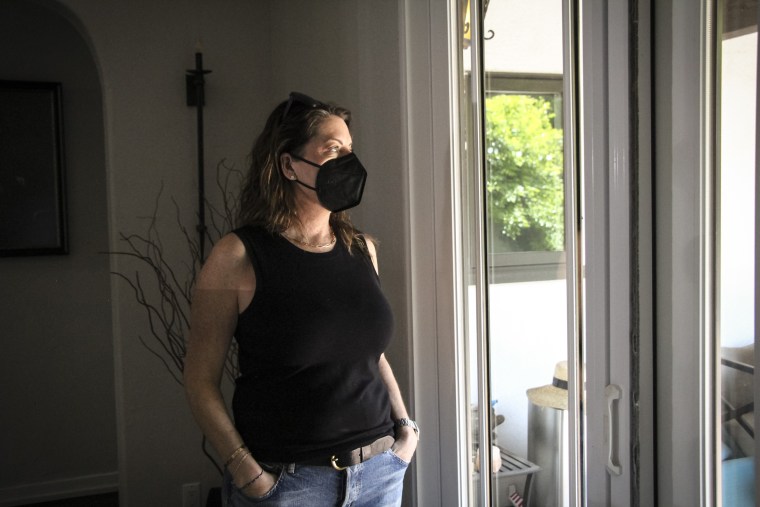
Altadena, California residents face significant health risks from toxic compounds following the Eaton Fire. A mother turned to chelation therapy for her son to combat lead exposure. A geochemist refused to enter a home without protective gear. A cinematographer spent substantial money testing and cleaning his property for heavy metals, work not covered by the government cleanup.
Extreme Measures for Safety
The fire left behind arsenic, asbestos, and other toxins, as thousands of homes and vehicles burned, releasing dangerous materials. Months later, lead levels remain hazardous enough to threaten children’s health. Jennifer Rochlin conducted her own testing with an Amazon kit to reveal widespread lead contamination in her home, including her HVAC system.
Rochlin has twice relocated and replaced personal items due to contamination. Many residents, regardless of direct fire damage, remain displaced. Insurance and personal financial burdens grow as residents await safety confirmation. Nearly two-thirds of affected residents continue to live in temporary housing, as reported in an analysis on the damage.
Response Gaps and Research Efforts
Residents and academics joined forces to research the contamination. Their investigations highlight the inadequacies in response systems, including insurance, remediation, and government agencies. The fire’s urban setting resulted in unique contamination challenges, as highlighted by Dawn Fanning, managing director of Eaton Fire Residents United.
California lacks indoor residential safety standards for substances found in Altadena, complicating decisions on home safety for both homeowners and insurance companies. Testing companies employ inconsistent methods, creating further uncertainty.
Inconsistent Cleanup and Unresolved Concerns
Properties where homes burned did not receive soil testing from FEMA or the U.S. Army Corps, leaving potential risks unaddressed. Two whistleblowers from the Army Corps cleanup expressed concerns over inadequate cleanup efforts. Debris remained in many areas, unlike other wildfire responses.
An Army Corps spokesperson stated that their mission included removing structural ash, debris, and topsoil within the ash footprint. However, soil testing was not included in their assigned tasks from FEMA.
Environmental and Health Risks
Altadena sits where wilderness meets the city, against the San Gabriel Mountains. The January 2025 Eaton Fire devastated this area, destroying thousands of structures. The fire spread toxic elements like lithium, arsenic, and asbestos, carried by winds over 90 mph.
Alireza Namayandeh, a postdoctoral fellow at Stanford University, analyzed smoke samples during the fire. His research indicated that smoke particles were often nanoparticles, capable of infiltrating the lungs, bloodstream, and brain, increasing potential health hazards.