
America stands on the edge of a technological transformation. The direction it takes depends largely on political decisions in upcoming elections. Elon Musk, speaking with President Donald Trump, envisions a future where artificial intelligence and robotics create an ‘age of abundance.’ This future promises superior medical care for all individuals.
Trump’s Vision for American Technology
The Trump administration aims to position America as a leader in artificial intelligence. Through the AI Action Plan, it seeks to remove regulatory hurdles, expand necessary infrastructure, and promote AI advancements. Treasury Secretary Scott Bessent predicts that AI could revolutionize American manufacturing, making it economically viable again.
This vision imagines an America where AI leads to medical breakthroughs and economic prosperity. Advances in robotics and AI might enhance U.S. competitiveness globally, improve healthcare, and drive unprecedented economic growth.
Challenges from the Far Left
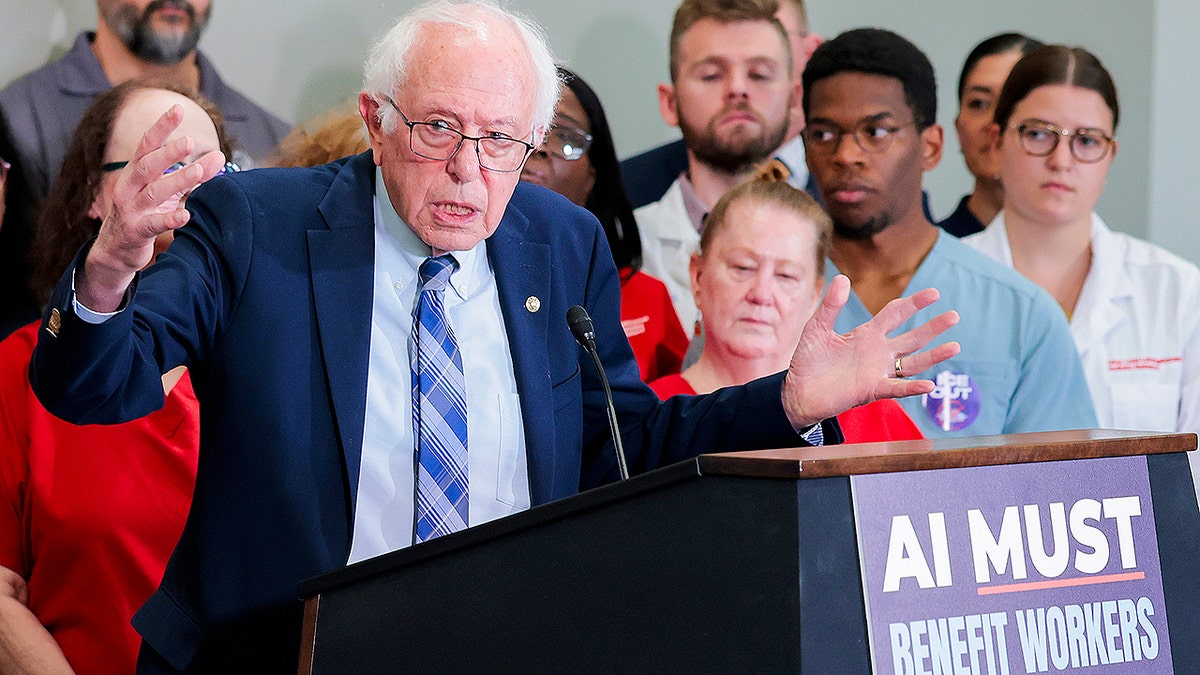
While the Trump administration pushes forward, figures like Senator Bernie Sanders offer a contrasting perspective. Proposals from Sanders and others focus on halting new data center construction until regulations are developed.
The far-left agenda suggests increased government control over AI industries. Sanders proposes the American AI Sovereign Wealth Fund Act, which aims to nationalize half of the AI sector and impose federal oversight on company boards. Furthermore, Sanders advocates for a permanent ban on developing artificial superintelligence, establishing a federal agency to enforce this ban.
The Cost of Stagnation
There is legitimate concern over AI’s impact on jobs and privacy. However, stifling technological progress comes with significant risks. AI could revolutionize drug discovery, enhance agriculture, and support those with disabilities.
Under restrictions like Sanders proposes, many of these benefits might never materialize. Implementing stringent regulations could hinder innovations that foster broader societal growth.
Implications for Global Competition
China’s rapid progress in AI poses a global challenge. The Stanford University 2026 AI Index reveals that the U.S. and China are now on par in AI capabilities. Slowing U.S. research, as proposed by the far left, might allow China to gain technological superiority, diminishing America’s economic and geopolitical influence.
Elon Musk and President Trump warn against ceding opportunities to China. The AI revolution offers unparalleled potential for prosperity, but hesitance in embracing technological progress could result in missed opportunities for America’s future.