
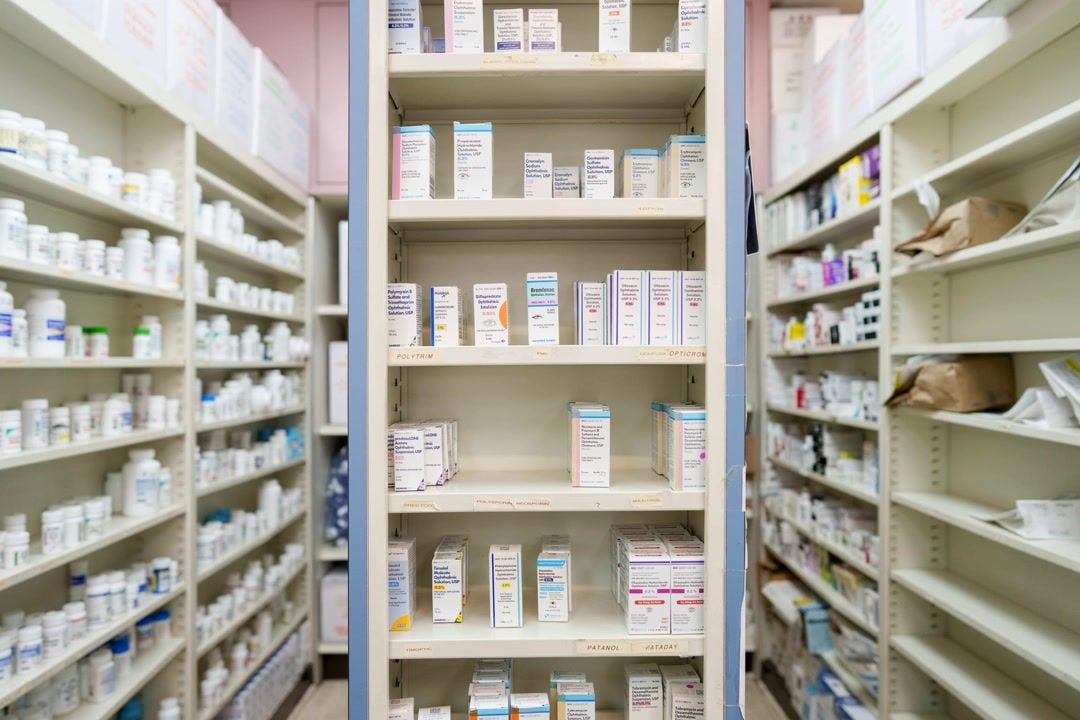
Compounded GLP-1 injections produced by a pharmacy previously warned by the FDA for endangering patients have been recalled across the U.S. Apothecary Pharma LLC began a voluntary recall of tirzepatide injections, the active component in Zepbound and Mounjaro, on September 24 due to ‘lack of assurance of sterility,’ as per an FDA announcement.
The federal agency escalated the recall on October 10 to a ‘Class II’ recall, suggesting that using the medication might lead to ‘temporary or medically reversible adverse health consequences,’ although the likelihood of severe harm is minimal.
These injections are merely compounded versions of GLP-1, meaning they aren’t brand-name or FDA-approved drugs, but rather custom-formulated by specialized pharmacies known as compounding pharmacies.
The issues of sterility and sanitation in compounding pharmacy injections have been contentious, previously highlighted by a 2012 case where nearly 800 people fell ill and 64 died due to a fungal meningitis outbreak caused by unsanitary injections from the New England Compounding Center.
The FDA has paid particular attention to compounded GLP-1s after tirzepatide and semaglutide were removed from the official drug shortage list in late 2024 and early 2025, expecting compounding pharmacies to cease their mass production. Yet, many continued, prompting FDA warnings and legal actions.
In December 2025, Apothecary Pharma received an FDA warning, highlighting several violations and ‘serious deficiencies in practices for producing drug products expected to be sterile,’ which posed risks to patients.
USA TODAY reached out to Apothecary Pharma and the FDA for comments on October 19 but has not yet received a response.
Recalled Compounded GLP-1 Injections
A total of 22 vials of tirzepatide have been recalled nationwide. The vials include:
- Lot AP-202622, BUD 07-Oct-2026
- Lot AP-202623, BUD 08-Oct-2026
- Lot AP-202624, BUD 19-Oct-2026
- Lot AP-202625, BUD 20-Oct-2026
- Lot AP-202627, BUD 26-Oct-2026
- Lot AP-202628, BUD 27-Oct-2026
- Lot AP-202629, BUD 28-Oct-2026
- Lot AP-202630, BUD 31-Oct-2026
- Lot AP-202631, BUD 01-Nov-2026
- Lot AP-202632, BUD 03-Nov-2026
- Lot AP-202633, BUD 07-Nov-2026
- Lot AP-202634, BUD 08-Nov-2026
- Lot AP-202635, BUD 16-Nov-2026
- Lot AP-202636, BUD 17-Nov-2026
- Lot AP-202637, BUD 18-Nov-2026
- Lot AP-202638, BUD 19-Nov-2026
- Lot AP-202639, BUD 20-Nov-2026
- Lot AP-202640, BUD 21-Nov-2026
- Lot AP-202641, BUD 22-Nov-2026
- Lot AP-202642, BUD 24-Nov-2026
- Lot AP-202643, BUD 25-Nov-2026
- Lot AP-202644, BUD 26-Nov-2026
Handling Recalled GLP-1 Injections
The FDA and Apothecary have yet to provide public guidance on the handling of affected vials. Customers online have reported directions from prescribers to return or dispose of them.
If you possess an affected lot, refrain from using it and contact your prescriber for further instructions.
Understanding Compounding Pharmacies
Compounding pharmacies custom formulate medications from raw components, which have gained interest lately due to the GLP-1 surge and peptide industry.
Unlike commercial pharmacies distributing mass-produced drugs, compounding pharmacies tailor specific medicines to meet individual needs. They may adjust dosages or remove allergens, benefiting pediatric and veterinary cases where special formats are needed.
During drug shortages, the FDA temporarily authorizes compounding pharmacies to bulk-produce medications. In 2022, the FDA permitted compounders to create GLP-1 drugs amid a shortage. Although tirzepatide and semaglutide were removed from the shortage list in late 2024 and early 2025, compounding pharmacies continued to produce these drugs, often selling them online.
Compounding pharmacies utilize FDA-approved ingredients, yet their formulations aren’t assessed for purity, safety, or effectiveness. They aren’t routinely FDA-regulated, which may lead to sanitation issues, as seen in the 2021 New England Compounding Center case.
This has sparked controversy, with pharma giants like Eli Lilly and Novo Nordisk challenging the compounding practice legally.
To verify the trustworthiness of a compounding pharmacy, visit the Alliance for Pharmacy Compounding website and consult your physician.