
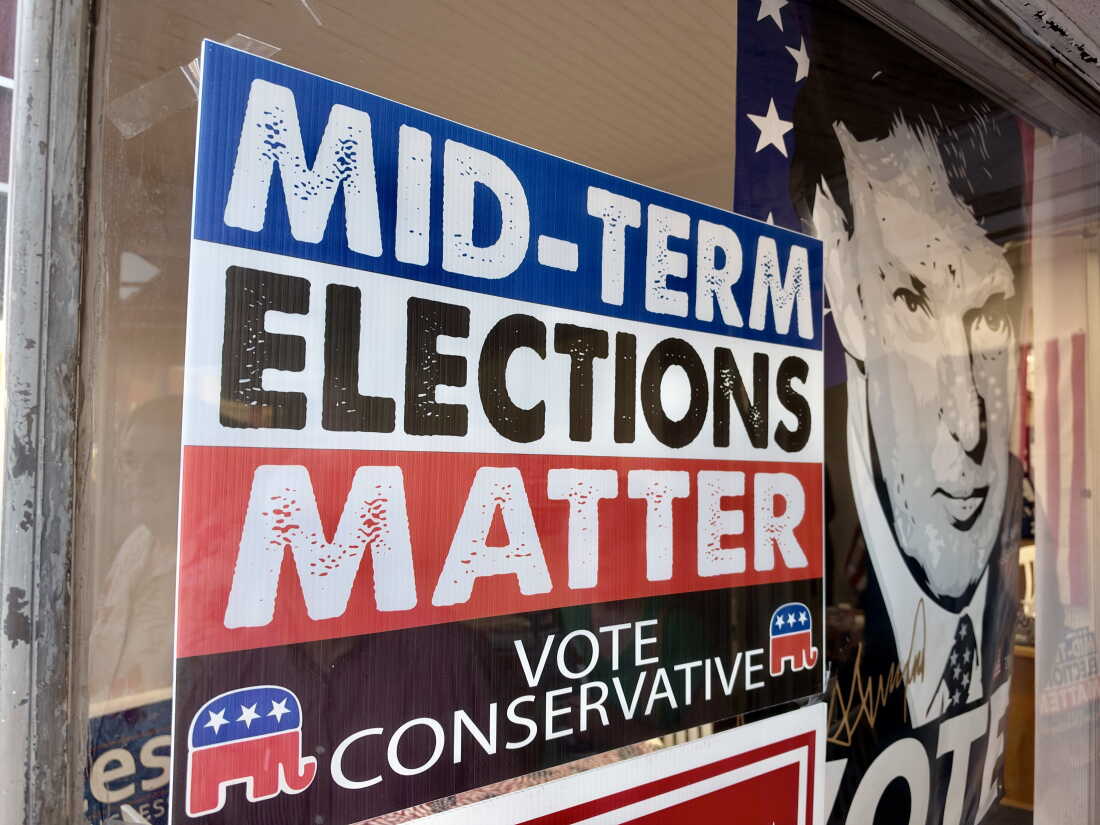
In Kansas, a state known for its steadfast political alignment, the upcoming elections present a unique blend of opportunities and challenges for Democrats and Republicans. The state, which supported President Trump with 57% of the vote two years ago, is now grappling with the prospect of electing a Democratic U.S. Senator for the first time in nearly a century.
Potential Upsets in Kansas Politics
Adam Hamilton, identifying as an ‘independent-minded Democrat,’ leads in several polls against Republican Sen. Roger Marshall. This unexpected toss-up race has led both parties to invest tens of millions of dollars in efforts to sway voters. President Trump has announced plans to campaign in Wichita for Marshall and other Republican candidates.
Simultaneously, after eight years under Democratic Governor Laura Kelly, Republicans see an opening to reclaim the governor’s office. State Senate President Ty Masterson, the Republican contender, shows a lead in polls against Democratic state Sen. Cindy Holscher. Unlike many other gubernatorial races, this contest maintains a more regional focus.
Shift in Voter Dynamics
The attention on Kansas underscores how Trump’s second-term policies have become unpopular among voters, particularly the contentious issues of rising fuel prices and tariffs that have impacted Midwestern states. Early voting in Kansas sees both parties keenly contesting every vote.
At a recent event in Lawrence, Adam Hamilton emphasized restoring ‘human decency’ in politics alongside tackling healthcare affordability. Hamilton, credited as the founding pastor of a large church congregation, aims to bridge bipartisan divides, appealing to values common across party lines.
“We’ve got to find solutions that will be a compromise between what the Republicans want and the Democrats want,” said Hamilton.
As a Democrat who distances himself from more liberal states, Hamilton has garnered endorsements from former Republican Kansas governors and noted conservative figures. He underscores the distinctive nature of Kansas Democrats in his campaign messaging.
The Republican Response
Despite the tight Senate race, Republicans remain optimistic about their gubernatorial chances. On a statewide bus tour, Republican leaders emphasize solutions for state-centric issues like affordability and energy prices. Masterson and other nominees focus their rhetoric on countering policies perceived as extreme.
State Rep. Pat Proctor, the Republican candidate for Secretary of State, notes the historical balance Kansans have maintained, supporting governors from both parties. Proctor argues that the Republican agenda aligns more closely with the public’s preferences.
In a contrasting strategy, Marshall has characterized Hamilton as dangerously liberal. Yet recent controversies, including a rowdy debate reception at the Kansas State Fair, have challenged his campaign.
Kansas’ political landscape stands as an anomaly. It joins a select group of states with varying political leadership at the gubernatorial and senatorial levels, suggests a possible continuation of this unique pattern.