
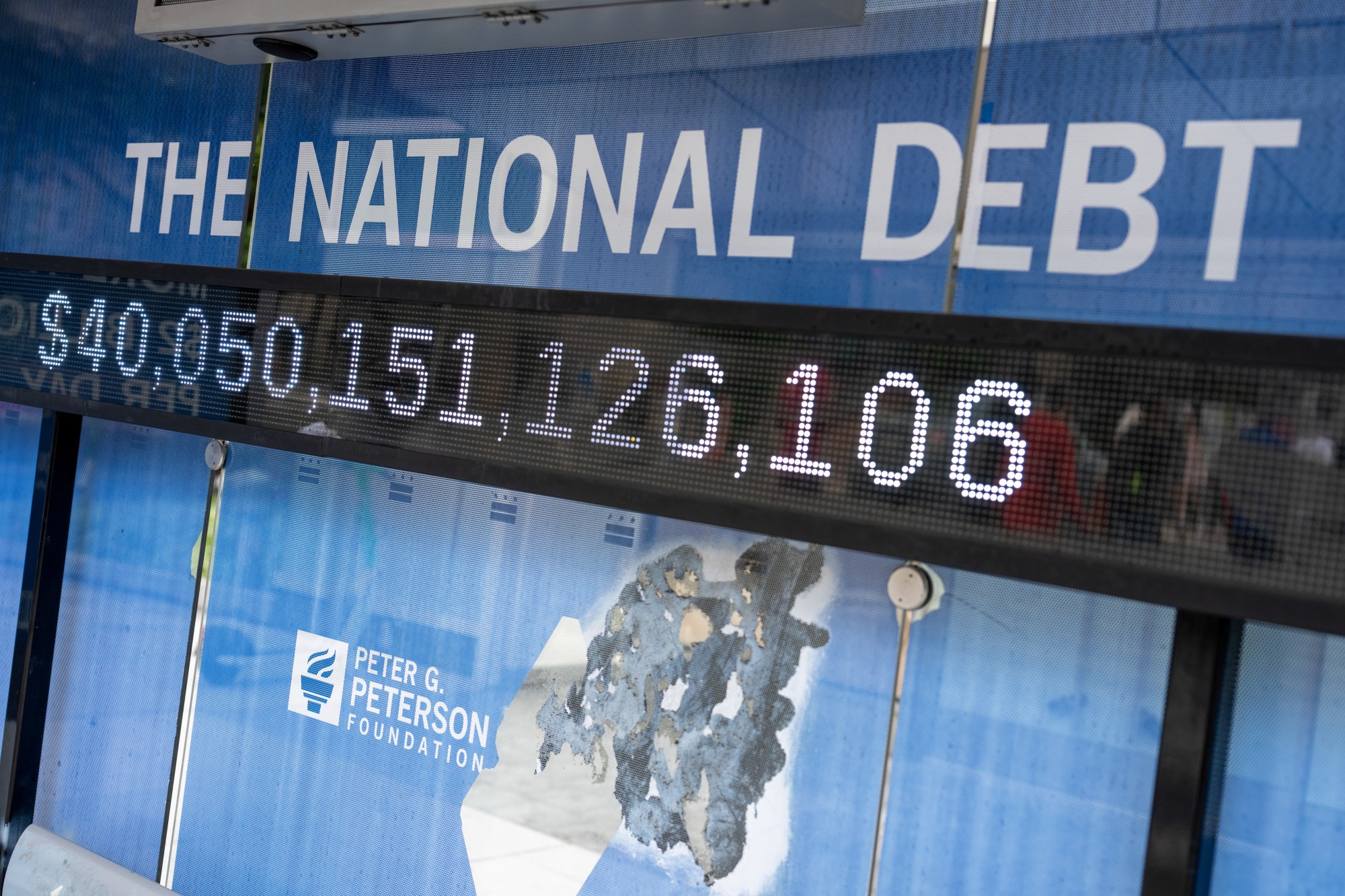
The US national debt has surpassed $40 trillion, a significant increase over the last five years. This alarming surge is occurring while fiscal deficits widen and lawmakers overlook calls for tighter fiscal control.
The fiscal year ended with a $2 trillion annual budget deficit in 2026. To make sense of this vast amount, it means the government spent approximately $15,000 more per household than what was collected in revenue over the past year. This deficit is a reflection of current fiscal policies rather than any extraordinary event.
Looking ahead, Washington projects to average $2.4 trillion in annual deficits over the next decade. Despite a lame duck session in the 119th Congress, the House of Representatives has advanced several bills aimed at curbing federal spending fraud, potentially saving taxpayers substantial sums. The Government Accountability Office highlights that fraud costs the federal government between $233 billion and $521 billion annually.
One such bill is the Pre-Payment Fraud Prevention and Treasury Data Access Act, sponsored by Rep. James Comer (R-Ky.). This legislation aims to enhance the Treasury’s Do Not Pay system, including adding new data sources to verify payment eligibility. The bill passed committee by a vote of 35-1 and the House under a two-thirds vote requirement.
The Zeroing Out Monetary Benefits Improperly Expended Act (ZOMBIE Act), proposed by Rep. Gary Palmer (R-Ala.), shifts focus to real-time auditing and risk management. It also calls for annual meetings between state officials, the Treasury secretary, and the OMB director to coordinate fraud prevention. This bill passed committee 40-0 and the House by voice vote.
Rep. Pete Sessions (R-Texas) introduced the Fraud Prevention and Accountability Act, proposing a permanent government-wide anti-fraud Inspector General within the Treasury Department. It includes transferring AI analytics tools from the Pandemic Response Accountability Committee to the new inspector general, strengthening Do Not Pay capabilities. The bill passed the House 240-181 with support from 28 Democrats.
These bills await Senate action, where leaders can expedite their passage. They represent bipartisan support for strengthening federal anti-fraud efforts. Failing to pursue these measures could cost millions in taxpayer dollars lost to fraud.
Additional efforts could enhance efficiency in government spending, as outlined by the Government Accountability Office. Their recommendations, if implemented, could yield between $132 billion and $251 billion in financial benefits.
While these anti-fraud measures won’t resolve the $2 trillion deficit entirely, they offer opportunities for meaningful savings. Congress should prioritize these reforms to address fraud when it reconvenes. Tackling the fiscal challenge requires seizing every viable avenue for savings.
Dan Lips is a senior fellow with the Foundation for American Innovation.
Copyright 2026 Nexstar Media Inc. All rights reserved. This material may not be published, broadcast, rewritten, or redistributed.