
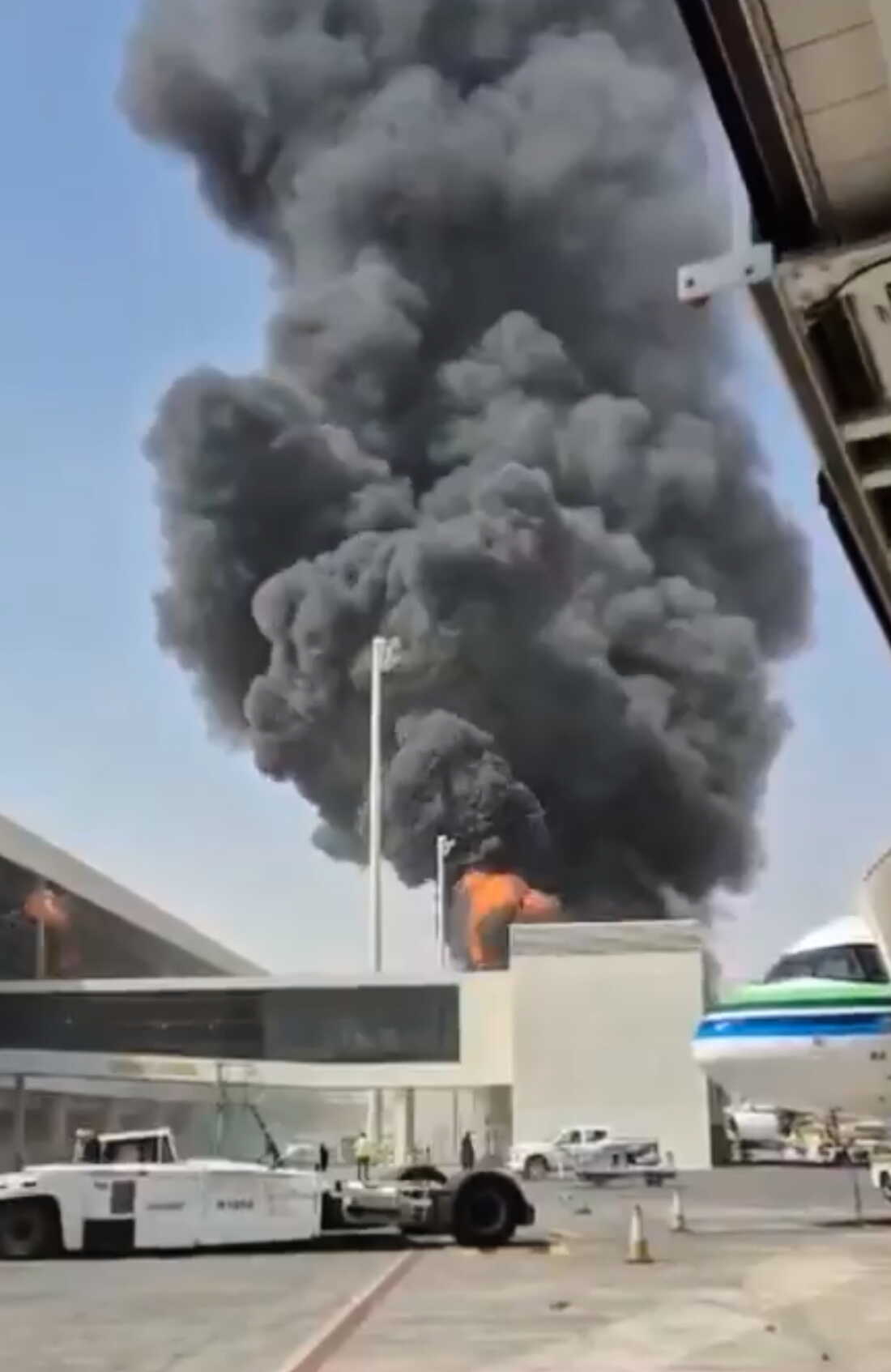
The international airport in Riyadh, Saudi Arabia, has come under attack again, intensifying tensions in the region. The ongoing conflict between the Saudi-led coalition and Tehran-backed Houthi rebels has seen a surge in assaults.
Missile Strikes and Government Response
Recent missile strikes targeted terminals 3 and 4 at King Khalid International Airport, injuring numerous individuals. President Donald Trump indicated a possible U.S. engagement, stating that a decision would be made promptly.
These attacks are part of an increase in hostilities following the Saudi-led coalition’s military offensive against the Houthis. The rebels, who initially claimed responsibility for older attacks on the airport, have not commented on the recent strikes but accused Saudi forces of hitting Sanaa International Airport.
Impact on Riyadh Airport Operations
The hostilities have severely affected airport operations, resulting in a suspension and an assessment of injury and damage extent. Authorities surrounding the airport have blocked entrances and reduced lighting, while flights are being rerouted. Nations like the U.S., UK, Germany, and others have cautioned their citizens against using the airport.
Market Reactions and Continued Energy Promotions
Amid the turmoil, Saudi Arabia, a leading oil producer, continues to prepare for a significant international energy conference in Riyadh, despite markets and the broader region feeling the impact of ongoing attacks.
Conflict Escalation in Yemen
In Yemen, fighting between Houthi rebels and Saudi-backed Yemeni forces has worsened. The Saudi-led coalition supports government efforts to counter recent Houthi territorial gains along the Red Sea. Rebels improving their surveillance of shipping routes create strategic challenges, particularly those near the Strait of Hormuz.
Although Houthis claim to target Saudi maritime vessels as retaliation to blockades, threats of wider hostilities persist. Their past attacks on ships were in solidarity with Palestinians during the Gaza conflict, though U.S. strikes limited these actions.
Saudi Arabia’s Defensive Measures
Saudi defenses are under pressure, with missile interceptor stocks running low. The country has solicited air defense support from France, Britain, Pakistan, and Egypt, as the U.S. faces shortages due to its conflict with Iran.
The U.S. is aiding Saudi Arabia with intelligence, target identification, and planning assistance against Houthi forces. Diplomatic talks with Oman emphasize efforts to de-escalate regional tensions.
Public Warning and Aviation Risks
Saudis have been warned against sharing information on missile and drone encounters, emphasizing legal consequences. Houthi threats to global airlines operating in Saudi airspace have led to widespread flight disruptions, with 291 cancellations in recent days.
Airlines such as Air India, FlyDubai, Lufthansa, and others have suspended operations to Saudi destinations. The European Union Aviation Safety Agency warns of risks to civil aircraft due to the Houthis’ reach into Saudi territories, creating potential for misidentification.
Recent attacks have caused damage to aircraft at Riyadh airport, highlighting the ongoing threat. Saudi national carrier reported damage to one plane, though no passengers were on board at the time.