
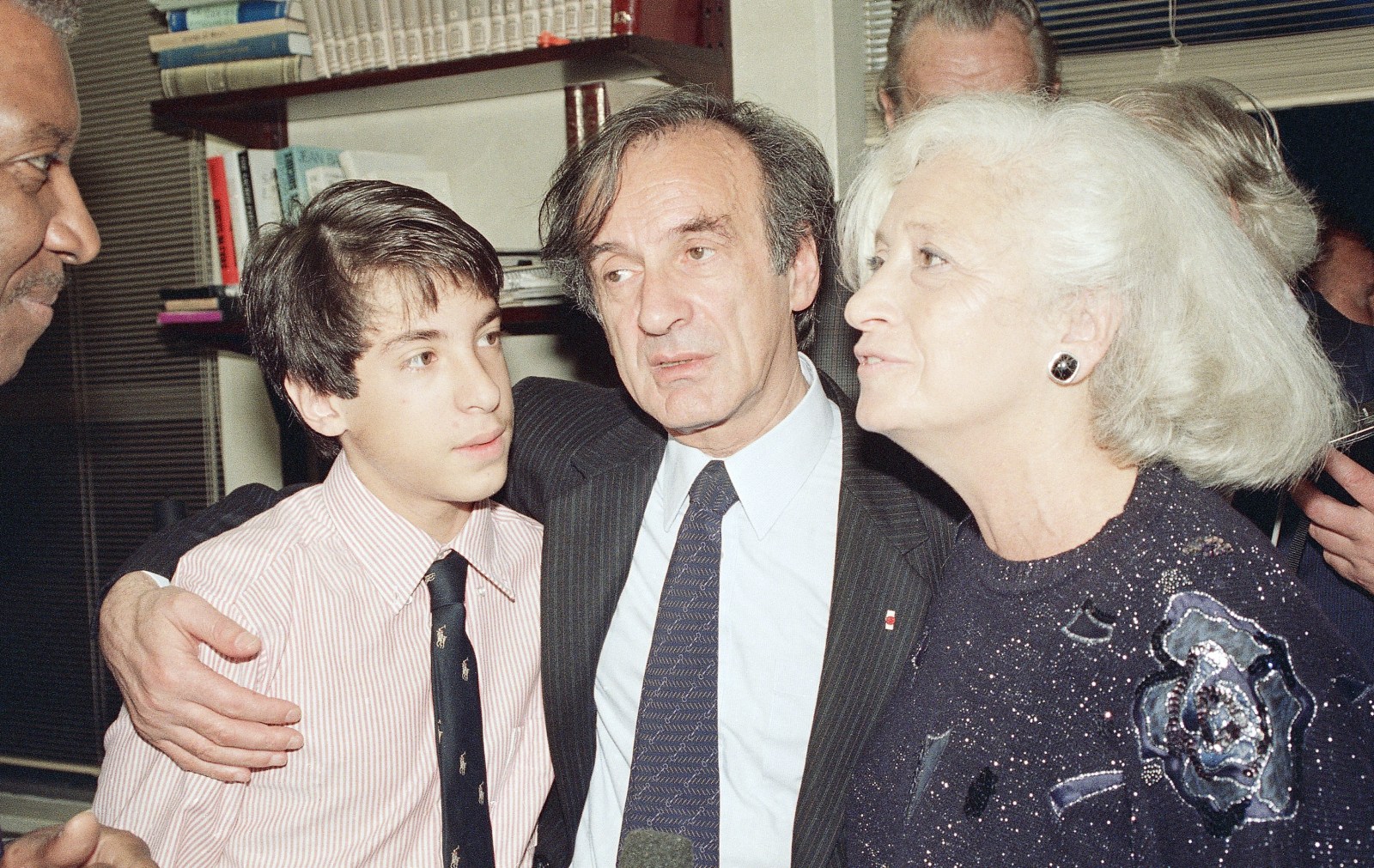
Elisha Wiesel, son of Holocaust survivor and author Elie Wiesel, identifies October 8 as a turning point in the battle against antisemitism in America. He described this day as the moment when allies began to see Jews as adversaries rather than victims. This view emerged during an interview with Newsweek before the 2026 Elie Wiesel Prize in Ethics Awards Ceremony in New York City. The ceremony encourages young people to engage with ethical questions, reflecting on themes such as silence, responsibility, and courage—principles that marked Elie Wiesel’s work.
This year’s event is particularly poignant. On October 7, 2023, Hamas militants launched a deadly attack in southern Israel, resulting in over 1,200 deaths and more than 200 hostages. Elisha Wiesel believes this tragedy and the subsequent response unveiled both a resurgence of antisemitism and a failure of organizations meant to guard against historical indifference.
Elisha Wiesel reflects on his father’s legacy, noting, “My father said antisemitism has never gone away. But I’ve never seen it like this.” He perceives a rise in antisemitic activities and questions the role educational initiatives have played in preventing such sentiments. Wiesel stated, “We in the Jewish community went all in with Holocaust education,” yet the intended empathy seems absent. He asserts, “They have empathy for the dead Jews, not the living ones.” October 8 is highlighted as a crucial day in his narrative.
Wiesel criticizes current accusations against Israel, citing his father’s 1978 writings that mention historical falsehoods tied to Jewish persecution. He points out new accusations emerging after October 7, such as claims of genocide, within the context of Israel’s military actions in Gaza, which reportedly resulted in over 74,000 casualties, according to the Associated Press.
He calls for bolder action from Jewish institutions, especially those dedicated to Holocaust memory. Wiesel urges them to take clear positions in ongoing discussions about Israel. He believes that understanding Jewish identity should transcend America’s racial categorizations. He acknowledges a divided political landscape among Jews, influenced by party affiliations overshadowing Jewish identity.
Wiesel shares concerns about college campuses, where pro-Palestinian movements made Jewish students feel insecure. He praises the Trump administration for addressing issues affecting Jewish students during such events.
Despite his worries, Wiesel finds some positive aspects in the aftermath of October 7. He senses that the day instilled a deeper sense of identity in many Jews. He recounts frantically contacting family in Israel on that day, recalling how stories of the Holocaust took on new relevance for his own children.
Wiesel hopes that, despite the surge in antisemitism following October 8, the Jewish community will emerge more united and resilient. “A whole new wave of activists has been created,” he concludes, expressing confidence in the new generation’s ability to contribute meaningfully.