
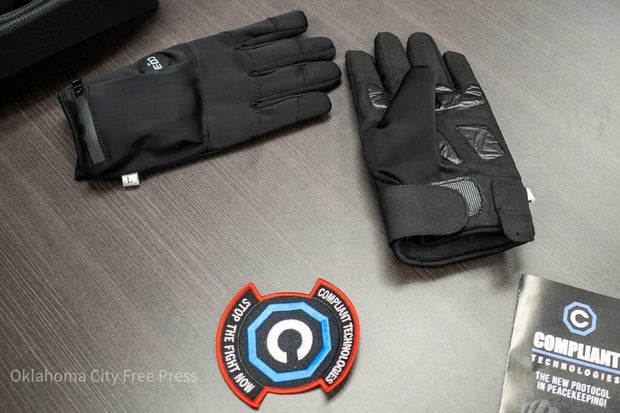
The acquisition of shock gloves by U.S. Immigration and Customs Enforcement (ICE) has sparked debate following the details of an Army study. The gloves produced intense pain during a military exercise, causing participants to cease resistance and fear further use. Despite these findings, ICE proceeded with a $16.7 million contract for 6,000 pairs, records from watchdog group American Oversight show.
Participants in a military exercise at Fort Leavenworth in 2024 described the shocks as reducing their willingness to resist. Even large participants yielded quickly due to the gloves’ effects. The study noted feelings of fatigue, soreness, and apprehension about additional shocks.
Safety Debate
ICE described the gloves as tools for distraction and de-escalation, arguing for enhanced officer safety and reduced need for lethal force. However, critics warn of potential misuse and excessive power, citing a history of ICE’s use of force. Compliant Technologies LLC, the manufacturer, advises against using the gloves on vulnerable groups.
The military assessment in ICE’s files shows that these gloves can cause ‘intense pain’ and force compliance, yet doesn’t establish their safety,stated Chioma Chukwu, director at American Oversight.
Effectiveness and Use
The Army’s study evaluated the gloves’ role in handling prisoners. They improved efficiency and reduced physical strain on guards during cell extractions and disturbances. Compliance was quicker than with other methods, though time for escorts was unaffected.
The gloves cause pain by overloading nerve endings rather than freezing the body like a Taser. Wet or oily skin intensified the shocks, sometimes causing lingering discomfort.
Calls for Clarity
Senator Catherine Cortez Masto and others demand ICE clarify its intentions for the gloves. An August letter seeking explanations about training and policies remains unanswered. Concerns persist over transparency and safe application.
The Department of Homeland Security defends the purchase, emphasizing officer safety. It criticized criticism as an attempt to hinder law enforcement. A spokesperson asserted technology use aligns with legal and policy standards, emphasizing officers’ de-escalation training.