
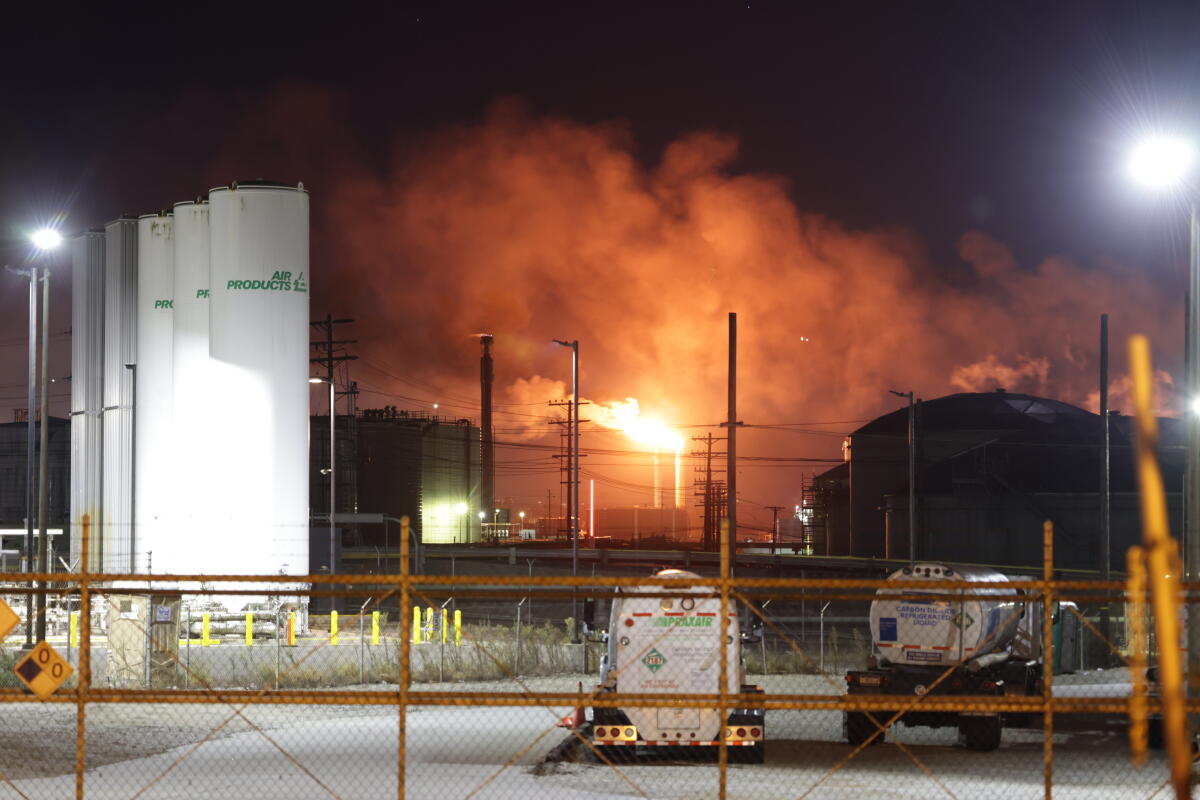
The Supreme Court begins its new term by addressing significant legal challenges. On Monday, the justices heard arguments concerning potential damages that the oil and gas industry might face due to climate change-linked events. These events include severe heat waves, wildfires, and droughts.
Climate Change Lawsuits
California, along with over twenty blue states and municipalities, has sued the five largest oil companies. They allege a long-term deception regarding the dangers posed by climate change. California Attorney General Rob Bonta accused these companies of knowing the risks for decades while misleading the public to boost profits.
The climate-change lawsuits mimic those filed against the tobacco and opioid industries. However, legal proceedings have stalled. Courts are undecided if these cases belong in federal or state courts. In 2018, Boulder County, Colorado had some success, with a state Supreme Court ruling allowing its suit to proceed as a public nuisance claim.
“Boulder, Colorado cannot make energy policy for the entire country,” argued the oil companies.
The Trump administration sided with the industry, arguing that inconsistent state regulations could unravel the national regulatory framework. The Supreme Court agreed to review if federal law preempts state law claims for interstate and international emissions.
Other High-Stakes Cases
This term, the court will also tackle immigration and gun-related cases. One immigration case challenges the Trump administration’s policy of denying bond hearings to undocumented migrants. Previously, bond hearings were offered to those detained for extended periods if they posed no danger. The administration plans to hold many indefinitely under the 1996 immigration law.
Another case concerns deporting individuals with removal orders to third countries. Critics regard this practice as inhumane, particularly for those sent to unsafe environments. While the administration claims it seeks assurances that deportees will be safe, it denies individual hearings to contest deportation destinations.
On gun rights, the Supreme Court will review laws in California and eleven other states restricting AR-15 rifle sales. These states introduced such bans following mass shootings. Meanwhile, gun rights advocates argue these firearms should be lawful under the 2nd Amendment. The court has not reviewed 2nd Amendment claims for a decade but will now hear challenges from cases in Cook County, Illinois, and Connecticut.
The outcomes of these cases may have wide-reaching implications across various sectors and states.