
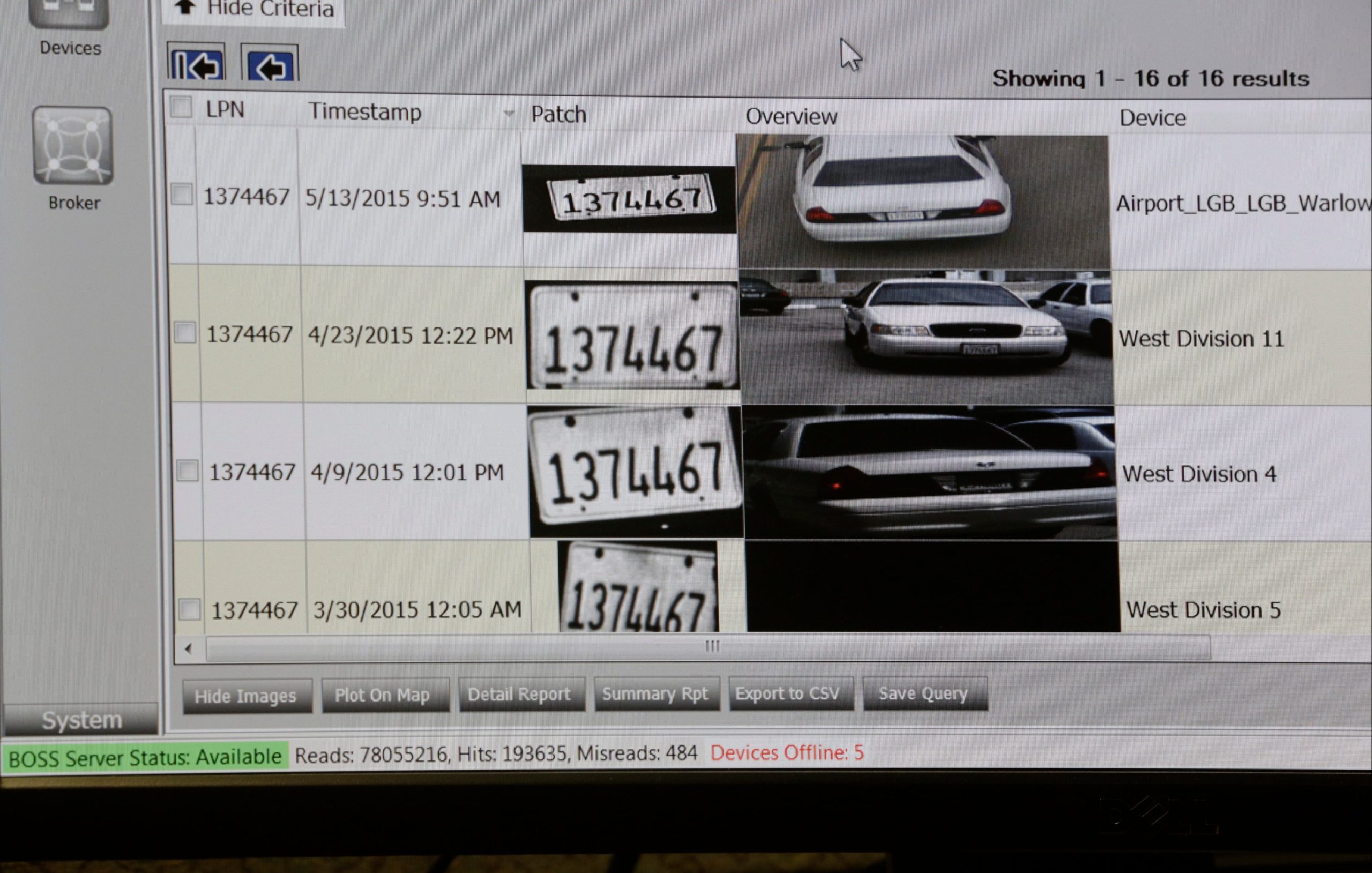
In recent months, devices such as Flock cameras and other automated license plate readers (ALPRs) have faced criticism across the nation. Flock may be a recognized name in ALPR technology, but it is not the sole player in the field. These devices generally collect similar data, including a vehicle’s license plate, make, model, and color.
Flock asserts that its readers can capture vehicles moving at speeds up to 100 mph, both day and night, from distances of up to 75 feet. This technology can also categorize vehicles as resident or non-resident, identify temporary or standard plates, and detect any damage or modifications, such as a broken taillight. While Flock cameras cannot determine if a vehicle is speeding, Genetec’s ALPR system offers estimated travel speed capabilities.
Motorola Solutions, representing about 5% of the ALPR locations tracked by DeFlock, claims its technology can identify vehicle accessories and unique features like damage or bumper stickers. Flock cameras take a snapshot of the rear of vehicles on public roads, capturing only those that pass directly in front of them, without tracking every vehicle or individual. People curious about nearby cameras can refer to DeFlock’s crowd-sourced map of ALPR locations in the U.S.
Camera locations come from volunteers and the OpenStreetMap community, not private companies or government agencies, according to DeFlock.
The U.S. Department of Homeland Security reports that ALPRs have been used for over two decades. These readers are commonly mounted on poles, streetlights, and overpasses, although mobile versions exist. They are capable of scanning license plates, comparing them with databases, and notifying law enforcement of vehicles of interest. Agencies can also review images to locate vehicles and share data with other organizations.
Several communities, including those in North Carolina, Indiana, Colorado, and Wisconsin, have decided to stop using ALPRs. The Florida Department of Transportation began removing cameras from state highways, and Texas withdrew state funding for the program due to privacy concerns, misuse allegations, and accusations of surveillance activities. Despite these issues, President Trump recently expressed support for ALPRs, noting their benefits for law enforcement while acknowledging the infringement concerns some people harbor.