
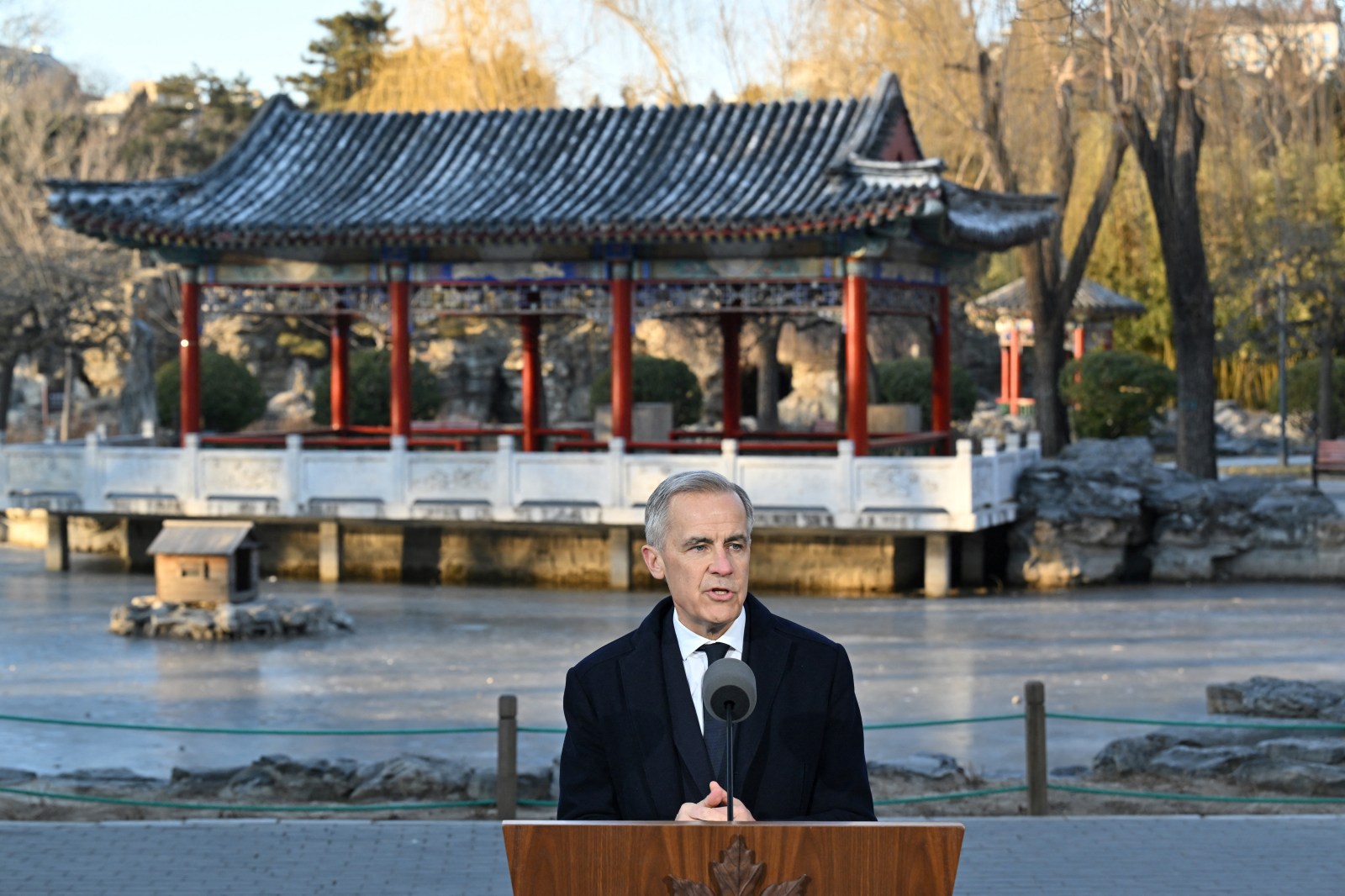
The Canadian government’s decision to significantly reduce tariffs on Chinese electric vehicles (EVs) is under scrutiny following revelations related to a policy proposal. Allegations have surfaced indicating that a businessman with ties to China’s United Front system submitted a proposal to reconsider the tariffs just days before an agreement was reached between Prime Minister Mark Carney and Beijing.
Canada agreed in January to permit the entry of 49,000 Chinese-made EVs with a reduced tariff of 6.1%, down from a previous 100% surtax imposed in 2024 under the administration of former Prime Minister Justin Trudeau. This announcement was part of a broader trade agreement made during Carney’s visit to China. The agreement also included tariff relief from China on Canadian agricultural exports, like canola oil.
However, this decision stands in contrast to the United States, which continues to restrict Chinese EVs, highlighting concerns over national security due to Chinese automotive technology in North America.
Policy Proposal and Influence Concerns
A Canadian source who provided a dossier to Newsweek stated that a policy paper calling for ‘a structural rethink’ of the 100% surtax on Chinese EVs was delivered to the Prime Minister’s Office and to members of Parliament before Carney’s Beijing trip. The individuals and group behind the proposal are not registered as lobbyists according to Canada’s lobby registry.
Newsweek sought confirmation and comments from the Prime Minister’s Office. The Privy Council Office redirected these inquiries to Global Affairs Canada, which has yet to respond.
Identified Businessman and United Front Links
The dossier identifies Shui Shousong, president of the Sino-Canada Entrepreneurs Association, or SinoCann, as the businessman involved. Shui, described in Chinese-language reports reviewed by Newsweek, was a member of a branch of the Chinese People’s Political Consultative Conference, tied to the United Front in Zhejiang province.
Western governments have increased scrutiny on United Front-linked organizations due to concerns they may further Beijing’s political and economic objectives abroad. Shui has hosted events attended by Canadian politicians and Chinese consular officials and launched a Canada-China EV association to foster cooperation.
North American Trade and Security Implications
These revelations come as Chinese EVs become a significant topic in North American trade and security policy. Washington continues to exclude Chinese EVs from the U.S. market, citing manufacturing strength and potential security vulnerabilities. China’s EV sector, led by companies like BYD, has been expanding overseas, which has raised concerns over industrial capacity, supply chains, and data security, particularly in Germany.
In September, U.S. Transportation Secretary Sean P. Duffy sent a letter to Ford Motor Company CEO Jim Farley, expressing concern over Ford’s partnerships with Chinese firms and technology. The U.S. Department of Transportation cited Ford’s battery technology licensing from China’s CATL and other supply chain issues related to China. Ford rejected the criticism and stated its commitment to advancing American innovation.